

Traveling to India with EF Ultimate Break
India: ancient, vibrant, and completely unforgettable

A land unlike any other: Nowhere else on Earth delivers this kind of sensory experience. The colors, the chaos, the food, the history, the spirituality—it all hits at once, and it hits hard. It doesn’t have the slogan, “Incredible India” for nothing!
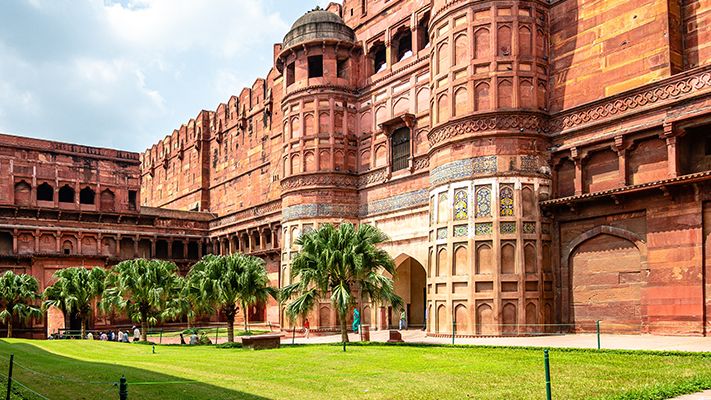
History and architecture at every turn: For thousands of years, empires from across Asia and Europe have strived to rule this land, each leaving their mark in the form of Muslim mosques, Mughal palaces, and garden tombs. From Amber Fort in Jaipur, the Red Fort in Delhi, to the Taj Mahal in Agra—the history and beauty of India is unmatched.
Spiritual depth: India is one of the world’s great spiritual destinations. Even a yoga lesson in a park overlooking the Taj Mahal—in the country where yoga originated—is a reminder of how deeply rooted this culture is in mindfulness, ritual, and meaning.
India at its most vivid: Nothing captures colorful India quite like Holi. The Holi festival is one of the most joyful celebrations on Earth—a riot of colored powder, water, music, and dancing that marks the triumph of good over evil and the arrival of spring.
Food culture that will change you: Indian vegetarian food is extraordinary, street food is irresistible, and the spices behind every dish tell their own story.

Language
Hindi is the most widely spoken language in India, and English is an official language used in government, business, and education. You’ll find English signage in most tourist areas, making India more navigable than many expect. That said, learning a few Hindi phrases shows respect and goes a long way.

Currency & tipping culture
India uses the Indian Rupee (₹). Cash is king in India—while credit cards are accepted in hotels, upscale restaurants, and larger shops—most markets, street food stalls, rickshaws, and smaller businesses are cash-only. ATMs are widely available in cities and tourist areas. Tipping is appreciated and makes a real difference to service workers.
Currency: Indian Rupee (₹). Coins: ₹1 to ₹20. Bills: ₹10, ₹20, ₹50, ₹100, ₹200, ₹500, ₹2000.
Credit cards are accepted in hotels, larger restaurants, and tourist shops, but carry cash for markets, street food, auto-rickshaws, and rural areas.
ATMs are common in cities—withdraw larger amounts to minimize fees.
Tipping tips:
- Restaurants: 10% is appreciated if service isn’t included. Upscale restaurants may add a service charge.
- Street food and small eateries: Not expected, but rounding up is always welcome.
- Taxis and auto-rickshaws: Not mandatory but rounding up or adding ₹20–50 is a kind gesture.
- Hotels: ₹50–100 per bag for porters; ₹100–200 per day for housekeeping.
- Local guides: ₹200–500 per person for day tours.
- Drivers: ₹100–300 per day for private drivers, which are common on longer itineraries.
Transportation
India’s transportation network is vast, varied, and an adventure in itself. From iconic train journeys to rickshaws weaving through city streets, getting around India is part of the experience.

India’s rail network is one of the largest in the world. The train ride from Agra to Ranthambore is a highlight in itself—comfortable, scenic, and a great way to cover ground.

The iconic three-wheeled auto-rickshaw is the best way to get around within cities—and one of the most fun. Always agree on a fare before getting in.
Uber and Ola operate in most major cities and are reliable, metered, and safe. They’re often cheaper than negotiating with local taxis.

Comfortable private coaches connect cities on longer legs of the journey—like the ride from Ranthambore to Jaipur.
For the Ranthambore National Park game drive, you’ll head out in a safari vehicle—the best way to cover ground quietly and spot wildlife at dawn.

Old towns and palace complexes are best explored on foot. Comfortable, closed-toe shoes are recommended for uneven terrain and temple visits.

India’s iconic destinations
From the Mughal grandeur of Delhi to the pink-walled streets of Jaipur, India’s Golden Triangle delivers unforgettable experiences at every turn.


Can’t-miss Indian experiences
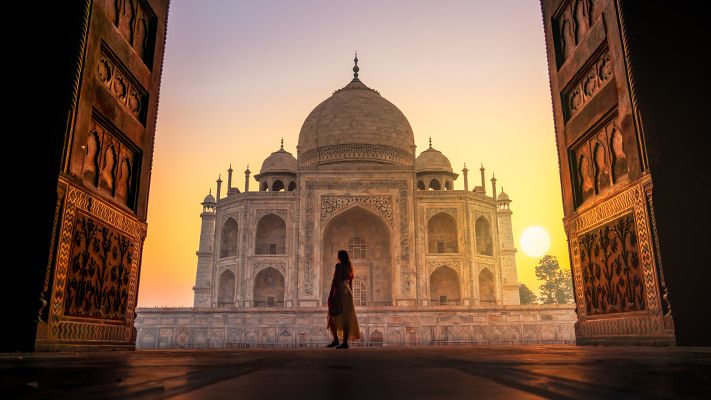
Witness the Taj Mahal at sunset
The Taj Mahal Agra is one of those rare places that actually lives up to the hype—and then some. Built in the 1600s by Emperor Shah Jahan as a monument to love, it’s a masterpiece of symmetry, white marble, and sheer ambition. See it at sunset, when the light turns the domes from white to gold to pink.

Ride through Old Delhi
Weaving the narrow lanes by rickshaw is chaotic, exhilarating, and unforgettable. Pass Jama Masjid, one of the largest mosques in India, and soak up the energy of one of the world’s great cities.

Visit the Red Fort
The Red Fort in Delhi is an ornate 400-year-old Mughal palace and one of India’s most significant historical sites. It’s the kind of place that makes you stop and recalibrate your sense of scale.

See Humayun’s Tomb
The first garden tomb in India and the direct architectural inspiration for the Taj Mahal. Humayun’s Tomb is stunning in its own right—and far less crowded than its more famous descendant.

Do morning yoga
India is the birthplace of yoga—the word itself originated here. A guided yoga lesson in a park with the Taj Mahal as your backdrop is the kind of experience that sounds almost too good to be true. It isn’t.

Go on a Bengal tiger safari
An early morning game drive through Ranthambore National Park is one of the greatest wildlife experiences in the world. The park is home to Bengal tigers, leopards, crocodiles, sloth bears, and more.

Celebrate Holi
The Holi festival in Jaipur is a full-body, full-soul celebration. Witness the Holika Dahan bonfire ceremony the night before, then throw colored powder, get drenched in water, and dance the day away.

Explore Jaipur’s palaces
The Hawa Mahal—“Palace of the Breeze”—has a honeycomb façade to keep royals cool while letting them observe street life. And the Amber Fort, a 1,000+ year-old fortress over the desert, is reached by 4x4. So cool!

Cook with locals
Learn your dals from your chaats, try on a sari, and prep an authentic meal at a home-hosted dinner in Agra with a cooking demonstration from an aristocratic Jaipur family.
What’s the weather like in Thailand?

October–March
This is the best time to visit India for the Golden Triangle and the Taj Mahal when days are warm, nights are cool, and the desert landscapes are at their most beautiful. The Diwali festival also falls within this time frame (October or November).

February–March
If your India bucket list includes the Holi festival—and it should—February or March is your window. The weather is warm but not scorching, and the energy across the country is electric. Note: Holi festival dates shift slightly each year based on the lunar calendar.

September–October
Just after the India monsoon season, the landscape is lush and green, crowds are thinner, and prices are lower. A good option for travelers who want more space at major sites like the Taj Mahal and Amber Fort.
When is the cheapest time to visit India?
If you’re looking to experience India without peak-season prices, timing makes all the difference. Here’s when you’ll find the best value.
What to eat in India?
Indian food culture is one of the most complex, diverse, and delicious on the planet. Food here is an act of hospitality and storytelling. Vegetarians rejoice as India has more vegetarians than any other country in the world, and the cuisine reflects that creativity.
Safety in India
India is a safe destination for millions of travelers every year, but it does require more preparation and awareness than some other destinations. Going into it informed makes all the difference.
Violent crime against tourists is rare. However, petty theft and opportunistic trickery do happen—especially in busy tourist areas. Staying alert keeps most issues at bay but keep an eye out for common scams including fake tour guides, overpriced rickshaws, and “closed attraction” schemes where a stranger offers to take you somewhere “better.”
It’s important to also take cultural etiquette seriously. Dress modestly by covering shoulders and knees when visiting temples, mosques, and religious sites—including Jama Masjid and Humayun’s Tomb. Remove shoes before entering places of worship, use your right hand for eating and giving or receiving items, avoid public displays of affection, and ask permission before photographing people.
Lastly, unfortunately Delhi belly is a real risk. So, stick to sealed bottled water and avoid ice in drinks as tap water is not safe to drink.
Your safety is our top priority
Traveling with EF Ultimate Break means you’re not exploring India alone—you’ve got a full support system making sure you feel comfortable, informed, and protected every step of the way.
Traveler photos from India
India travel reviews
Our travelers love visiting India, and they aren’t afraid to tell us.


