

Traveling to Kenya with EF Ultimate Break
Kenya is a dream come true
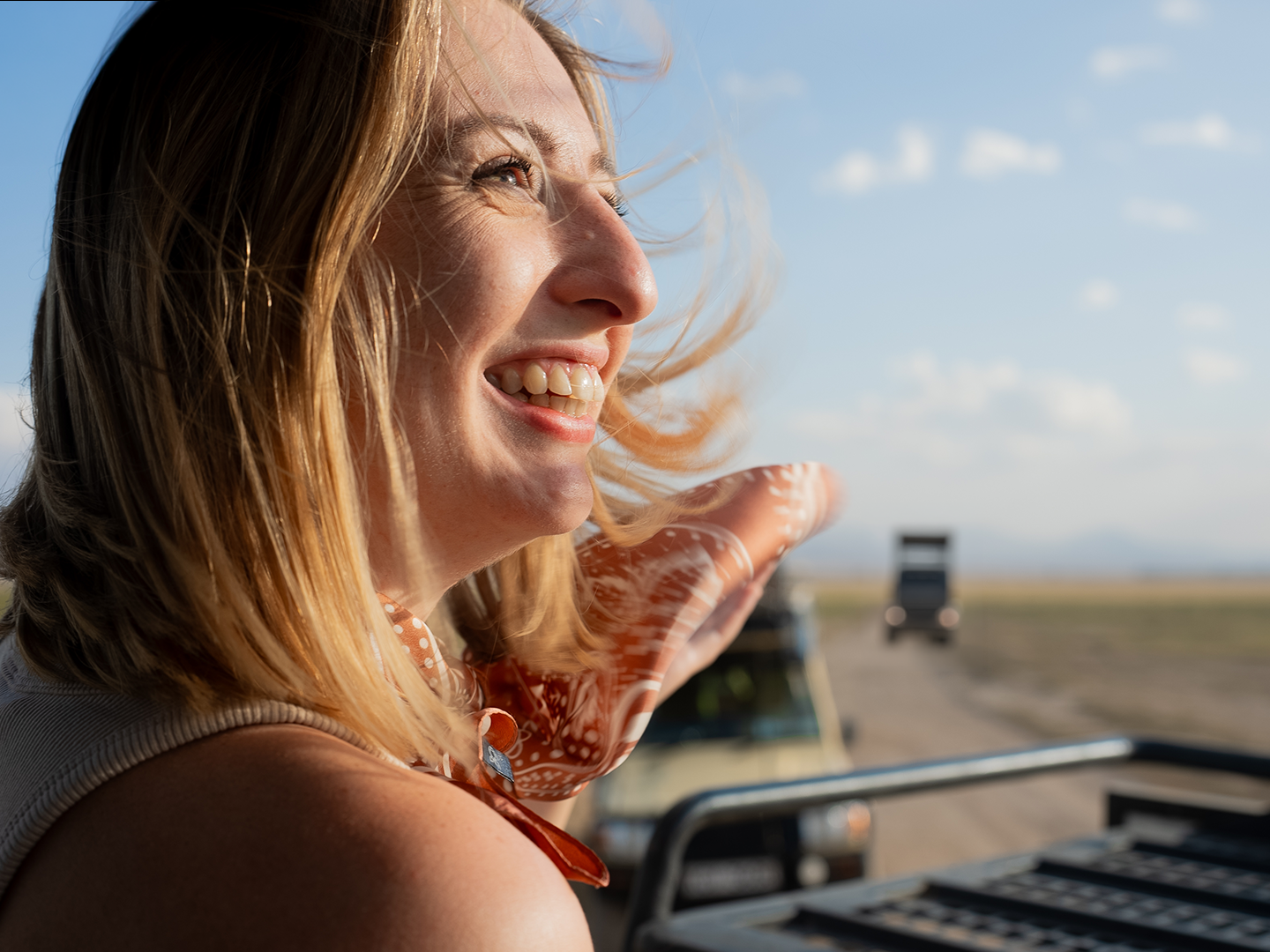
- See the Big Five in the wild: Lions, elephants, leopards, rhinos, and Cape buffalos—Kenya’s national parks are home to all of them, and EF Ultimate Break gets you up close to every one.
- Amboseli is the best place elephant spot: Full stop. Watching a herd move freely across the plains with Mount Kilimanjaro towering behind them is the kind of moment you’ll be talking about for years.
- The Maasai Mara is in unmatched: Whether you’re here during the Great Migration or not, the sheer density of wildlife—big cats especially—makes every game drive feel like a nature documentary you’re actually inside.
- Culture as rich as the landscape: A visit to a Maasai village isn’t a tourist checkbox, it’s a window into one of East Africa’s most iconic communities, their traditions, and their way of life.
- We handle everything: Handpicked accommodations, expert game drives, a Tour Director with you every step of the way, and 24/7 support. All you have to do is show up.

Language
Kenya has two official languages: Swahili (Kiswahili) and English. English is widely spoken in cities, tourist areas, hotels, and restaurants, so you’ll rarely find yourself lost in translation. Swahili, however, is the language of everyday life, and learning even a handful of phrases will get you genuine smiles and a warmer welcome wherever you go.

Currency & tipping culture
Kenya uses the Kenyan Shilling (KES). US dollars are widely accepted at lodges, tour operators, and many tourist-facing businesses, which makes things convenient for American travelers. Credit cards are accepted at larger hotels and restaurants in Nairobi, but cash is king in smaller towns, markets, and rural areas. ATMs are available in cities and major towns.
Currency: Kenyan Shilling (KES)
USD widely accepted at lodges and tourist businesses
Credit cards: accepted at larger establishments in Nairobi
Cash: recommended for markets, smaller towns, and tips
ATMs: available in cities; less reliable in rural areas
Tipping guidelines:
- Safari Guides: $10–$20 USD per person, per day; these guides work hard and tips are a meaningful part of their income.
- Camp/lodge staff: $5–$10 USD per person, per day (often pooled among the team).
- Restaurants: 10% is standard if service isn’t already included.
- Drivers: $5–$10 USD per day is appreciated.
- Hotel Porters: $1–$2 USD per bag.
Transportation
Kenya is a big country, and getting between destinations requires some planning, which is exactly why having EF Ultimate Break handle the logistics is such a relief.

Bolt and Little Cab are the most reliable ride-hailing apps. Agree on a fare before getting into an unmarked taxi.

Domestic flights connect Nairobi to Mombasa, the Mara, and other destinations quickly. Overland transfers are also common and offer great scenery.

Head into the bush in 4x4 game drive vehicles with pop-up roofs for optimal wildlife viewing. Everything is arranged through EF Ultimate Break.

The local minibus network is cheap and ubiquitous, but can be crowded and unpredictable. Best experienced with a local guide.

Kenya’s iconic destinations
Kenya has no shortage of spots that will permanently alter your brain chemistry.


Can’t-miss Kenyan experiences

Game drive in Amboseli National Park
Cover an incredibly diverse ecosystem: zebras, wildebeest, gazelles, and giraffes are all common sightings, but the elephants are the real stars of the show.

Explore Nairobi’s markets
Start at one of the city’s local markets, where stalls are piled high with avocados the size of your fist, ripe mangoes, and freshly picked greens you’ve probably never heard of.

Visit KOBE Tough
Meet the Maasai artisans behind some of the most beautiful beadwork you’ll ever see, hear their stories, learn about the craft, and leave with something way cooler than a fridge magnet.

Explore the Great Rift Valley
Ancient and full of wildlife, including flamingos that line the shores of Lake Naivasha. Keep an eye out for hippos; they can hold their breath for five minutes, so patience pays off.

Game drive in Maasai Mara
This nationa reserve is big cat country. While Amboseli is all about elephants, here you’re on the hunt for lions, cheetahs, and the notoriously elusive leopard.

Safari via hot air balloon
Float above the Maasai Mara at sunrise in a hot air balloon and watch the plains come to life below you.

Visit a Maasai village
Spend time with the Maasai community and get a real look at their traditions, their homes, and their way of life.
What’s the weather like in Kenya?

July–September
This is when the Great Migration moves through the Maasai Mara, bringing over a million wildebeest, zebras, and gazelles with it. Wildlife is abundant, the weather is dry, and game drives are at their most rewarding. It’s the busiest and most expensive time to visit, so book early.

October–November
A great shoulder season. The short rains arrive in late October but are usually brief, and wildlife viewing remains excellent. Crowds thin out compared to peak season, and prices start to come down. A solid window if you want the experience without the peak-season rush.

January–February
The short dry season is one of the best-kept secrets for Kenya travel. Crowds are lighter, prices are lower, and the landscape is lush from the short rains. It’s also calving season in the Mara, which means predator activity is high—great news for game drives.
When is the cheapest time to visit Kenya?
If you want the Kenya experience without the peak-season price tag, you’ve got a few good options.
What to eat in Kenya?
Kenyan food is hearty, flavorful, and deeply tied to the land. The food scene reflects its diverse cultural influences—Indian, Arab, and British flavors have all left their mark. Nairobi, meanwhile, has a restaurant scene that can hold its own against any major city.
Safety in Kenya

Kenya is a well-established destination that welcomes millions of visitors every year. Like anywhere, it’s worth being aware of your surroundings, especially in busy urban areas like Nairobi, where petty theft can occur in crowded spots. That said, tourist areas are generally well-monitored, and most travelers have smooth, incident-free trips.
A few practical things to keep in mind:
Visting Kenya requires a visa for U.S. citizens. Check entry requirements before you go or give us a call at 800-766-2645 with questions.
Register your trip with your country’s embassy or consulate before you go.
Keep copies of your passport and important documents in a separate bag.
Use ATMs inside banks or hotels rather than standalone machines on the street.
Drink bottled or filtered water—tap water is not recommended for travelers.
Apply sunscreen and insect repellent daily, especially in safari areas.
Follow your Tour Director’s guidance on areas to explore independently.
Your safety is our top priority
Traveling with EF Ultimate Break means you’re not exploring Kenya alone—you’ve got a full support system making sure you feel comfortable, informed, and protected every step of the way.
Traveler photos from Kenya
Kenya travel reviews
Our travelers love visiting Kenya, and they aren’t afraid to tell us.


)
)


)
