The Ultimate Gen-Z Guide to Japan
Where to go, what to wear, what to eat, and what to do in Japan from a Gen Z-er who lived there for 2 years.

So, you’re finally ready to hop on that 16-hour flight, down numerous cups of matcha, and live out your Studio Ghibli-meets-Blade Runner-dream fantasy? You’ve come to the right place. Japan isn’t just a “bucket list” destination—it’s the main character of travel. With its perfect chaos of neon lights, centuries-old temples, kawaii cafes, and the best convenience store snacks on earth, there’s literally zero wrong way to do it.
But just to make sure you're getting the most out of your stay, here's your no-BS, Gen Z-approved guide (bookmark this for later!).

Tokyo: the NYC of Japan
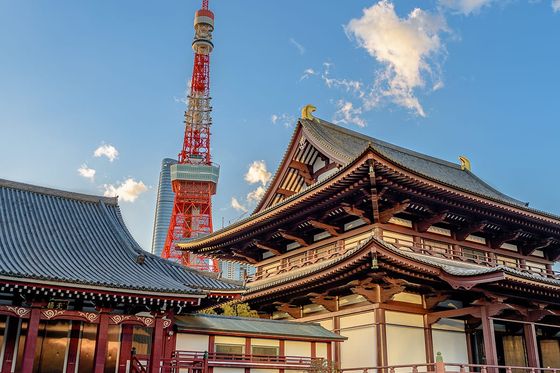
Tokyo is probably the area of Japan you’re most familiar with and for good reason. It’s the hub of Japan’s most traditional and famous dishes, beautiful and diverse temples (one of them including a shrine dedicated to just cats), creative museums, jumping 24/7 nightlife, and all around the ultimate Japan experience rolled into one city.
Think of it as your home base and starting point for your trip. It’s the easiest city to fly into and navigate solely by walking and subway transportation. While you’re there, be sure to hit up these neighborhoods...
Akihabara, the pop culture hot spot. Anime, manga, figurines you can’t get in the U.S., and maid cafés if you’re into quirky cultural experiences. Even if you’re not an anime fan, the sheer level of merch is wild. Oh, and yes Sonny Angels and Labubus are an easy find.
Shimokitazawa, the Brooklyn of Tokyo. Endless thrift shops, hipster coffee spots, and reworked Japanese streetwear you won’t find anywhere else.
Harajuku, a pastel paradise. If pastel rainbow streetwear and character cafés are your vibe, this is heaven. It is THE spot for ultra feminine attire and one-of-a-kind style.
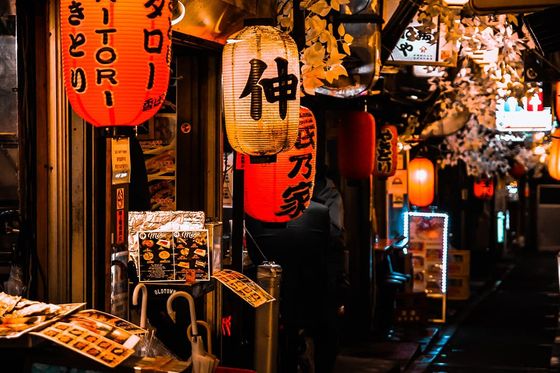
Shinjuku, the party place. Most people spend their time bar hopping in Shibuya, but Shinjuku is the true star of the night. With rows of old timey bars in Omoide Yokocho alley, and themed clubs, this spot truly comes alive.
Shin-Okubo, aka K-Town. Not necessarily the most Japanese experience, however, their main strip is LOADED with amazing food options and cutesy little shops for all the bits, bobs, and doodads.
Ginza, the top-tier luxury spot. Personally, I didn’t spend too much time here since it is the more luxurious, high-end shopping area. However, if you’re in the market for designer goods, this is the place to go since it is tax free.
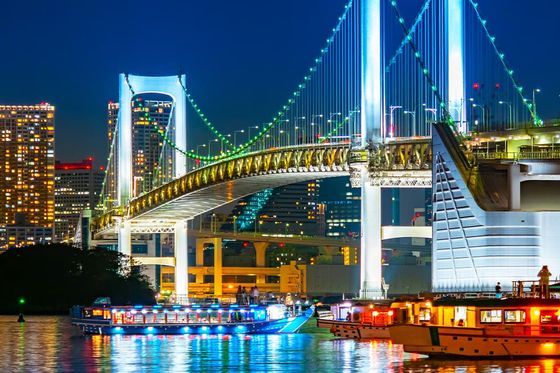
Odaiba, a different side of Tokyo. A hidden gem not many people visit, but it offers a small “beach” area by the bay that’s perfect for sunny days. Plus, TeamLab digital, interactive museum is there to help you get the most aesthetic IG pics.
Insider tip: All these places are connected by the JR Yamanote Line which runs in a circle, so you can hit multiple neighborhoods in one day without feeling like you’re crossing the entire country.

Hakone: the spa day you didn’t know you needed
Hakone is basically the weekend getaway spot for Tokyo locals when they want to touch grass. It has everything from beautiful forest hikes to onsen (hot spring) seshes, picturesque shrines, and quaint towns that make you stop and smell the fresh manju (small buns filled with red bean paste, that are literally on every street corner). Here are some things you just can’t miss...
Owakudani Valley is a whole experience. Take a cable car up the side of an active volcano and watch as natural steam emits from the crater. Once at the top, you'll get the opportunity to try their famous black eggs that have been boiled in volcanic soil. Japanese folklore states that eating one egg adds seven years to your life, just don’t eat more than three as they also believe that the number four is bad luck.
Peace Torii is a serene slice of Japan, red gate sits out in the middle of Lake Ashinoko and at the base of a hill housing Hakone Shrine. As you walk among the trees and along the water you will feel immediate peace and if you’re lucky you’ll get a glimpse of Mt. Fuji in the background. Note: this is a hot spot for pictures so there may be a line for the gate.
A ryokan stay is THE traditional Japanese inn experience complete with tatami mat floors and walls, kaiseki dinners, and a yukata robe to lounge in. Although historically, these were used to house all sorts of people from pilgrims to samurai to merchants, you will feel like absolute royalty.
Insider tip: If Hakone feels overcrowded, swap it for Kusatsu. Smaller, more walkable, and just as charming with steamy hot springs and fewer tourists.

Kyoto: a step back in time
Kyoto is where Japan keeps its history, culture, and quiet charm alive. As you travel from Tokyo to Kyoto you will see the immediate change in vibes as if you truly did time travel. Pro tip: sit on the right side of the shinkansen (bullet train) for a view of Mt. Fuji. This city served as the capital of Japan for over a thousand years and is known as the Imperial Court’s Golden Age. Although the capital was moved to Tokyo in 1868, Kyoto is still considered the heart of Japan with its preservation of the geisha art form, samurai history, and over 2,000 temples and shrines. So much to see and do, so here’s where to start...
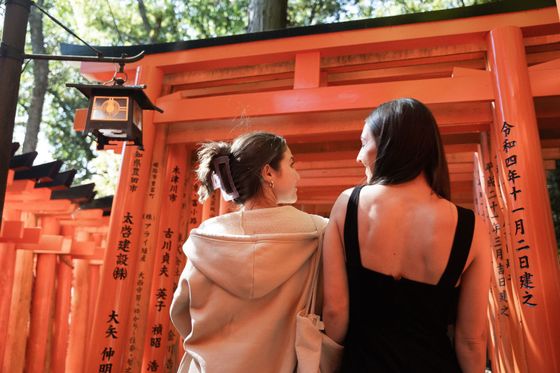
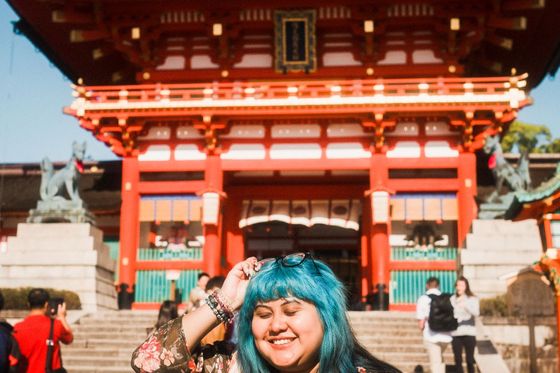
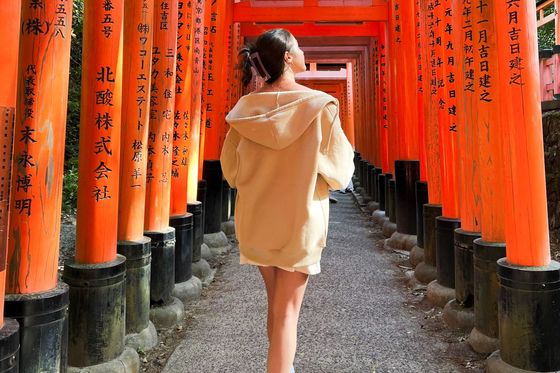
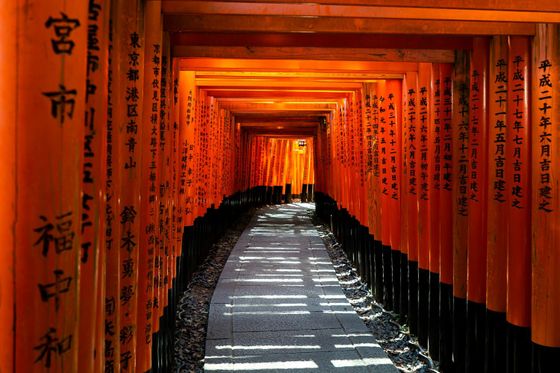
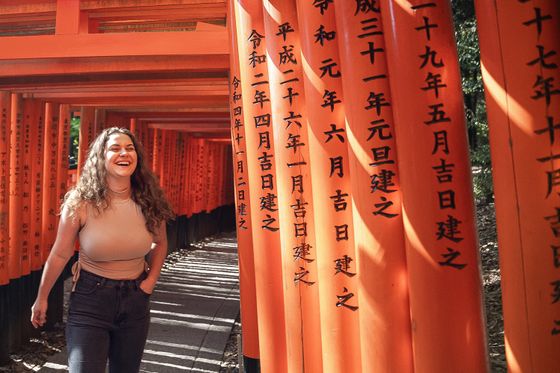
Fushimi Inari Taisha is a shrine dedicated to the deity of rice and is built on a small mountain with around 10,000 red torii gates leading to the top and back down. You’ll notice the many statues and motifs of foxes as they were believed to be the messengers of the god. Pro tip: go before sunrise to beat the crowds but never go at night as locals believe that Fushimi Inari holds many spirits that they wish to respect.
Experience a traditional tea ceremony but forget everything you’ve seen from LA influencers on TikTok. This is how you prepare matcha the authentic way. Learn proper measurements, whisk positions, and wagashi candy pairings, while sitting in a tatami room with a true geisha in the making, AKA a maiko.
Trek up to Kiyomizu-dera. This gorgeous temple sits on a mountain that overlooks all of Kyoto. You’ll walk cute cobblestone streets that have been frozen in time since the Heian Period (the 800s), pass the best local shops, and have a chance to spot real geisha shuffling between teahouses on your way to the top.
Stroll through the Bamboo Forest. You’ve never seen bamboo this tall. These shoots tower over you as you walk winding paths through the forest. As you enter, you’ll immediately notice just how quiet the world can be.
Insider tip: Kyoto is super walkable, but buses get you to more remote temples. Or rent a bike for the day and explore side streets for hidden shrines.

Nara: your Steve Irwin moment
The rumors are true, deer are everywhere. According to Shinto belief, a deity rode to Nara on the back of a deer marking the Divine Arrival. From that point on, they were revered as sacred messengers of the gods and are highly respected and protected by Japanese locals to this day. Make it a complete day trip with these to-dos...
Visit Todai-ji Temple. There are multiple temples around Nara and luckily it is a very small and walkable town. The most notable is Todai-ji which houses a giant Buddha statue inside a huge wooden hall. And I mean, “hurt your neck looking up” type of huge.
Have close (and friendly) encounters with deer. As you walk around, you’ll notice locals feeding the deer senbei (rice crackers). This is a popular tradition in Japanese culture as an offering to the gods and the deer have even learned to bow in appreciation of the offering. So, you’ll see many human-deer bowing showdowns.
Insider tip: Nara is very small so make it a half-day trip from Kyoto or Osaka (about an hour train ride). Go in the morning before the deer get too full to care about you.

Osaka: the kitchen of Japan
If Tokyo is the city that never sleeps, Osaka is the city that never stops eating. Any Japanese trend or street food you’ve ever heard of lives here. Historically, this city was a popular trading hub known for its access to fresh seafood and to this day, it has continued to expand its palette more and more.
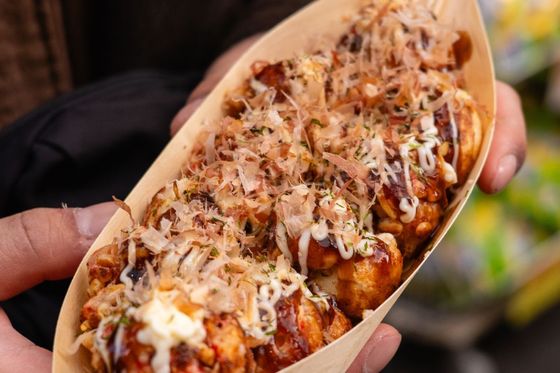
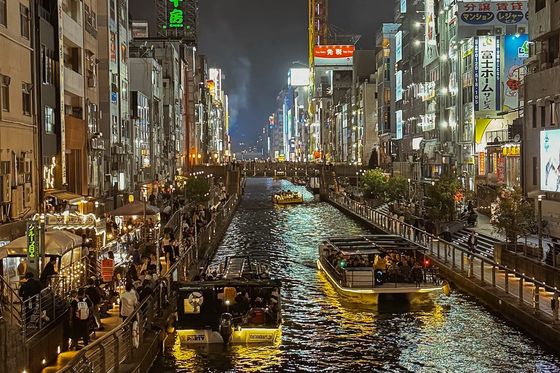
Get a taste by spending time in Dotonbori. Truly the ultimate Osaka experience is within these streets. Walk the vibrant lanes of giant hyper-realistic food signs, aromas of warm takoyaki, okonomiyaki, yakitori, and 10,000 other snacks. You’ll notice the vibe here is much different than Tokyo, the people are a little more casual and rugged, so make the most of your time and chat up the locals as you gorge twice your body weights worth of food.
Insider tip: Osaka food portions are bigger than Tokyo’s—pace yourself if you want to try everything.

Pack like a pro
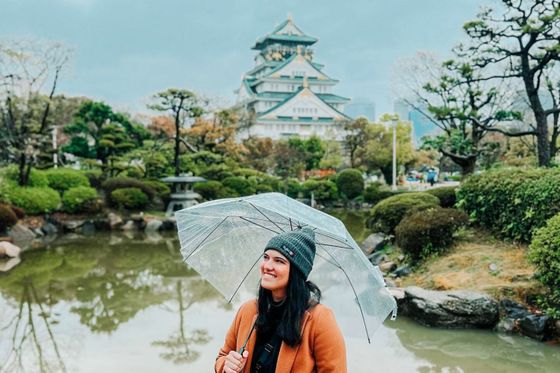
Clear umbrella: Monsoons begin without warning and streets are often tightly packed, so locals swear by these
Portable fan: June–August humidity is the WORST so pack one or wait until you’re in Japan to get one at Don Quijote store. Trust me, you’ll see them everywhere.
Modest, lightweight fits: Japan is trendy but not overly revealing. They love to layer regardless of the weather so pack light items you can easily throw on top of each other.
Extra suitcase: A must for snacks from 7-Eleven, Don Quijote, or really any other souvenir. If you run out of space, you can also easily buy another small bag at Don Quijote.
Easy walking shoes: Expect 20k+ steps a day. Enough said.
“The cool girl (or guy)” souvenirs
Shrine amulets or animal figurines: As you stroll through temples be sure to buy an amulet at the shrine office that often looks like a small keychain pouch that often represents good luck or safety (translation given) or buy an animal figurine (depending on the shrine) that comes with a fortune. This cute little gift is usually around 1-5yen
Japan edition Nike/Adidas: Their clothes and shoes are SICK. You can't find these streetstyle pieces anywhere else, especially for this tax-free price. Onitsuka Tiger shoes are also popping off right now.
Reworked thrift shop finds: Reworked clothing from a thrift store in Shimokitazawa is a must. A lot of clothes are similar to US stores however some independent artists customize the clothing to have that Japanese flair.
Muji notebook with travel stamps: Go to Muji stationary store and buy a notebook (can customize it for free in Tokyo), then head to some shrines and pay 5 yen to get a stamp from the shrine office and they’ll place it in your booklet. Collect different stamps from shrines to show where in Japan you traveled—like a passport.
Can't miss bites and sips
Literally anything from a conbini: Conbini aka convenience stores are everywhere. You have a choice between Lawson, Family Mart, and 7 Eleven. Unlike the US, locals do eat many meals here and yes, you can trust gas station sushi in Japan. Pro tip: get a fresh and hot Family Mart fried chicken (near the register) and sandwich it between a packaged pancake in the baked goods section. 1000/10. Or grab a Coolish ice cream pouch at 7 Eleven and pour that into a black iced coffee Thank me later.
Seasonal vending machine goods: Fun fact, there's about one vending machine for every 23 people in Japan. That's a lot. And these aren't average machines. In the summer, you can find ice cold electrolyte drinks and slushy-like beverages to cool you down. Then in the winter, you can find HOT teas and even soups in a can. Be sure to try the corn soup, it is the perfect snack between meals.
Ramen and soba: Obviously ramen is a must to have in Japan and you really can't go wrong with trying them all. There are so many different kinds and flavors, however, my all-time ramen recommendation is a little spot in Ikebukuro, Tokyo called "Kikanbo". Get the special ramen and you'll be in heaven. Their pork belly is chef's kiss. If you're visiting in summer, cold soba is a treat with its unique texture and cold dipping broth. You can get a refreshing bowl literally anywhere in Kyoto.
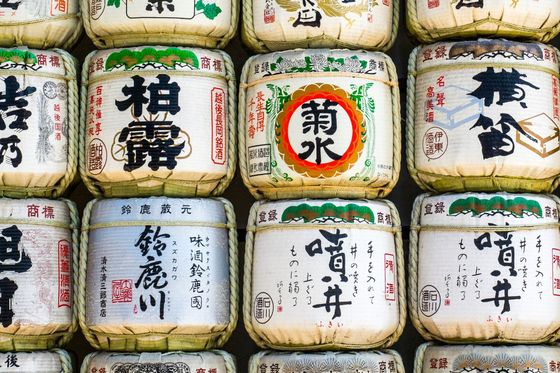
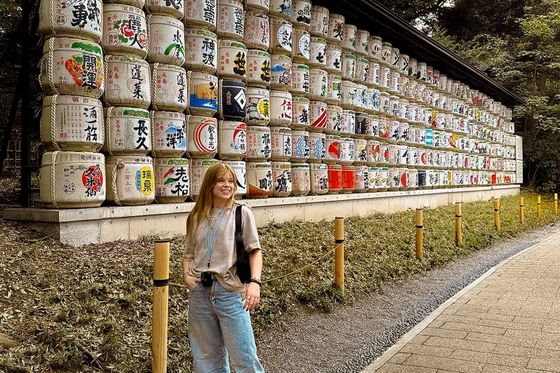
Know your liquors: You'll notice that alcohol is very cheap in Japan and you can take it anywhere as there are no laws against drinking in the streets. So if you want to indulge in the local bevvys, here are some key ones to remember: Sake, or Nihon-shu, is a rice wine often enjoyed at dinner or izakayas in small shot-like cups. Highball is a popular whiskey soda that is often drank with friends at a bar. Umeshu is a sweet plum wine that is often sipped in a small whiskey glass. It is VERY sweet and delectable. Lastly, there are Sours which are like a seltzer but STRONG (Strong is also the name of it in the convenience stores). Beware and drink responsibly.
Season forecast
Spring (Mar–May): Cherry blossoms. Busy, but magical.
Summer (Jun–Aug): Humid AF. Festivals, fireworks, beaches—summer.
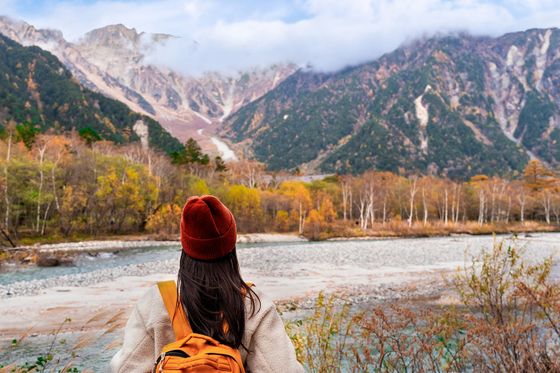
Fall (Sep–Nov): Momiji (fall leaves)—just as gorgeous as spring, but way less tourists.
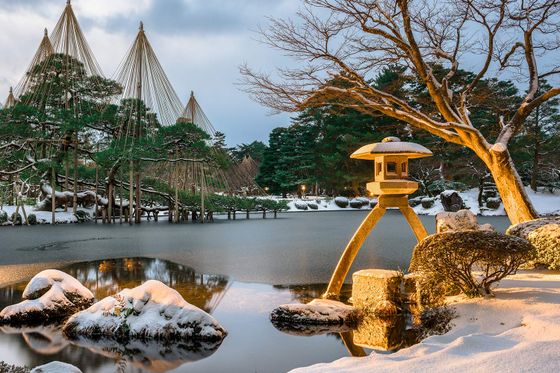
Winter (Dec–Feb): Snow, holiday illuminations, and cozy hot springs.
Book. The. Trip!
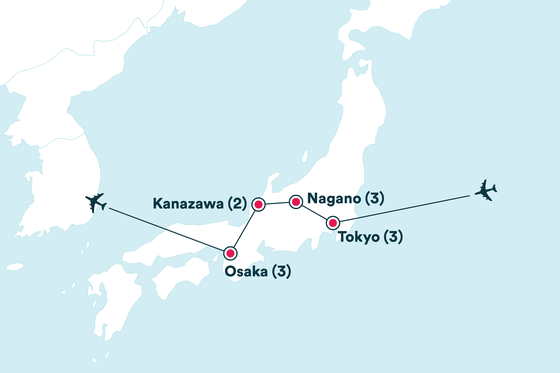
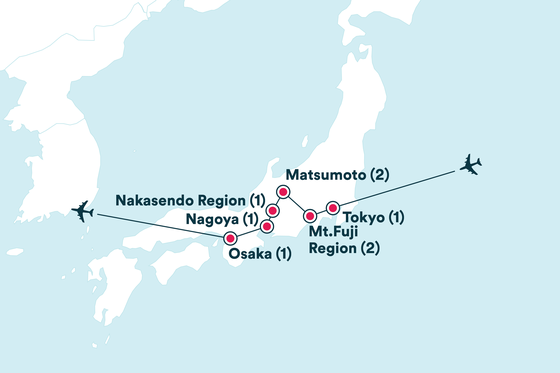
Feel ready to take on Japan? We’ve got trips that squeeze it all in 9 days, trips that go the extra mile within 14 days, and many more to fit your preference.
Whether you’re chasing neon nights in Tokyo, memorable moments in Kyoto, or deer that bow back in Nara, Japan is one of those places that truly is unlike any other. You will get hit with culture shock in the most exciting way possible. Pack smart, eat everything, keep an open mind, and say yes to experiences you didn’t even know existed. Trust me—this trip won’t just check a box on your bucket list, it’ll completely rewrite it.