)
Traveling to Costa Rica with EF Ultimate Break
Costa Rica: Where adventure meets pura vida
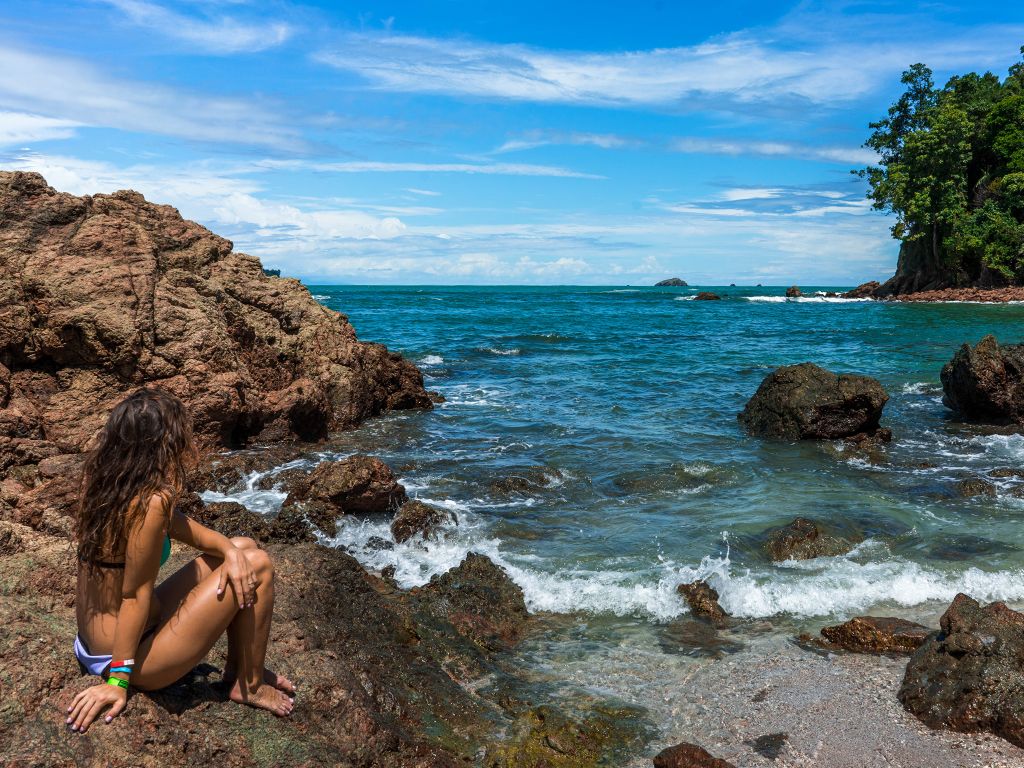
Nature’s playground: Biodiversity here is off the charts—this tiny country holds 5% of the world’s species. From Costa Rican rainforests to cloud forests, there’s endless opportunities to spot wildlife.
Adventure central: Zip lining through jungles, white water rafting down rushing rivers, surfing Costa Rica’s Pacific coast, and hiking hanging bridges over misty valleys—adrenaline junkies, this one’s for you.
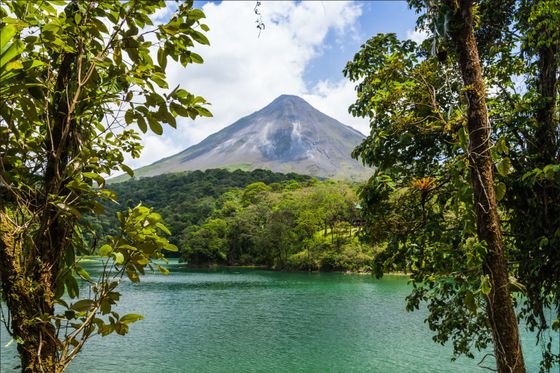
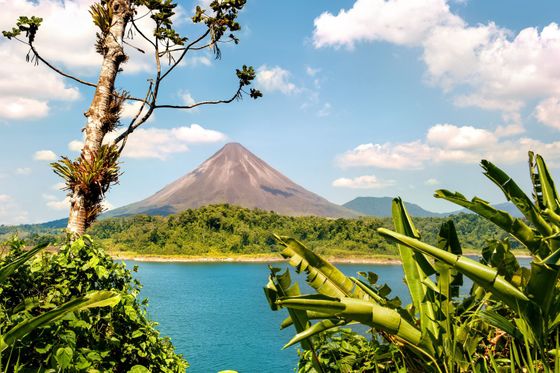
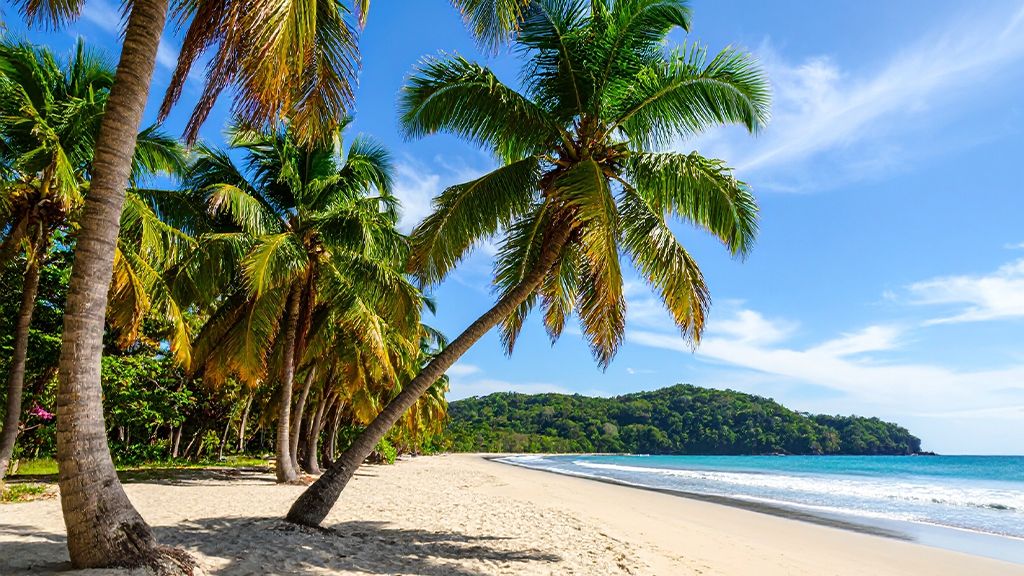
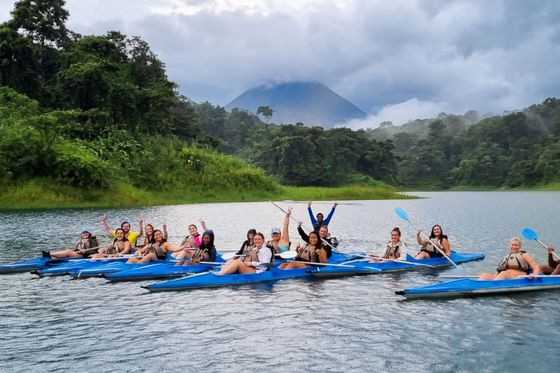
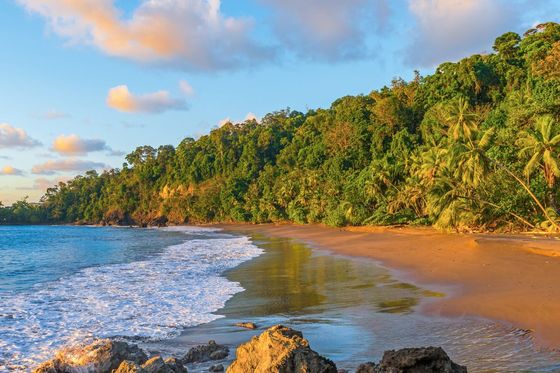
Beach bliss meets volcano views: Costa Rica beaches range from golden-sand surf towns to hidden Caribbean coves. And yes, you can soak in Arenal hot springs with a volcano backdrop.
Eco-conscious travel: Costa Rica eco-tourism leads the way globally. It runs on renewable energy, protects over 25% of its land, and makes sustainable travel feel natural, not forced.
Surprisingly accessible: Whether you’re backpacking on a budget or splurging on canopy tours, the country offers incredible value. And for first timers, it’s welcoming, safe, and easy to navigate.
What makes Costa Rica special: The pura vida lifestyle isn’t just a saying—it’s a way of being. Pura vida means slowing down, appreciating the moment, and finding joy in simplicity.

Language
Spanish is the official language of Costa Rica, though English is widely spoken in tourist areas and along the coasts. Learning a few basic Spanish phrases will enhance your experience and connect you with locals who embody the pura vida spirit.

Currency & tipping culture
Costa Rica uses the Colón (₡), though US dollars are widely accepted in tourist areas. Credit cards work in most places, but cash is essential for soda (local restaurants), markets, and rural areas. Tipping isn’t mandatory but is appreciated for good service.
Banknotes: ₡1,000, ₡2,000, ₡5,000, ₡10,000, ₡20,000. Coins: ₡5 to ₡500.
Credit cards are accepted in most places, but cash is king at soda restaurants, small shops, and national parks.
ATMs are common in cities and beach towns—watch for withdrawal fees.
Exchange rates fluctuate, so check current rates. Airport exchanges are convenient but may have higher fees.
Tipping guidelines:
Restaurants: 10% service charge is often included. If not, 10% is standard.
Cafes and bars: Rounding up or leaving small change is appreciated.
Taxis: Not expected, but rounding up is polite.
Hotels: $1–2 per bag for porters; $2–5 per day for housekeeping.
Local guides: $5–10 per person for day tours; more for multi-day adventures.
Transportation
Costa Rica’s transportation network connects beach towns, rainforests, and volcanoes through a mix of buses, shuttles, rental cars, and domestic flights. Getting around is straightforward, though road conditions can be rough in rural areas.

Taxis are everywhere. Use official red taxis with meters or apps like Uber (available in San José and some beach towns). Always confirm the fare before starting.

Public buses are affordable and connect major destinations. They’re slower but offer a local experience. Private shuttles are faster and more comfortable between tourist hubs.

Driving in Costa Rica gives you freedom to explore at your own pace. A 4x4 is recommended for beach towns and national parks. Just know roads can be challenging.

Quick flights connect San José to beach towns like Tamarindo, Nosara, and the Osa Peninsula. They’re a time-saver if you’re short on days.

Beach towns like Tamarindo beach, Puerto Viejo, and Manuel Antonio are walkable and best explored on foot. Bring comfortable shoes—sand, trails, and humidity are real.

Costa Rica’s iconic destinations
From volcanic hot springs to wildlife-packed national parks, Costa Rica delivers unforgettable experiences at every turn.


Can’t-miss Costa Rican experiences
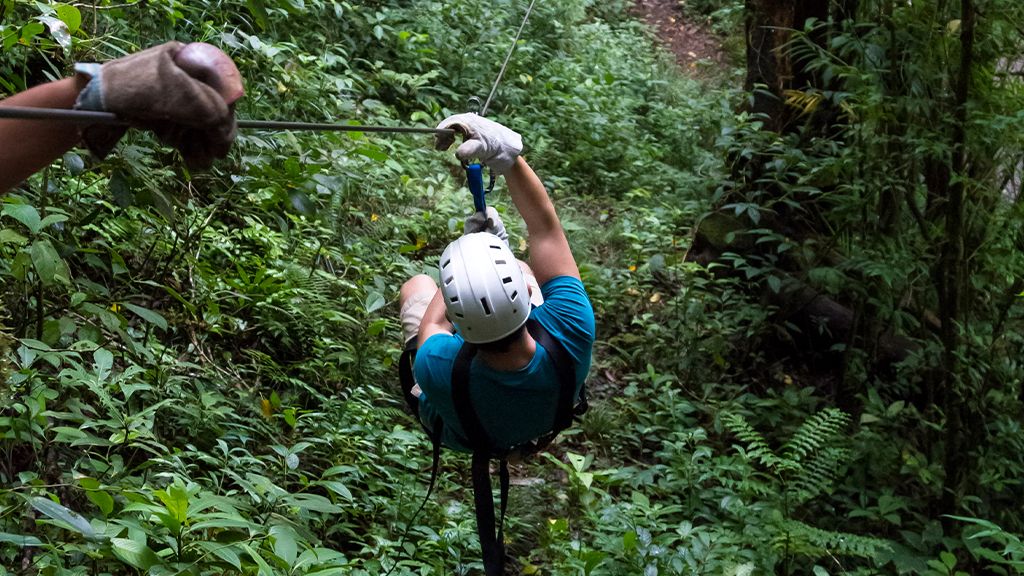
Zip line through the cloud forest
Zip lining in Costa Rica is a rite of passage. Soar above the treetops in Monteverde or Arenal, spotting wildlife below as you fly through the canopy. It’s exhilarating, scenic, and one of the top things to do in Costa Rica.
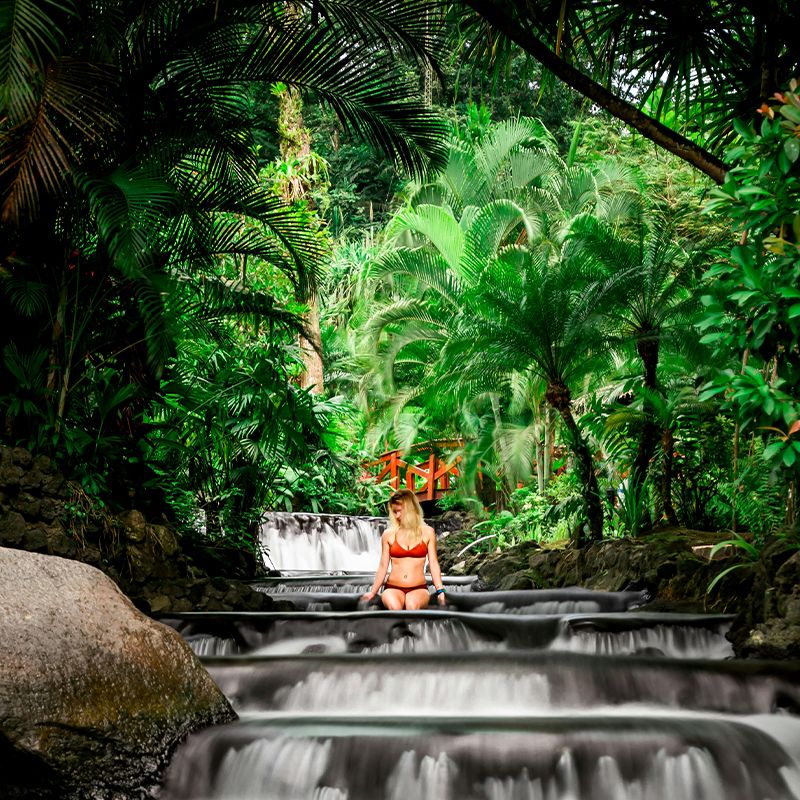
Soak in Arenal hot springs
After a day of hiking, sink into natural hot springs fed by Arenal Volcano. The warm, mineral-rich water surrounded by jungle is pure bliss.
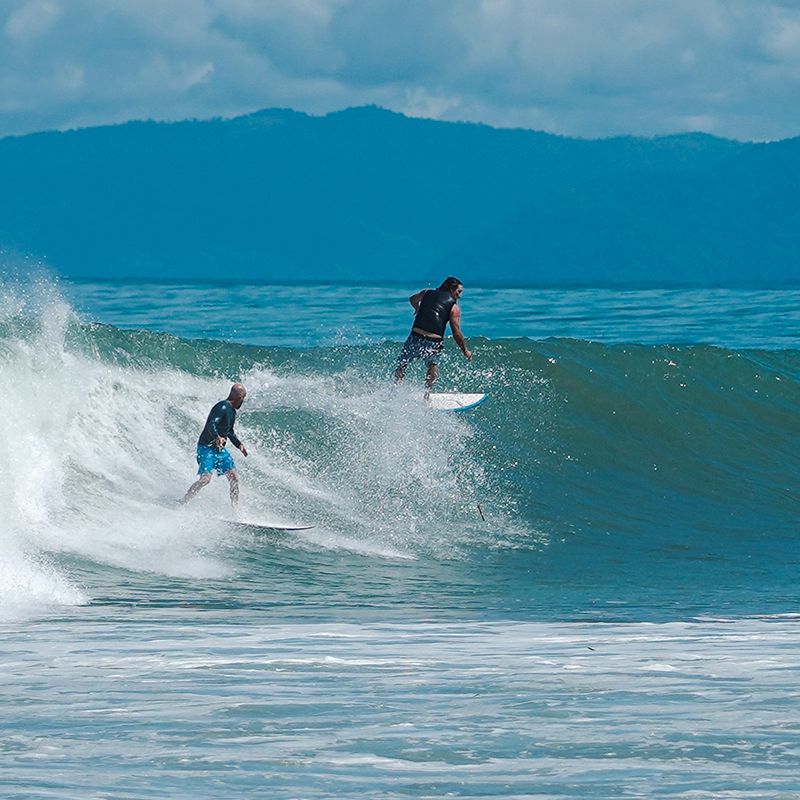
Surf the Pacific coast
Whether you’re a beginner or pro, Costa Rica surfing is world-class. Tamarindo, Jaco beach, and the Nicoya Peninsula offer consistent waves and lessons for every level.

Spot sloths and wildlife
Visit a sloth sanctuary or explore Manuel Antonio National Park for up-close encounters with sloths, monkeys, toucans, and more. Wildlife watching in Costa Rica is unmatched.
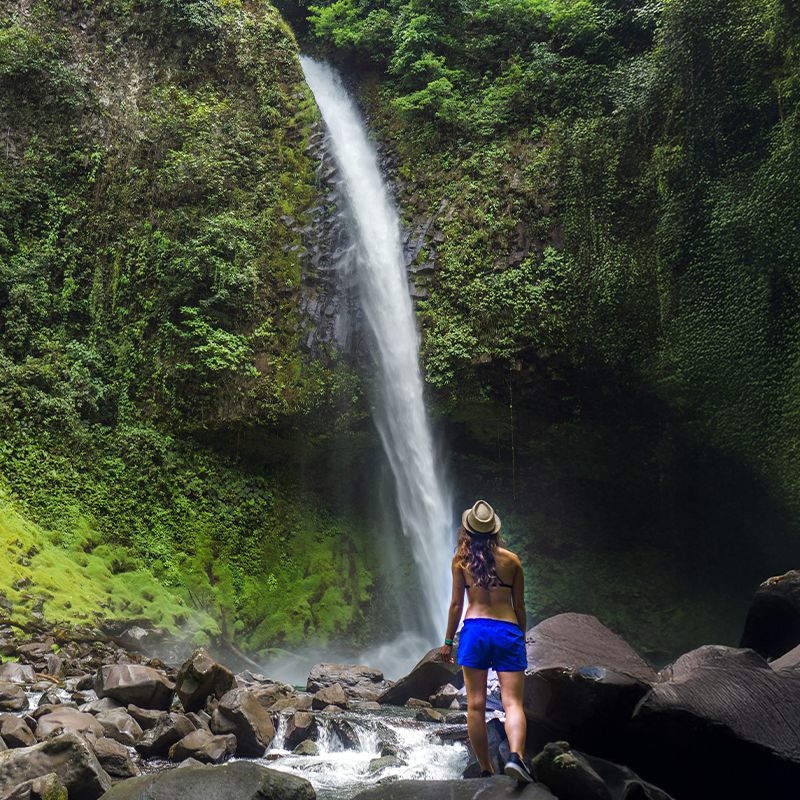
Hike to waterfalls
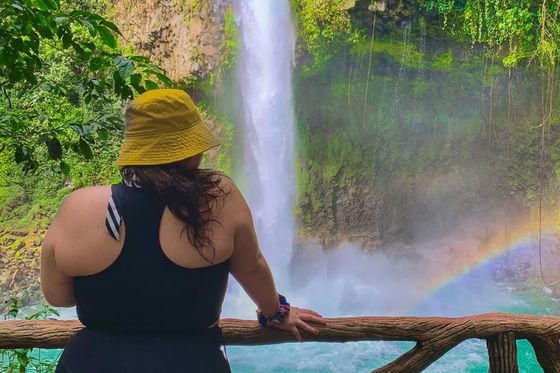
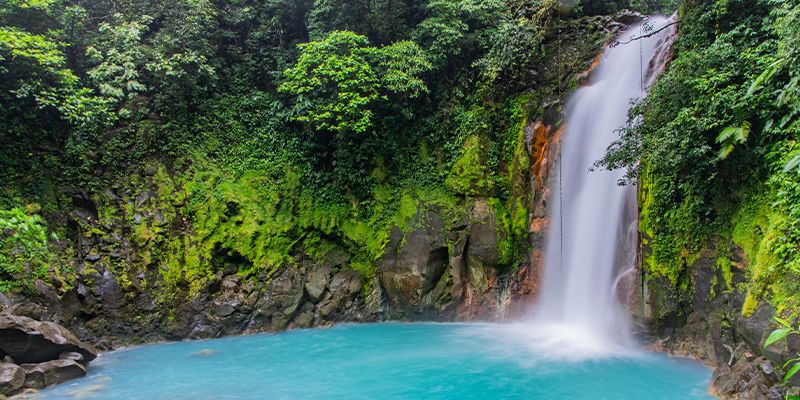
From La Fortuna to Rio Celeste, the waterfalls are stunning and swimmable. Bring your camera and your swimsuit.
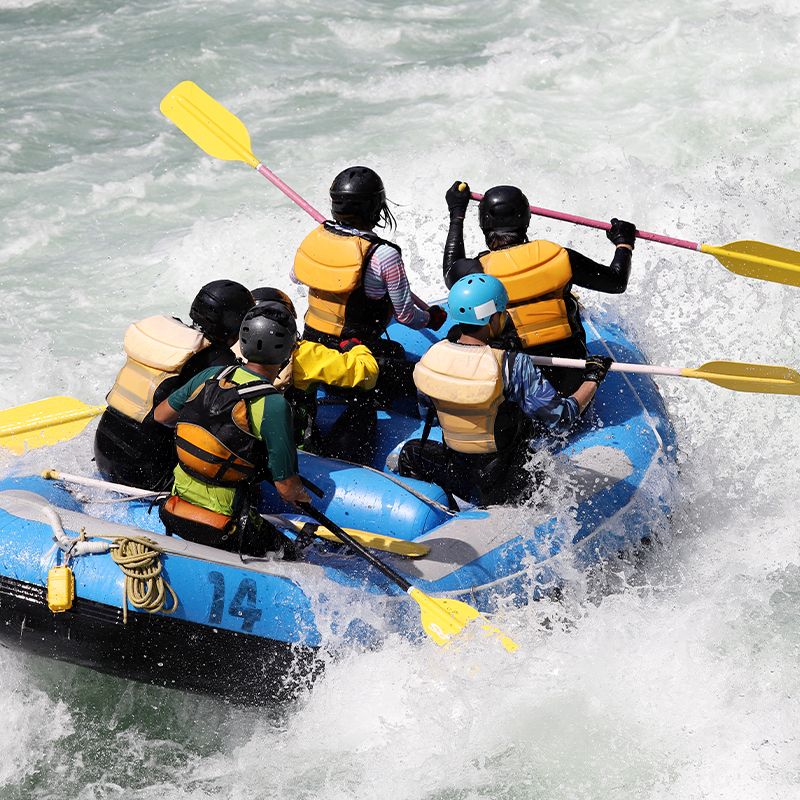
Raft down wild rivers
White water rafting on the Pacuare or Sarapiquí rivers is a heart-pounding adventure through jungle gorges and rapids.
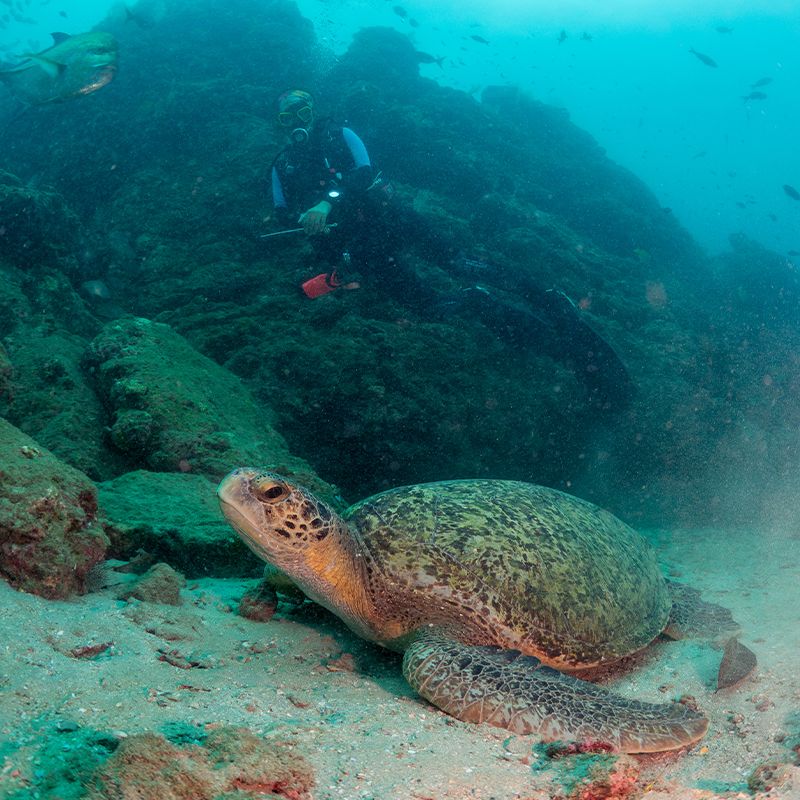
Snorkel or dive the coast
Snorkeling and diving in Costa Rica reveal vibrant coral reefs, sea turtles, and tropical fish. Head to the Osa Peninsula or Caribbean coast for the best underwater experiences.
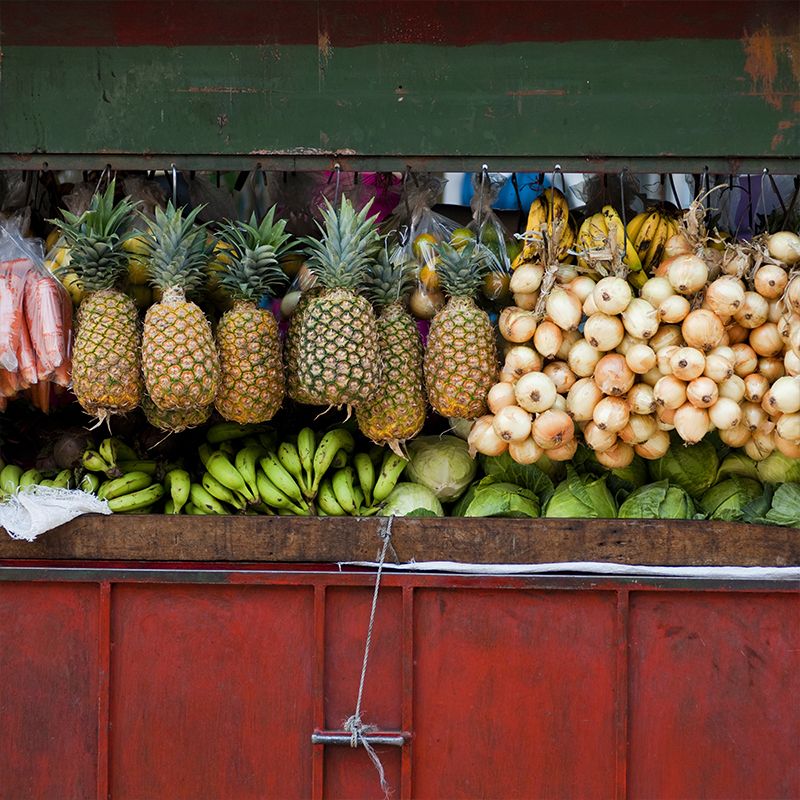
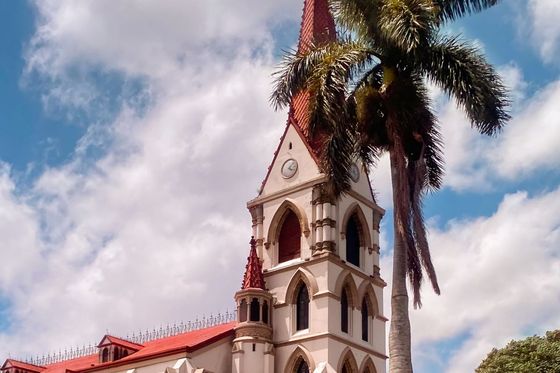
Explore San José
The capital gets overlooked, but things to do in San José include colorful markets, street art, museums, and some of the best restaurants San José has to offer.
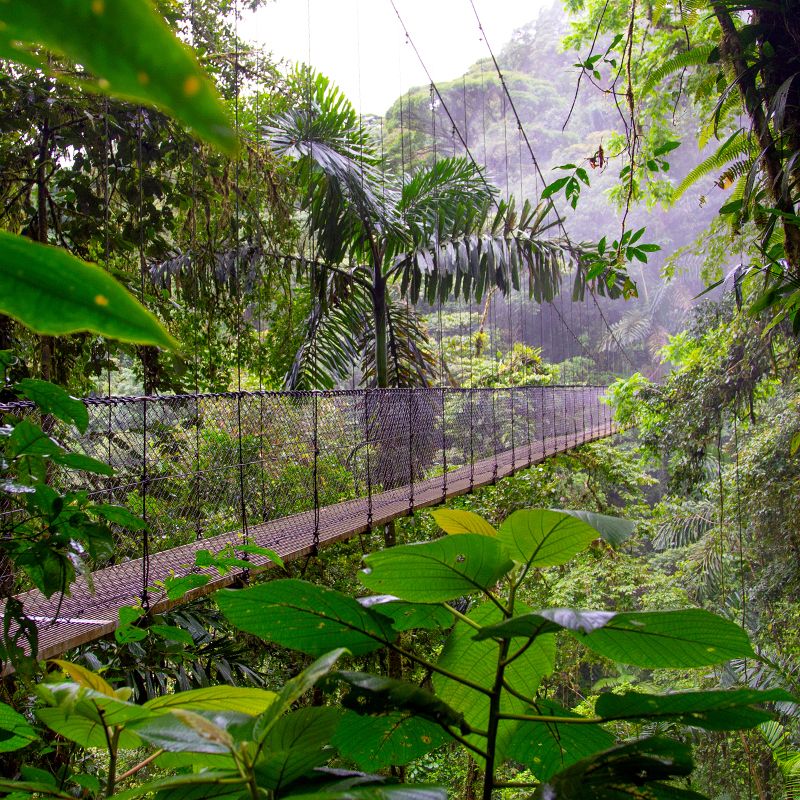
Walk the hanging bridges
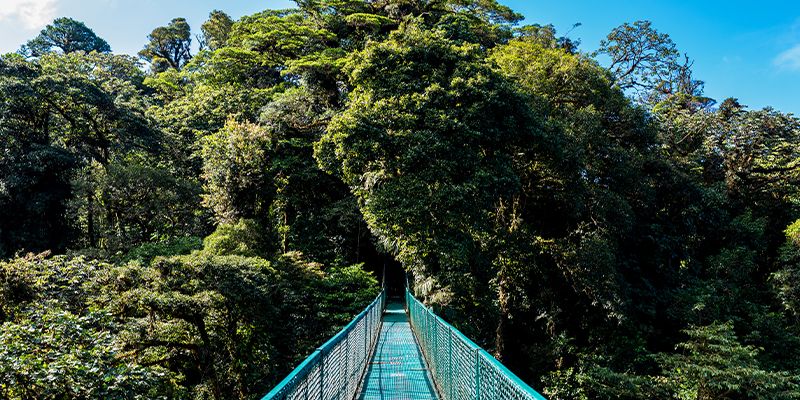
Hanging bridges in Monteverde and Arenal let you experience the rainforest canopy at a slower pace. It’s peaceful, immersive, and perfect for photographers.
What’s the weather like in Costa Rica?

December–April (dry season)
This is the best time to visit Costa Rica for sunshine and adventure. The dry season means clear skies, calm seas, and perfect conditions for zip lining, surfing, and beach days. Expect crowds and higher prices, especially around holidays.
May & November (shoulder season)
These months offer fewer tourists, lower prices, and mostly good weather. You’ll catch some afternoon showers, but mornings are usually clear. Great for avoiding crowds while still enjoying solid conditions.
June–October (rainy season)
The rainy season brings lush landscapes, fewer tourists, and the cheapest time to visit. Mornings are often sunny, with afternoon rain. It’s also turtle and whale watching season, making it ideal for wildlife lovers.
What to eat in Costa Rica?
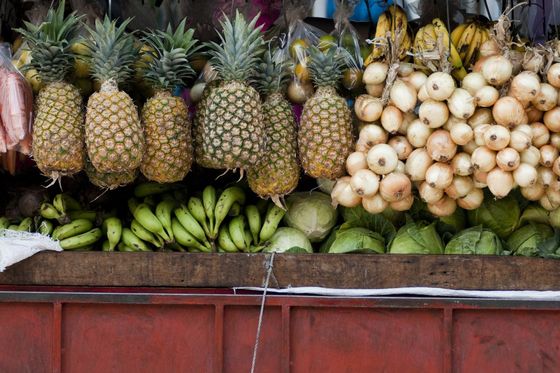
Costa Rican food is hearty, fresh, and deeply comforting. From beachside sodas to San José’s best restaurants, every meal reflects the country’s agricultural roots and coastal bounty.
Safety in Costa Rica
Costa Rica is one of the safest countries in Central America, and millions of travelers visit every year without incident. It’s also great for solo travelers!
Petty theft can happen in crowded areas and tourist hotspots, so keep an eye on your belongings. Don’t leave valuables in rental cars or on the beach.
Top things to keep in mind: Tap water is safe to drink in most areas, especially in cities and tourist zones, but in remote areas stick to bottled water. Also remember to respect wildlife. Don’t approach the animals you’re sure to see and be cautious of rip currents when swimming.
Your safety is our top priority
Traveling with EF Ultimate Break means you’re not exploring Costa Rica alone—you’ve got a full support system making sure you feel comfortable, informed, and protected every step of the way.
Traveler photos from Costa Rica
Costa Rica travel reviews
Our travelers love visiting Thailand, and they aren’t afraid to tell us.



)