)
Traveling to Croatia with EF Ultimate Break
Croatia is always iconic
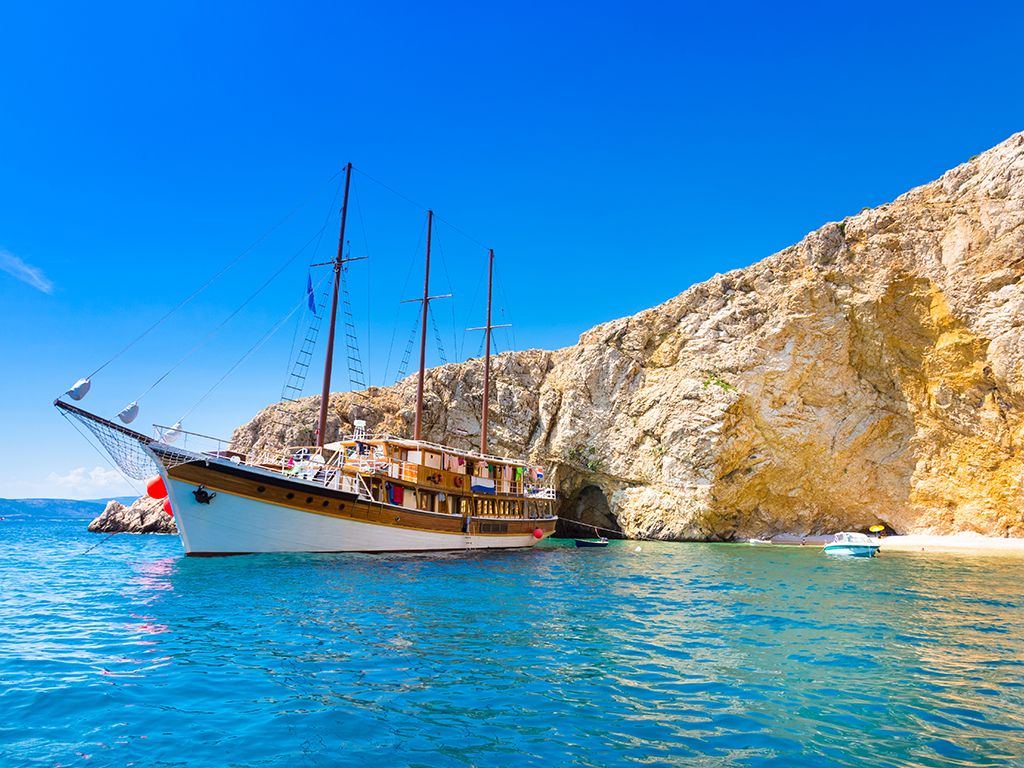
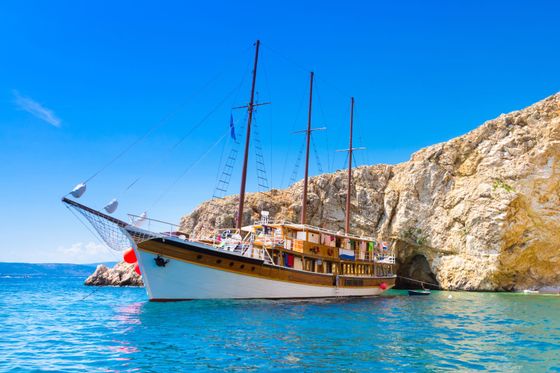
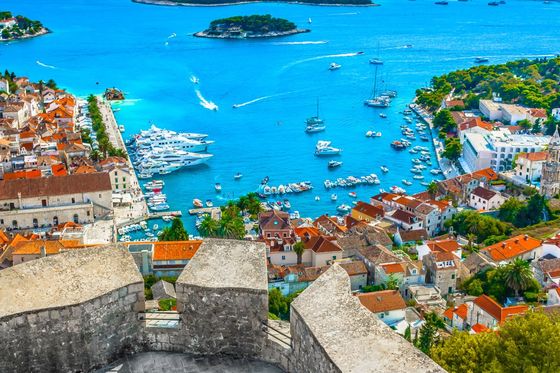
Island-hopping paradise: Sailing Croatia is an core memory experience. From Hvar to Korčula, the Croatian islands and coast offer everything from buzzing nightlife to peaceful villages. Croatia boat tours and Croatia island hopping tours let you explore the Adriatic at your own pace.
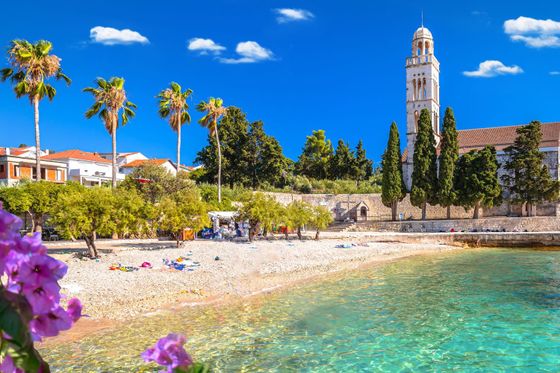
Beaches & clear water: Croatia’s coast is famous for its clear water—perfect for snorkeling, swimming, and soaking up the sun. The Makarska Riviera and other Croatia beaches are some of the most gorgeous in Europe.
UNESCO sites & history: From Split’s ancient Diocletian’s Palace to Dubrovnik Old Town, Croatia is packed with UNESCO World Heritage Sites. Croatia history comes alive in well-preserved cities that blend Roman, Venetian, and Austro-Hungarian influences.
Game of Thrones: Dubrovnik is famous as the filming location for King’s Landing. A Game of Thrones tour of Dubrovnik is a must for fans who want to walk the same streets as their favorite characters.
National parks: From Krka National Park’s stunning waterfalls to Mljet National Park’s serene lakes, Croatia’s natural beauty is a major draw for adventure seekers.
Year-round appeal: Summer means perfect beach weather and island-hopping, the shoulder season offers mild temperatures and fewer crowds. Even winter has its charm, with festive celebrations and the chance to experience authentic local life.

Language
Croatian is the official language of Croatia, spoken by over 5 million people. While many Croatians speak English—especially in tourist areas—learning a few basic phrases will make your trip smoother and show respect for the local culture.

Currency & tipping culture
Knowing the basics of handling money in Croatia will help you avoid surprises and show good etiquette. Croatia uses the Euro (€), and while credit cards are widely accepted, cash is still preferred for small purchases and in rural areas. Tipping isn’t mandatory but is always appreciated as a gesture of good service.
Croatia uses the Euro (€).
Banknotes: €5, €10, €20, €50, €100, €200, €500. Coins: €0.01 to €2.
Credit cards are widely accepted, but carry cash for small purchases or rural areas.
ATMs are common—watch for withdrawal fees!
Tipping tips:
Restaurants & cafes: Round up or leave 5–10%.
Bars: Small change or rounding up is fine.
Taxis: Not required; rounding up to the nearest euro is polite.
Hotels: €1–2 per bag for porters; €2–5 per day for housekeeping.
Local guides: Around €5–10 per person for a day tour.
Transportation
Getting around Croatia is pretty easy, blending public transport, taxis, and ferries connecting the mainland and Croatian islands. While major cities like Split and Dubrovnik have reliable bus systems, Croatia island hopping requires ferries or private boats. Domestic flights are available for longer distances.

Split and Dubrovnik have efficient bus systems. Tickets are inexpensive and can be purchased at stations or kiosks.

Widely available in cities. Fares are metered but confirm before starting the ride. Apps like Uber are available in major cities.

The main way to travel between islands. Private boat cruises like our Cruise Croatia trip offer a more intimate Croatia island hopping experience.

Great for exploring islands or rural areas. Driving in Croatia is straightforward, and Croatia road conditions are generally good. An international driving permit may be required.

Ancient palaces, party islands, peak private-boat vibes—this is your greatest-hits tour of the Dalmatian Coast.

Croatia’s iconic destinations
Ancient palaces, party islands, peak private-boat vibes—this is your greatest-hits tour of the Dalmatian Coast.


Can’t-miss Croatian experiences
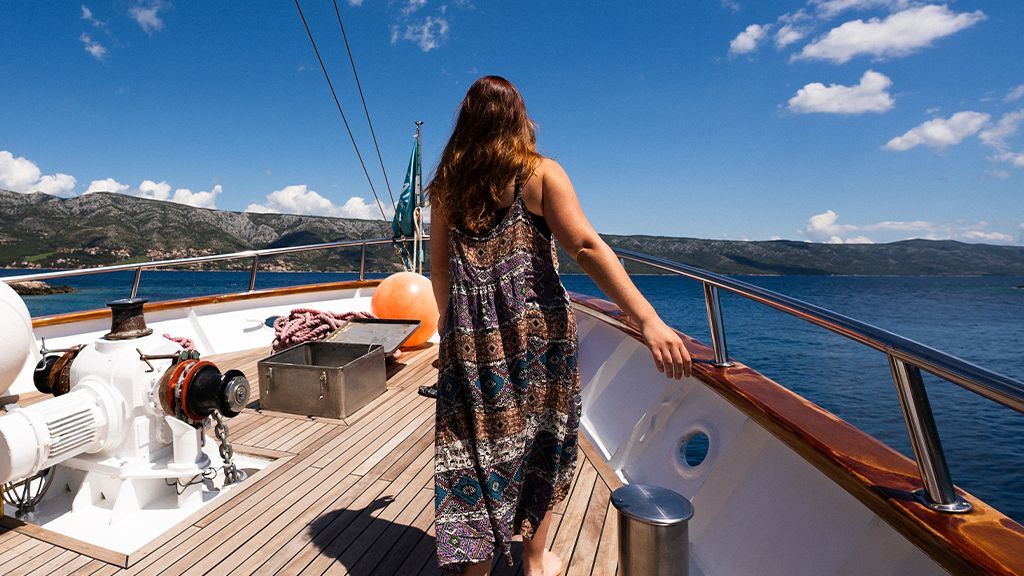
Island hop on your private boat
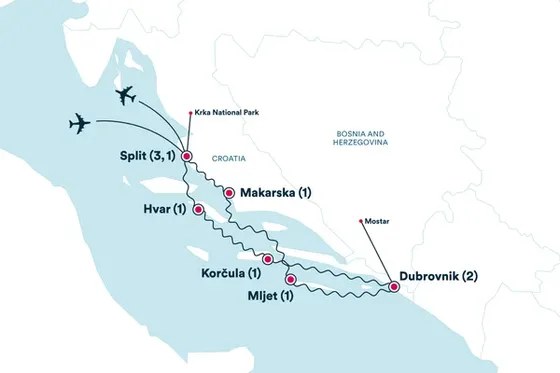
Board your private boat and set sail around the Adriatic Sea. Catch some sun on the upper deck, dive in at swim stops, or nap in your cabin as you settle into sea life. Cruise to stunning Croatian islands like Makarska, Mljet, Korčula, and Hvar—each with its own vibe, from laid-back villages to buzzing nightlife.
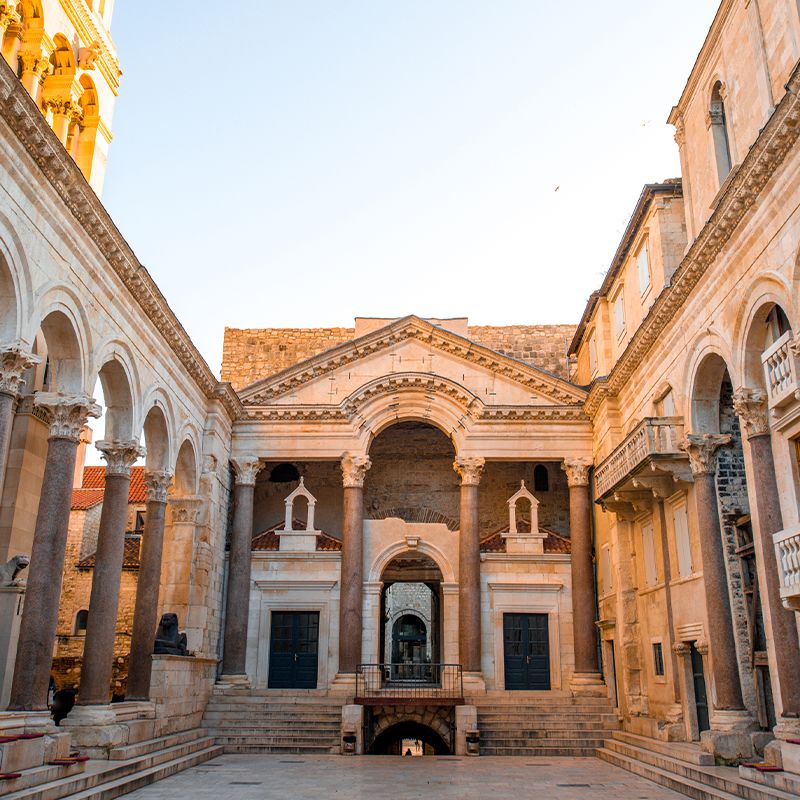
Explore Diocletian’s Palace
Wander through Split’s buzzing city center, a UNESCO World Heritage Site where things are so well-preserved, it’s like you traveled back centuries. The Old Town is home to Diocletian’s Palace Split, a Roman emperor’s residence dating back to the late 3rd and early 4th century.
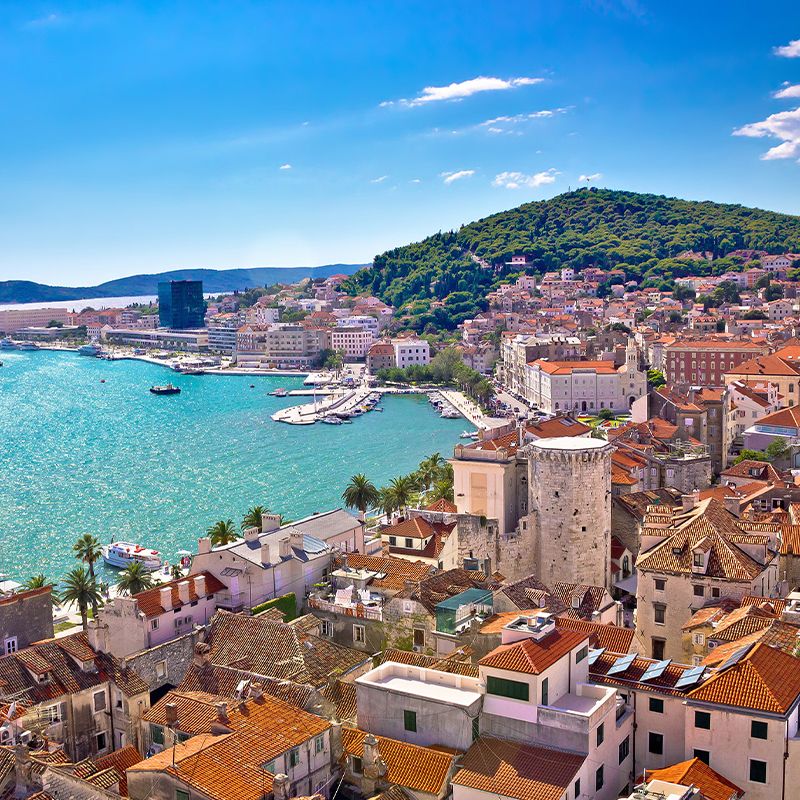
Hike Marjan Hill for panoramic views
Head into Marjan Park-Forest, Split’s beloved escape for walking, running, biking, and scenic climbs. Make your way to the top for unbeatable views of the harbor and Old Town and stop at Teraca Vidilica—a small outdoor bar with sweeping panoramas and cold bevs.
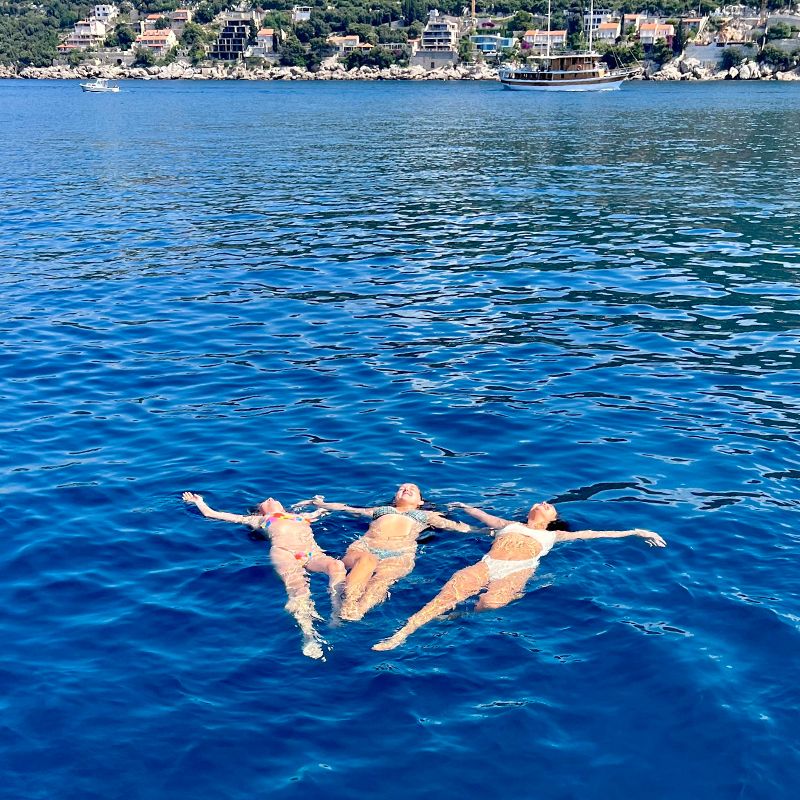
Swim in the Adriatic Sea
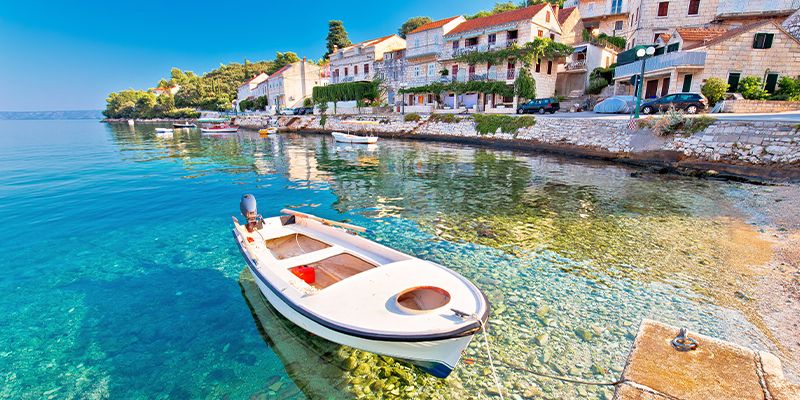
Spend your mornings and downtime diving into the blue during swim stops as you cruise between islands. The Adriatic Sea Croatia is famous for its clear water—so clear you can see straight to the bottom.
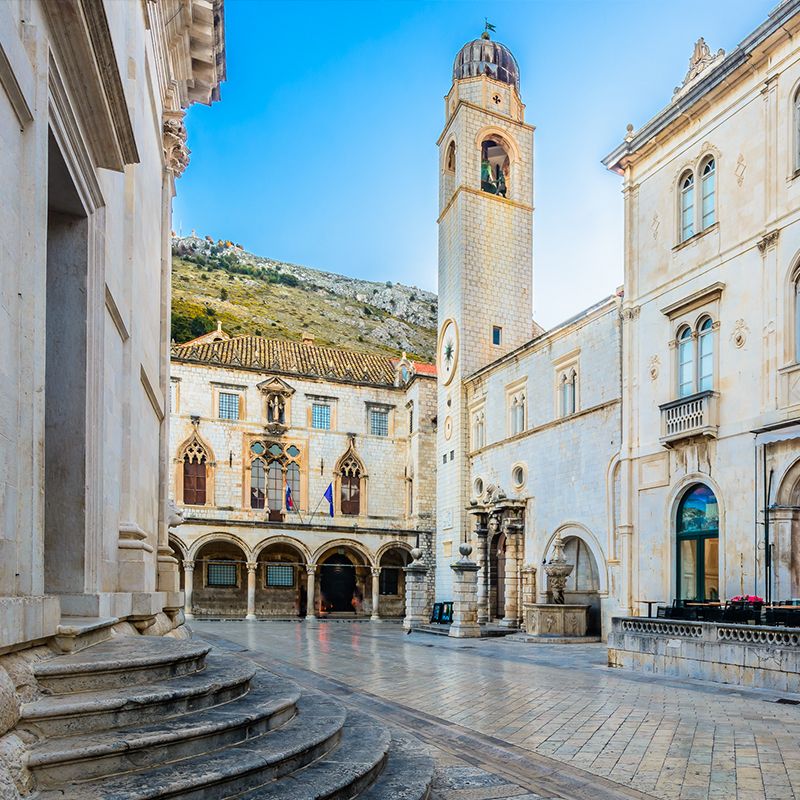
Walk Dubrovnik’s city walls
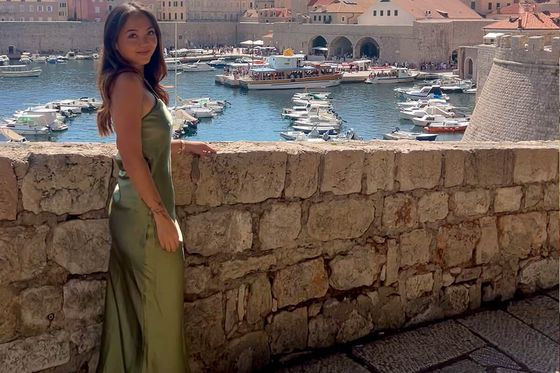
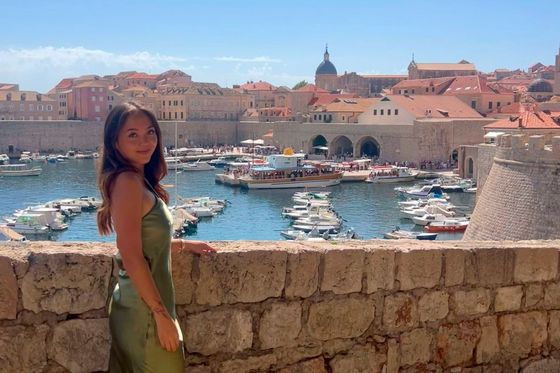
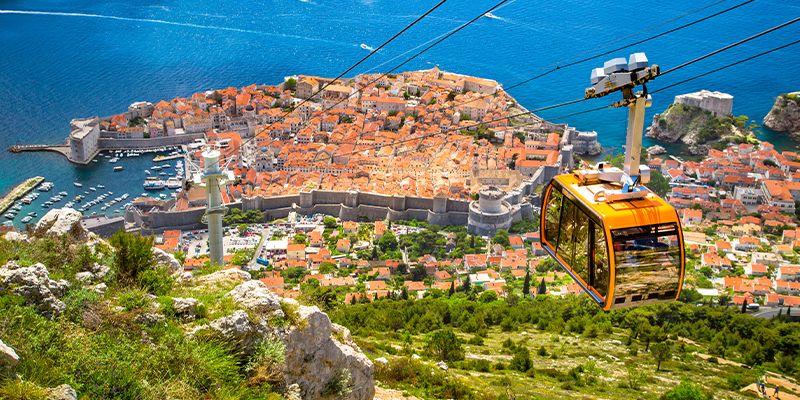
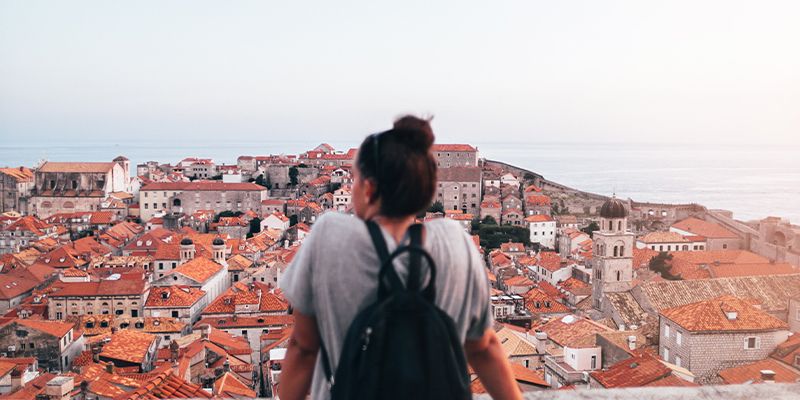
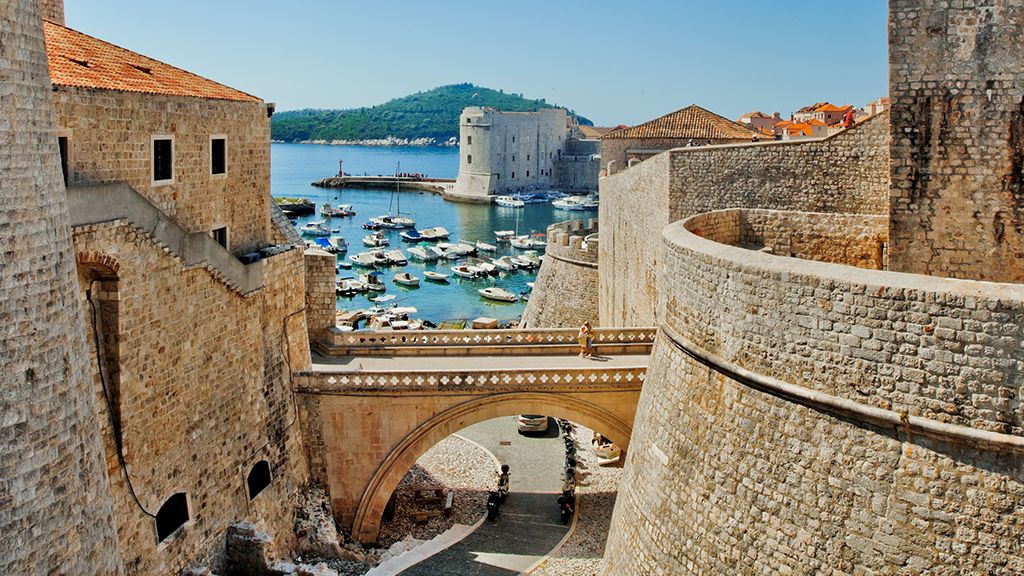
Experience Dubrovnik’s cobblestone streets and Dubrovnik Old Town on a guided tour led by a local expert. Climb the Dubrovnik city walls for epic sunset views and gorgeous panoramas of the city below.
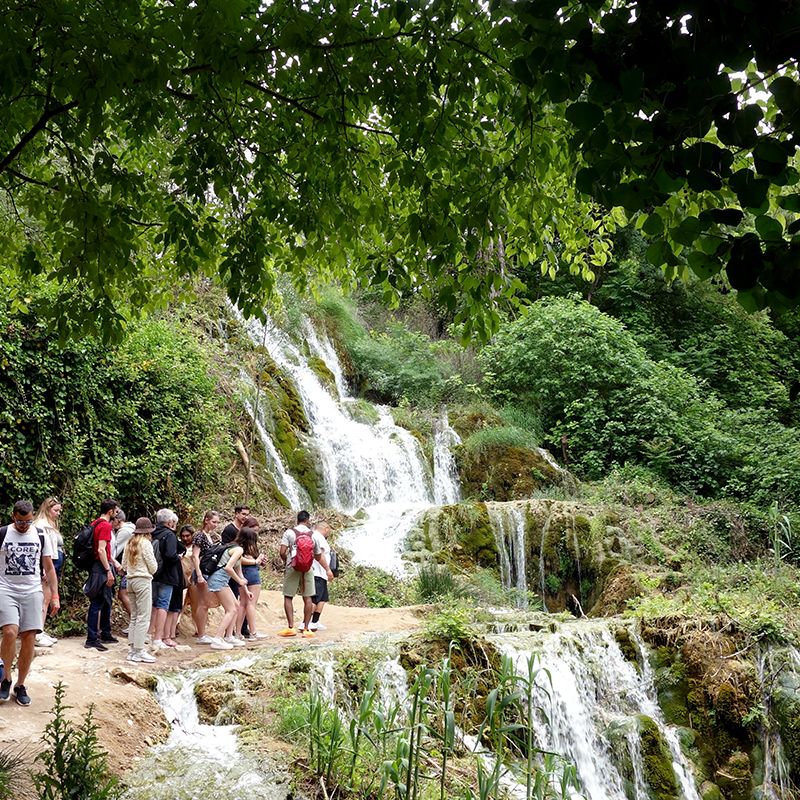
Explore Krka National Park
Jump aboard a speedboat and explore the crystal-clear waters around Ios. Snorkel through shipwrecks, discover hidden coves, and dive into the turquoise Aegean Sea. It’s adventure and relaxation rolled into one unforgettable experience.
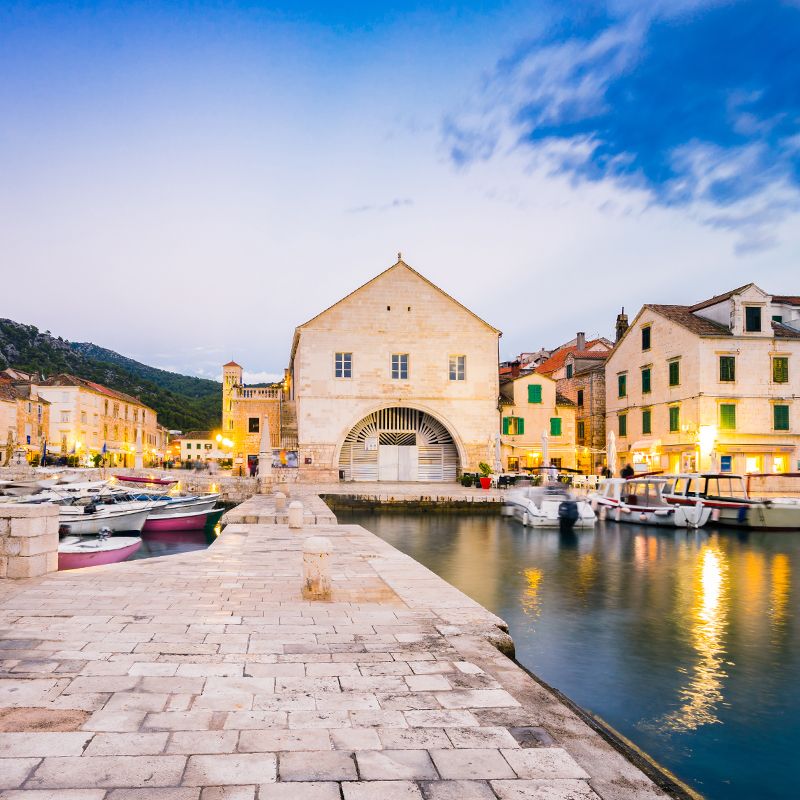
Dive into Hvar after dark
Hvar is one of Croatia’s buzziest spots, thanks to epic nightlife, Renaissance-era architecture, and endless activities fit. Walk the marble streets, taste-test local Croatian wine and beer, and join the never-ending party that happens after dark.
What’s the weather like in Croatia?
July–August
Perfect for sun and sea: Warm weather by month (77–86 °F) and crystal-clear waters make this ideal for Croatia island hopping and beach vibes. The Croatia sailing season is in full swing. Expect busy islands, premium hotel rates, and vibrant nightlife. This is peak season for Croatia boat tours and coastal towns. Best time to visit for beach weather is during these months, though you’ll encounter Dubrovnik crowds.
May–June & September–October
Best overall travel window and best time for islands Croatia: Mild temperatures (64–77 °F), fewer crowds, and lower prices (30–40% less). Ideal for sightseeing, hiking, and exploring historic cities. This is the best month to visit Croatia for avoiding crowds. Sea swims are comfortable in late spring and early fall. The Adriatic is still warm, and island life is much more relaxed.
November–March
Budget-friendly and authentic: Lower accommodation costs (up to 50% off), minimal crowds, and rich cultural experiences in Split, Dubrovnik, and other mainland areas. Cooler days (44–59 °F), occasional rain, and limited ferry services to many islands. Winter options include festive celebrations during Christmas and exploring cities without the summer rush.
When is the cheapest time to visit Croatia?
If you’re looking to experience Croatia without the peak-season crowds or peak-season prices, you’re in luck—Croatia has a “sweet spot” for budget-friendly travel.
What to eat in Croatia?
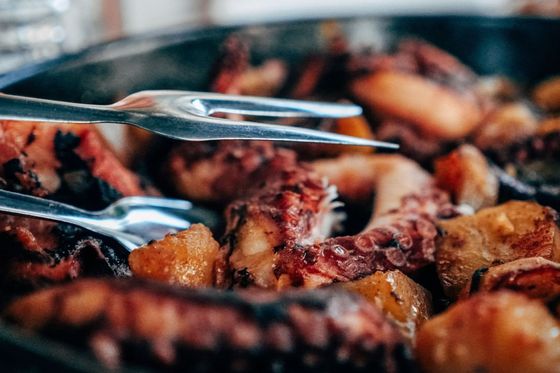
There’s a lot more to Croatian cuisine than the seafood (but definitely still eat all the seafood).
Safety in Croatia
Croatia is widely considered one of the safest travel destinations in Europe, attracting millions of visitors each year who explore its islands, historic sites, and cities with confidence. The Croatia crime rate is low, and violent crime is rare. Tourist areas are well-patrolled and welcoming.
Like any popular destination, petty theft can occur in crowded spots—especially around major attractions, ferries, and ports—but staying aware of your surroundings usually keeps you in the clear. Safe areas in Croatia include all major tourist destinations.
Solo travel in Croatia, and particularly solo female travel, are both very common and generally safe. Standard travel precautions apply.
Your safety is our top priority
Traveling with EF Ultimate Break means you’re not exploring Croatia alone—you’ve got a full support system making sure you feel comfortable, informed, and protected every step of the way.
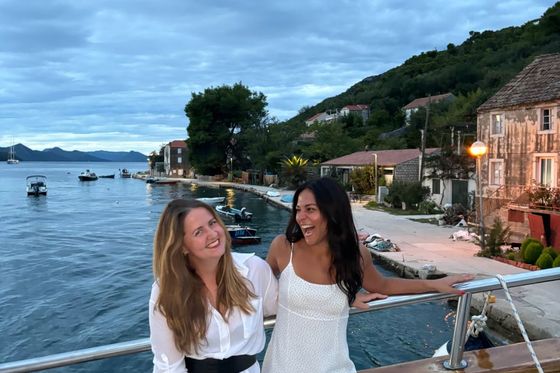
Traveler photos from Croatia
Croatia travel reviews
Our travelers love visiting Thailand, and they aren’t afraid to tell us.