)
Traveling to Ireland with EF Ultimate Break
Ireland: Where ancient stories meet modern adventure
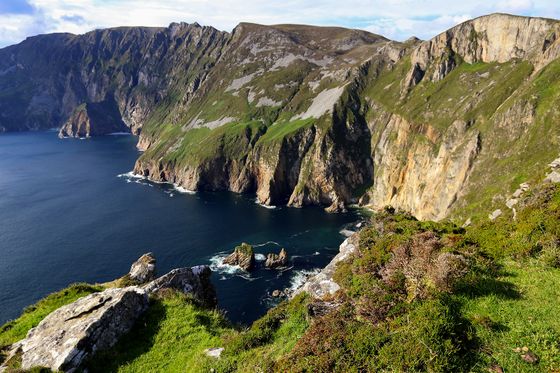
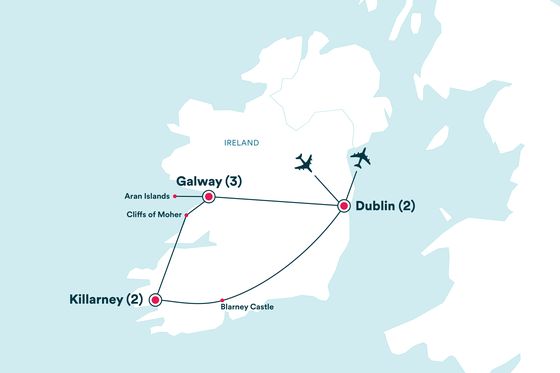
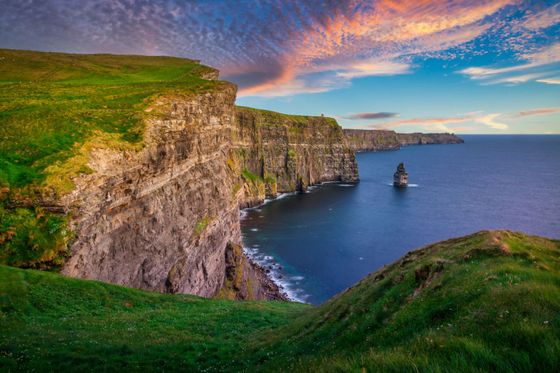
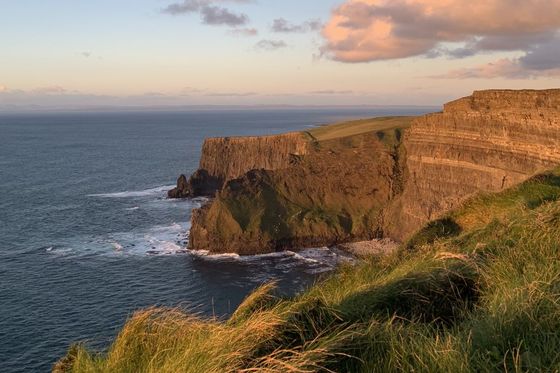
Movie-like landscapes: Ireland’s Emerald Isle nickname exists for a reason—rolling green hills, dramatic coastal scenery, and rugged cliffs that drop into the Atlantic. From the Cliffs of Moher to the Wild Atlantic Way, Irish landscapes are literal postcards.
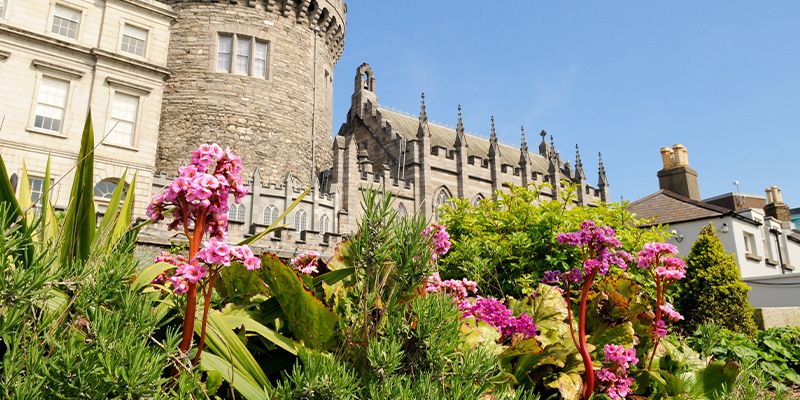
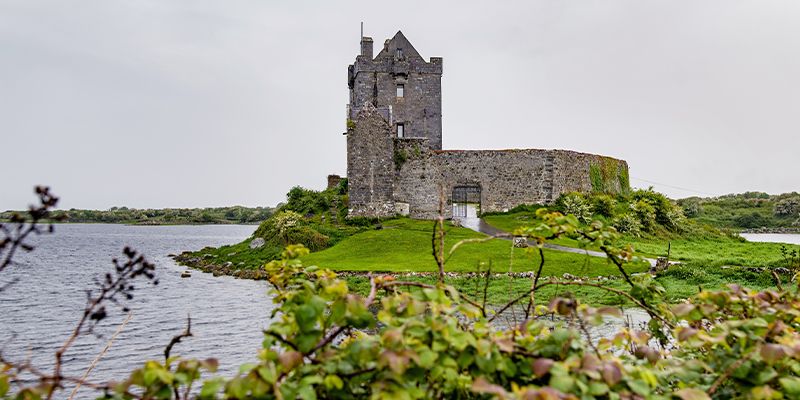
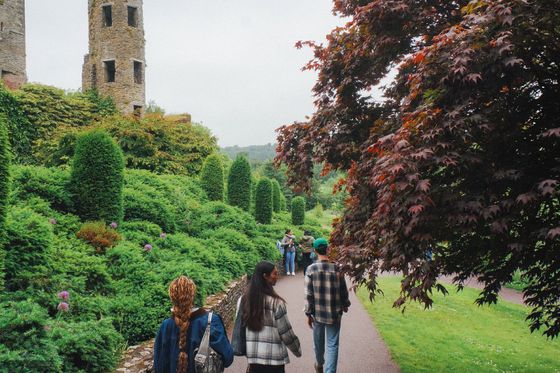
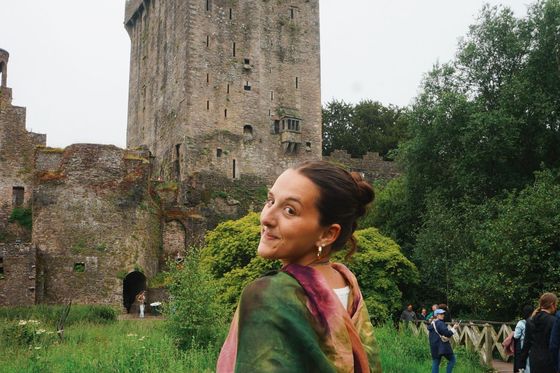
Castles and history everywhere: Ireland castles dot the countryside like something out of a storybook. Blarney Castle, Kilkenny Castle, Dublin Castle, and the Rock of Cashel aren’t just tourist stops—they’re windows into Irish history spanning centuries.
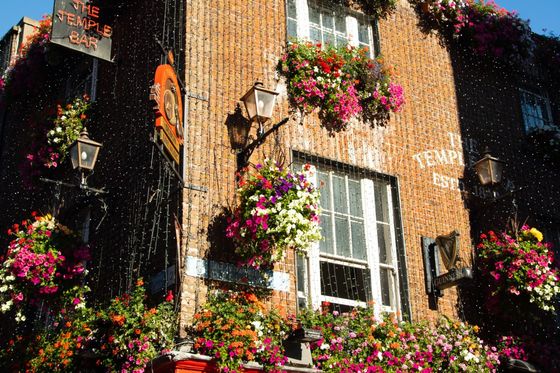
Culture that pulls you in: Irish culture is alive in every pub session, every story, every pint. they aren’t just places to drink—they’re community hubs where Irish music spills out onto cobblestone streets and strangers become friends. Ireland’s literary heritage runs deep, from James Joyce to Oscar Wilde, and you’ll feel it walking through Dublin.
Warm welcomes: Locals are genuinely welcoming, quick to chat, and happy to point you toward the best hidden spots. It’s one of the top reasons to visit Ireland.
Road trip paradise: A road trip along the Wild Atlantic Way or through the Ring of Kerry is one of the most scenic drives on the planet.
Irish mythology and folklore: Fairy forts, ancient stone circles, and tales of leprechauns and banshees aren’t just tourist gimmicks—they’re part of the cultural fabric. Ireland is a place where the past and present coexist, and every corner has a story.

Language
English is the primary language spoken in Ireland, though Irish (Gaeilge) is the official first language and still spoken in some regions, particularly along the west coast. You’ll see Irish on road signs and hear it in traditional music sessions. Learning a few phrases shows respect for Ireland culture.

Currency & tipping culture
Ireland uses the Euro (€), and Northern Ireland (including Belfast Ireland) uses the British Pound (£). Credit cards are widely accepted, but cash is handy for smaller pubs, markets, and rural areas. Tipping isn’t mandatory but is appreciated for good service.
Banknotes: €5, €10, €20, €50, €100, €200, €500. Coins: €0.01 to €2.
Credit cards work almost everywhere, but some traditional Irish pubs and small shops prefer cash.
ATMs are common in cities and towns—watch for withdrawal fees.
Exchange rates fluctuate, so check current rates before you go.
Tipping guidelines:
Restaurants: 10–15% if service isn't included.
Cafes and bars: Rounding up or leaving small change is appreciated. Bartenders don't expect tips for pints.
Taxis: Round up to the nearest euro or add 10%.
Hotels: €1–2 per bag for porters; €2–5 per day for housekeeping.
Local guides: €5–10 per person for day tours; more for multi-day experiences.
Transportation
Ireland’s transportation network connects cities, coastal towns, and remote villages through buses, trains, and rental cars. Dublin public transport includes buses, trams (Luas), and the DART train, making it easy to get around the capital. For exploring beyond the cities, renting a car is your best bet.

Taxis are widely available in cities. Apps like Uber, Bolt, and Free Now work in Dublin and other major cities. Always use licensed taxis—look for the official taxi sign on the roof.

Bus Éireann and private companies like GoBus connect major towns and tourist destinations. Buses are affordable and reliable, though routes can be infrequent in rural areas.

Irish Rail connects Dublin to Cork, Galway, Belfast, and other cities. Trains are comfortable and scenic, especially along the coast.

An Ireland road trip is one of the best ways to experience the country. Driving in Ireland means driving on the left, which takes some getting used to.

Cities like Dublin, Galway Ireland, and Belfast are walkable and best explored on foot. Bring waterproof shoes—rain is a given.

Ireland’s iconic destinations
From ancient castles to windswept cliffs, Ireland offers unforgettable experiences at every turn.


Can’t-miss Irish experiences
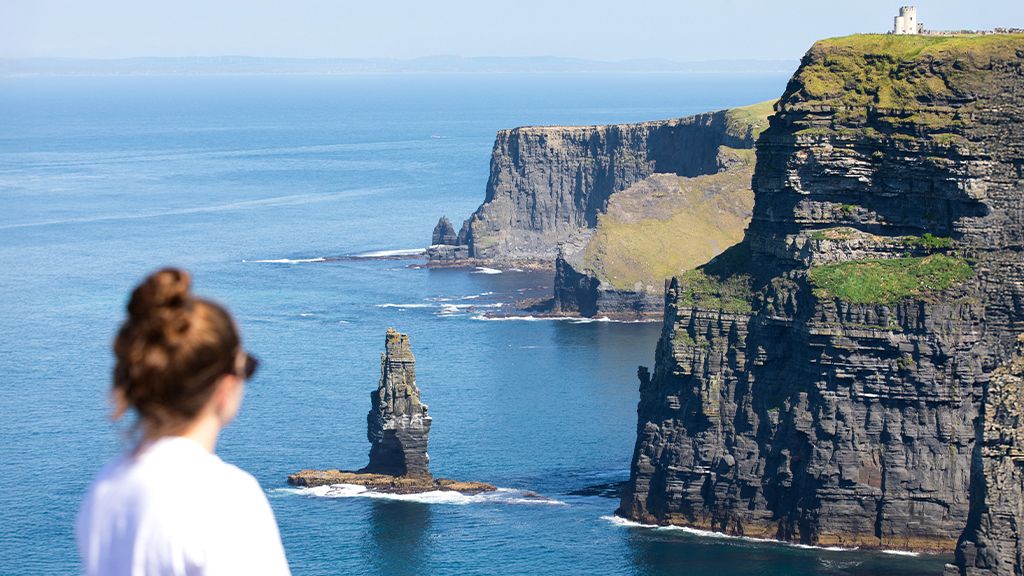
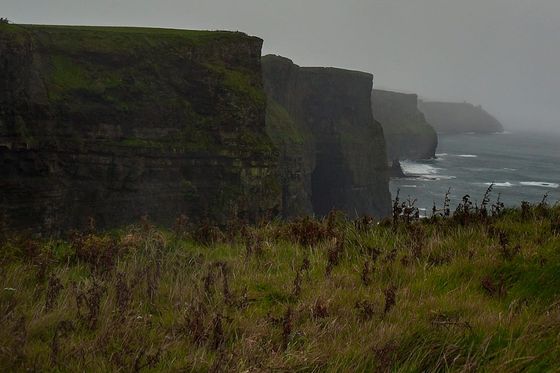
Stand at the edge of the Cliffs of Moher
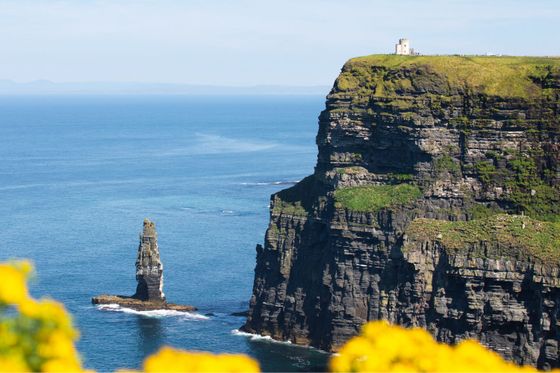
The Cliffs of Moher are one of Ireland’s most iconic sights. Stand at the edge, feel the Atlantic wind, and take in views that stretch for miles. It’s dramatic, humbling, and absolutely on the Ireland bucket list.
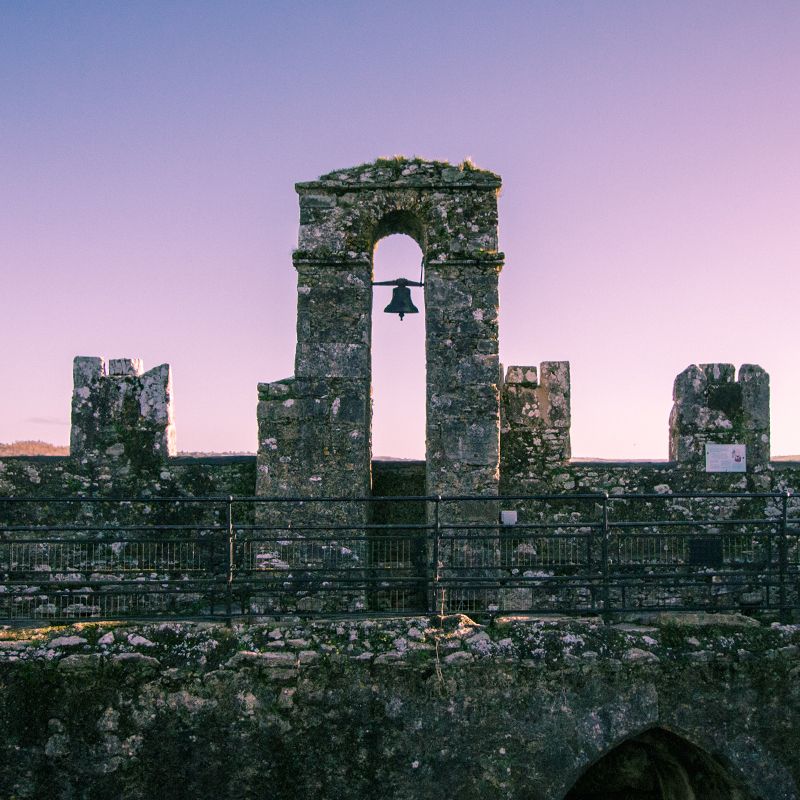
Kiss the Blarney Stone
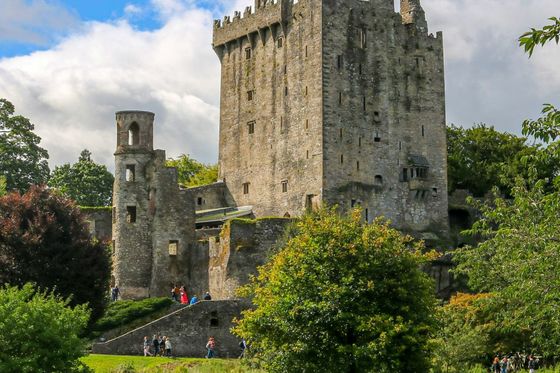
Lean back over the edge at Blarney Castle to kiss the stone and gain the “gift of the gab.” It’s touristy, sure, but it’s also a rite of passage.
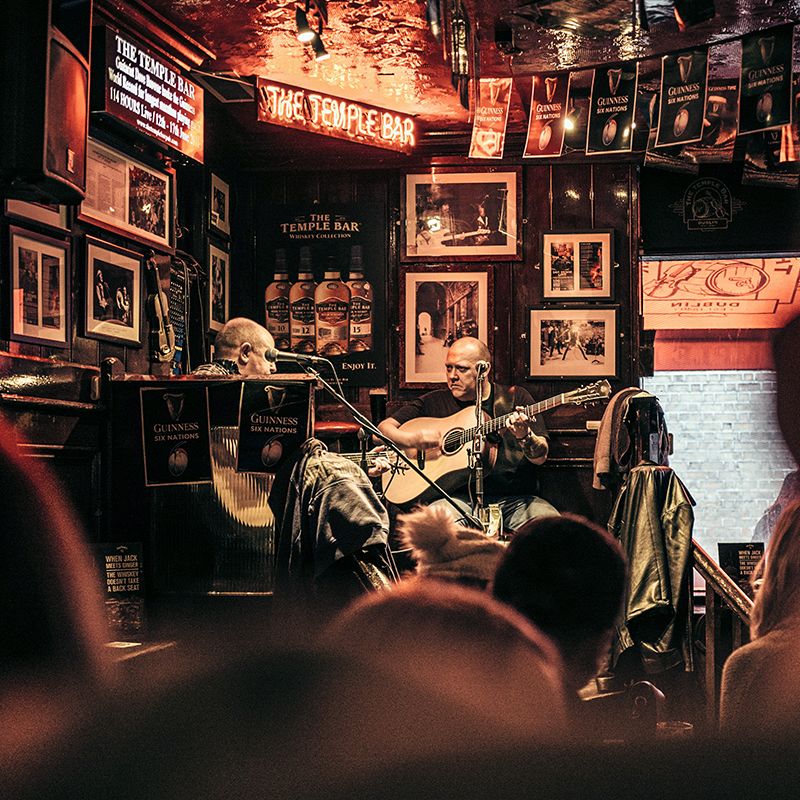
Experience Irish music
Head to an Irish pub in Galway, Doolin, or Dublin and catch a trad session. Irish music is best experienced live, with fiddles, bodhráns, and voices filling the room.
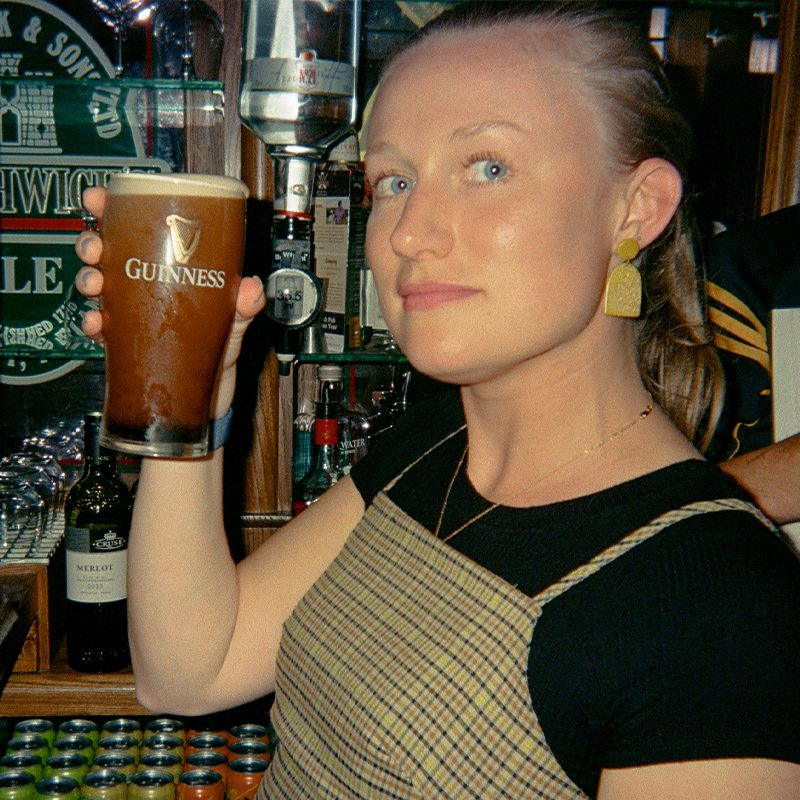
Tour Guinness Storehouse
Learn how Guinness is made, pour your own pint, and enjoy it in the Gravity Bar with 360-degree views of Dublin. It’s one of the top things to do.

Visit a whiskey distillery
Take an Irish whiskey distillery tour at Jameson distillery in Dublin, Midleton in Cork, or Bushmills in Northern Ireland. Learn the process and taste the spirit.
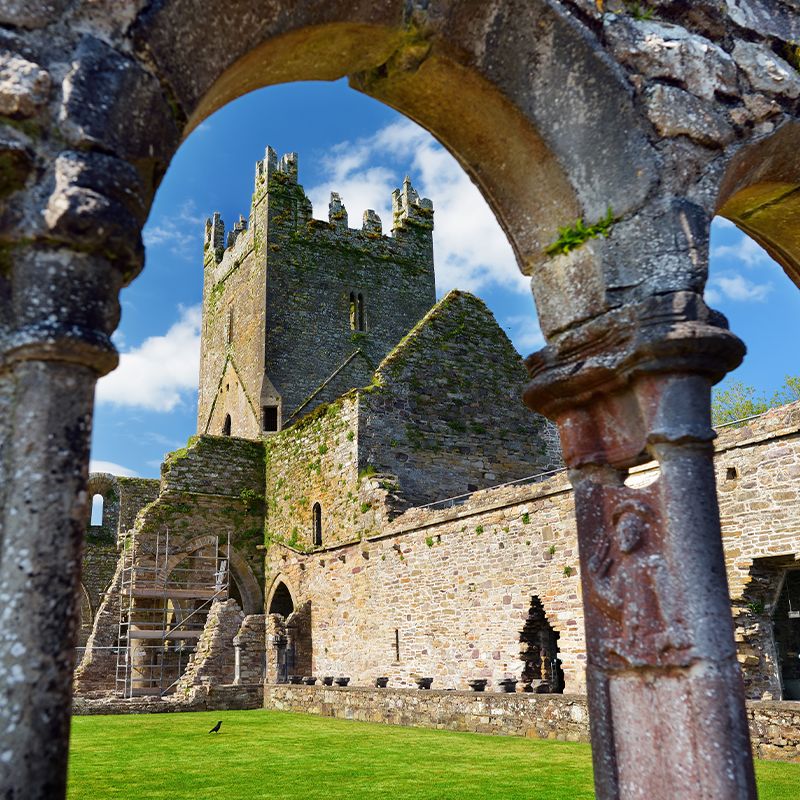
Explore ancient castles
From Dublin Castle to Kilkenny Castle to the Rock of Cashel, Irish castles are everywhere. Each one tells a story of Ireland history, battles, and legends.
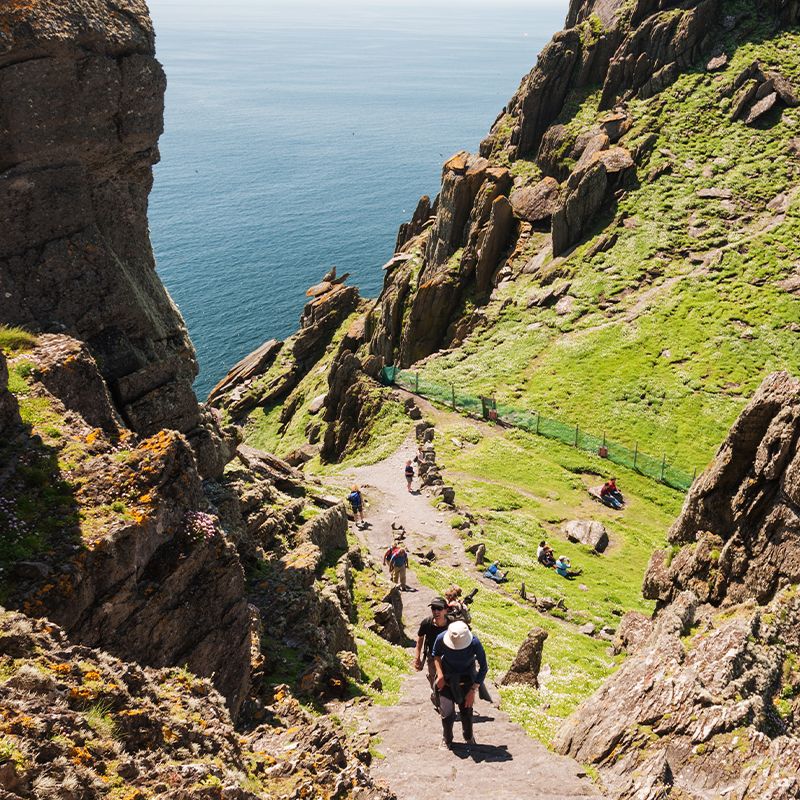
Island hop
Take a ferry to the Aran Islands for a glimpse of traditional Irish life or brave the boat ride to Skellig Michael for ancient monastic ruins and Star Wars vibes.
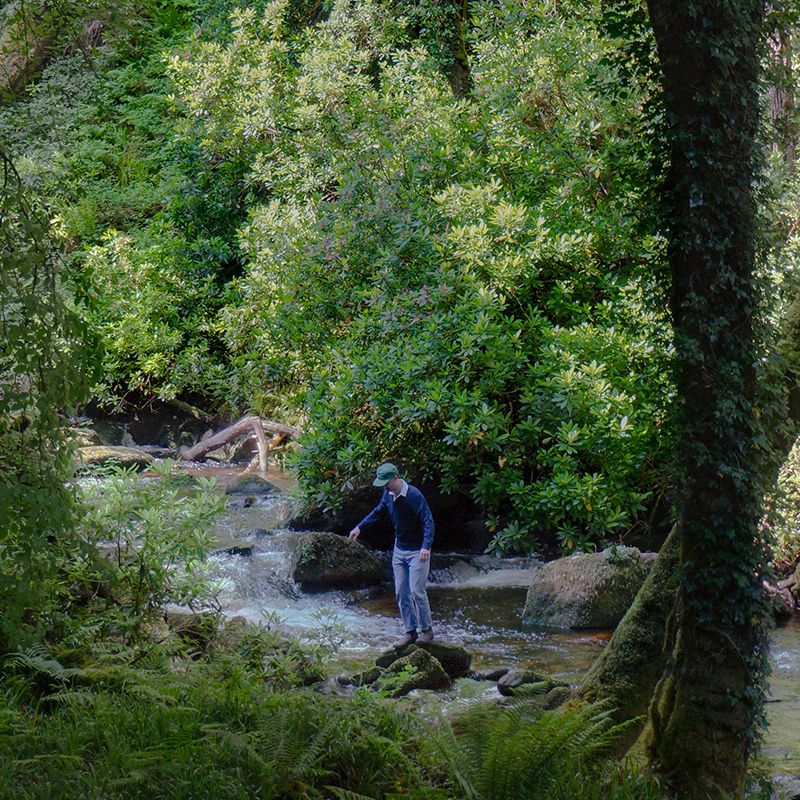
Hike Killarney National Park
Explore lakes, forests, and mountains in Ireland’s first national park. Killarney National Park is stunning year-round and offers trails for every fitness level.
What’s the weather like in Ireland?
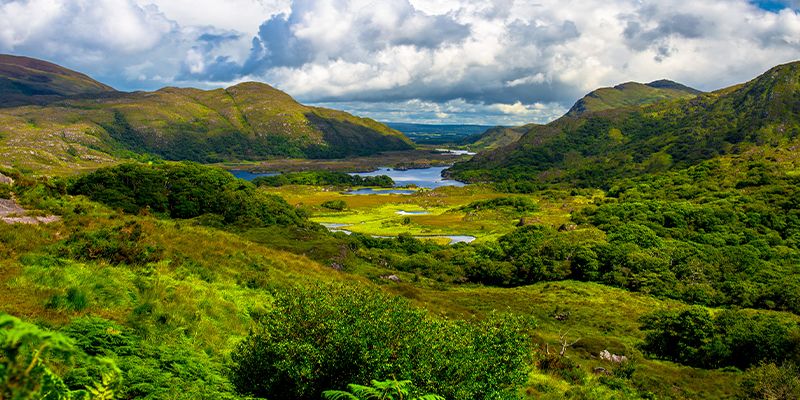
June–August
This is the best time to visit Ireland for warm(ish) weather and long daylight hours. Summer means green landscapes and lively festivals. Expect crowds, especially at the Cliffs of Moher and Ring of Kerry, and higher prices.
April–May & September–October
Shoulder season offers the best balance: fewer tourists, decent weather, and lower prices. Spring brings blooming flowers, while fall offers golden light and harvest vibes. This is ideal for avoiding crowds while still enjoying solid conditions.
November–March
Ireland in winter is cold, wet, and quiet. Tourist sites are less crowded, prices drop, and Irish pubs feel extra cozy. It’s the cheapest time to visit Ireland, but pack layers and waterproofs. Rainy season is basically year-round, but winter sees the most rain.
When is the cheapest time to visit Ireland?
Wondering is Ireland expensive? Timing makes all the difference. Here’s when you’ll find the best value.
What to eat in Ireland?
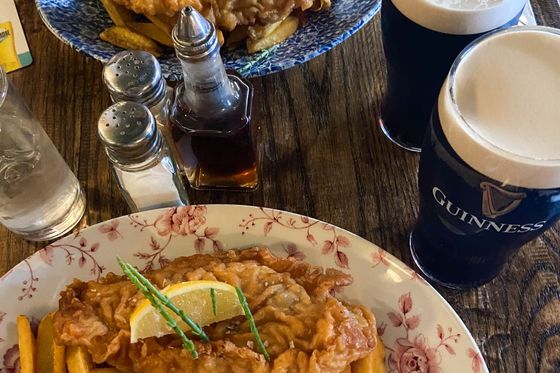
Irish food is hearty, comforting, and rooted in the land and sea. From traditional Irish food in cozy pubs to fresh seafood along the coast, every meal tells a story.
Safety in Ireland
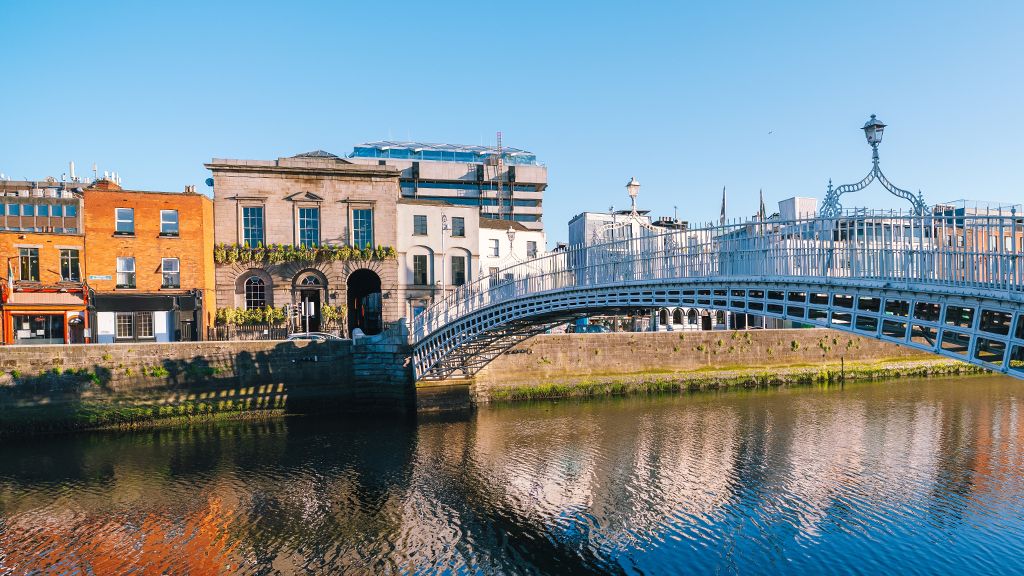
Ireland is one of the safest countries in Europe and solo traveler friendly. Millions of travelers visit every year without incident. Ireland’s crime rate is low overall, but petty theft and pickpockets can happen in crowded tourist areas, so keep an eye on your belongings.
Driving in Ireland: Remember you’re driving on the left in Ireland. Ireland road conditions can be tricky—narrow rural roads, roundabouts, and sheep crossings are common. Take it slow.
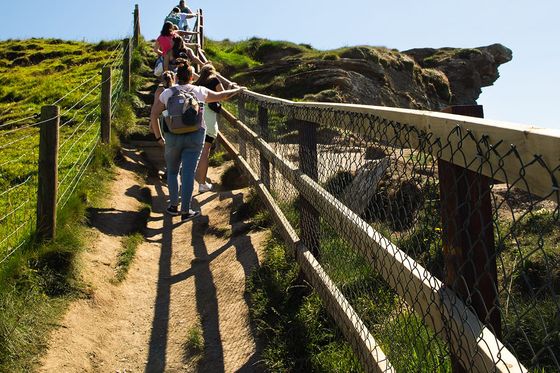
Top things to keep in mind: Weather changes fast here. Bring waterproofs and layers. When visiting cliffs, take safety precautions seriously—stay behind the barriers. Lastly, if you choose to rent a car, drive on the left side and go slow as Ireland has many narrow rural roads, roundabouts, and sheep crossings.
Your safety is our top priority
Traveling with EF Ultimate Break means you’re not exploring Ireland alone—you’ve got a full support system making sure you feel comfortable, informed, and protected every step of the way.
Traveler photos from Ireland
Ireland travel reviews
Our travelers love visiting Thailand, and they aren’t afraid to tell us.



)