)
Traveling to Japan with EF Ultimate Break
Japan’s unmatched year-round
- Culture shock in the best way: It’s the kind of place that rewires your brain. One minute you’re bowing at a 1,000-year-old temple, the next you’re in a seven-story arcade. It’s one big hub of contradictions—ancient and futuristic, quiet and chaotic, traditional and quirky.
- Bucket list heavyweight champ: From Mount Fuji’s perfect silhouette to deer that bow back at you in Nara, Japan delivers moments you didn’t know belonged on your list until you’re living them.
- Worth every yen: Convenience store meals rival restaurants, temples are free or cheap, and public transport is extremely affordable (and efficient).
- First-timer friendly: Japan is great for first time travelers because it’s efficient. Trains run on time, vending machines are on every corner, there’s zero pressure to tip, and it’s incredibly safe.
- Every season delivers: Spring brings cherry blossoms that break the internet. Fall delivers red maple leaves that rival any sunset. Winter means ski slopes and hot springs, and summer brings festivals, fireworks, and beach days.

Language
Japanese is the official language, and while English signage exists in major cities, learning a few key phrases will unlock smiles, better service, and a deeper Japanese cultural experience. Don’t stress about perfect pronunciation—effort goes a long way.

Currency & tipping culture
Japan uses the Japanese Yen (¥), and while the country is becoming more card-friendly, cash still rules for smaller restaurants, street vendors, and traditional spots. The good news? Tipping in Japan restaurants isn’t just unnecessary—it can actually be considered rude.
- Banknotes: ¥1,000, ¥2,000 (rare), ¥5,000, ¥10,000. Coins: ¥1, ¥5, ¥10, ¥50, ¥100, ¥500.
- Credit cards are accepted at hotels, major restaurants, and chain stores, but carry cash for ramen shops, temples, and local markets. Convenience stores (conbini) have ATMs that accept international cards.
- Exchange rates fluctuate, so check current rates before you go. Airport exchanges are convenient but may have higher fees.
Tipping guidelines:
Restaurants, taxis, and hotels: No tipping. Seriously. Exceptional service is the standard, and leaving money can confuse or offend staff.
Local guides: Not expected, but if you had an amazing experience, a small gift from your home country is appreciated more than cash.
General rule: If you want to show gratitude, say “arigatou gozaimasu” with a bow. That’s the currency of respect in Japan.
Transportation
Japan’s transportation network is famously efficient, punctual, and easy to navigate once you get the hang of it. Trains run on time (down to the minute), stations have English signage, and getting around feels like part of the adventure.

Japan’s subway and train system is highly efficient. Get a Suica or Pasmo rechargeable transit card for trains, buses, and even some vending machines.

Many neighborhoods—especially Kyoto, Harajuku, and Shibuya—are best explored on foot. Expect to hit 20,000+ steps a day, so pack comfortable shoes.

Taxis are clean, safe, and everywhere, but $$$. Whereas, Uber is cheaper but only works in major cities.

A Japan MUST. Tokyo to Kyoto takes about 2.5 hours, and if you sit on the right side you can see Mount Fuji.
Long-distance buses are budget-friendly for overnight trips. Local buses in Kyoto are essential for reaching temples outside the city center.

Quick and affordable for longer distances, like Tokyo to Hokkaido or Okinawa. Pro tip: skip the plane and take the train for Tokyo to Kyoto or Osaka.

Japan's iconic destinations
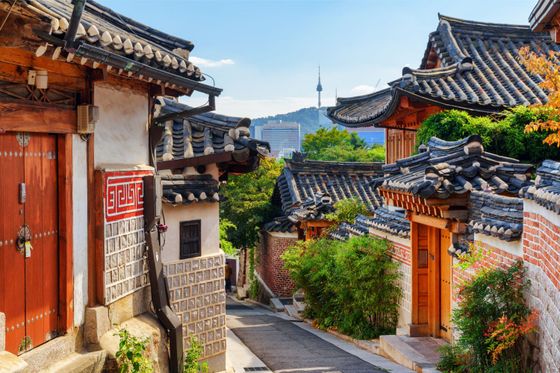
From the organized chaos of Tokyo to the serene temples of Kyoto, Japan’s cities each have their own personality.


Can’t-miss Japanese experiences
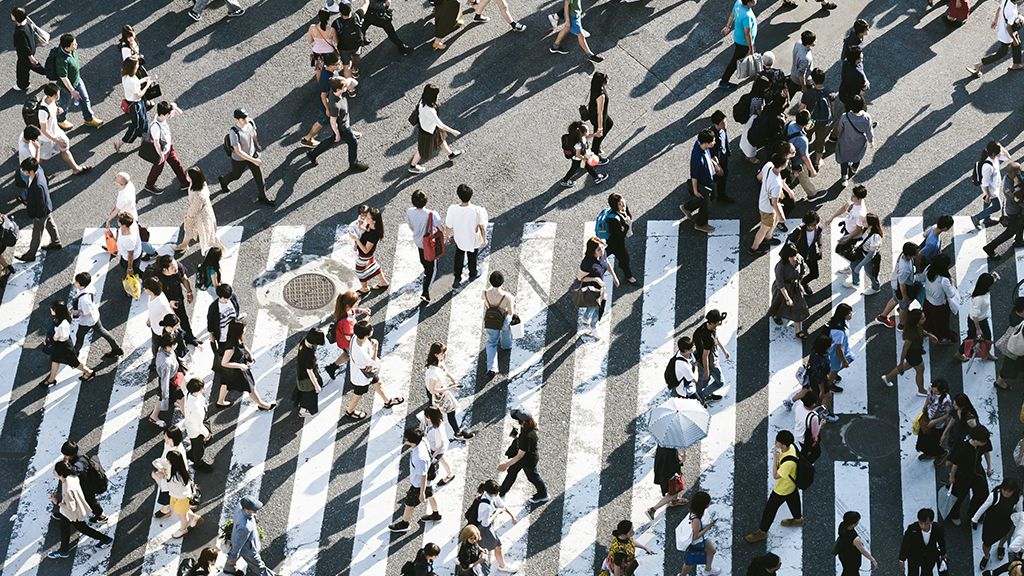
Experience Shibuya Crossing Tokyo
Stand in the middle of the world’s busiest pedestrian crossing as hundreds of people move in organized chaos around you. It's Tokyo in one perfect moment—overwhelming, exciting, and unforgettable.
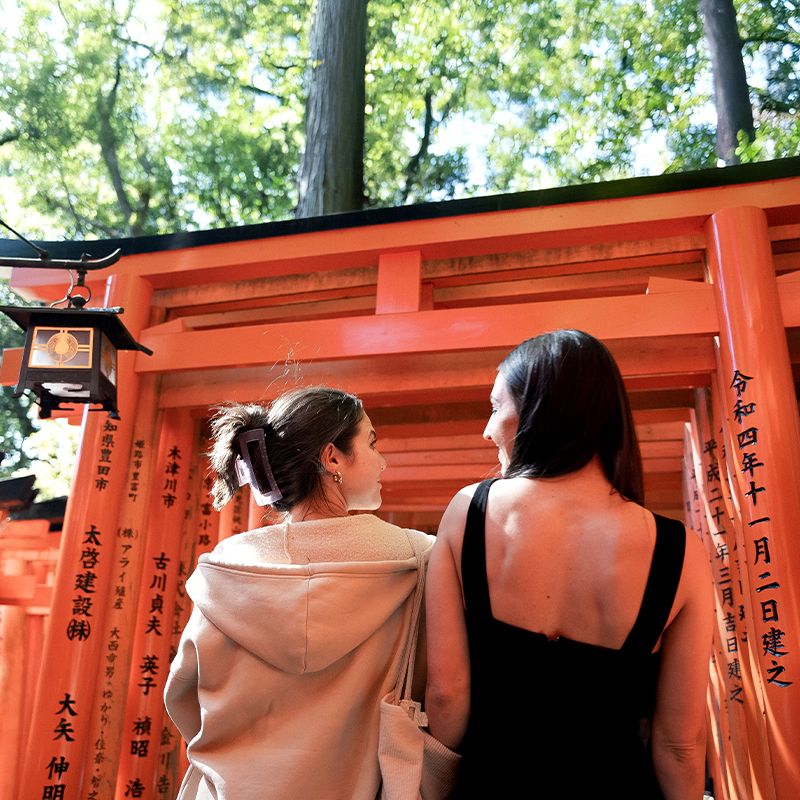
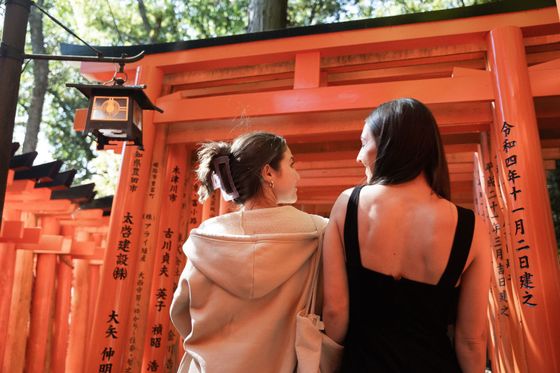
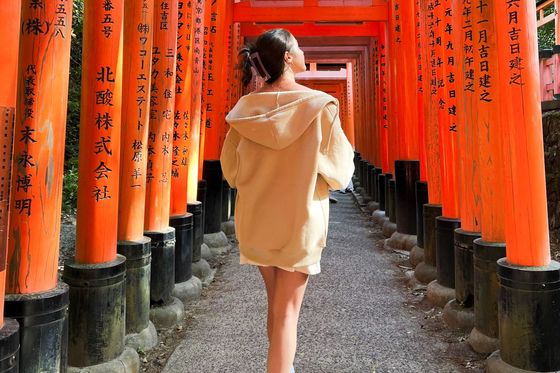
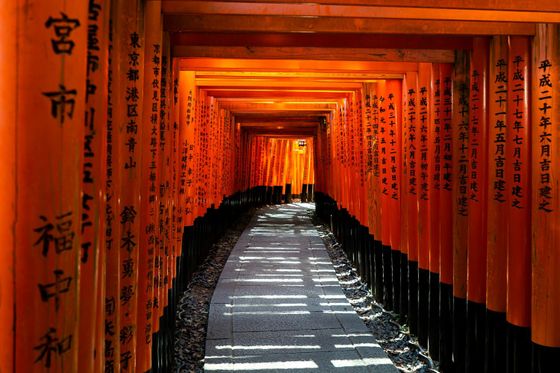
Hike Fushimi Inar’s 10,000 torii gates
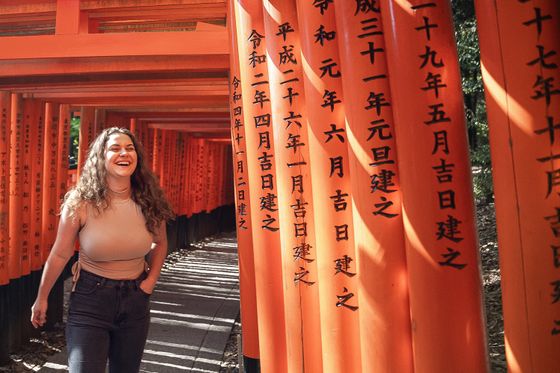
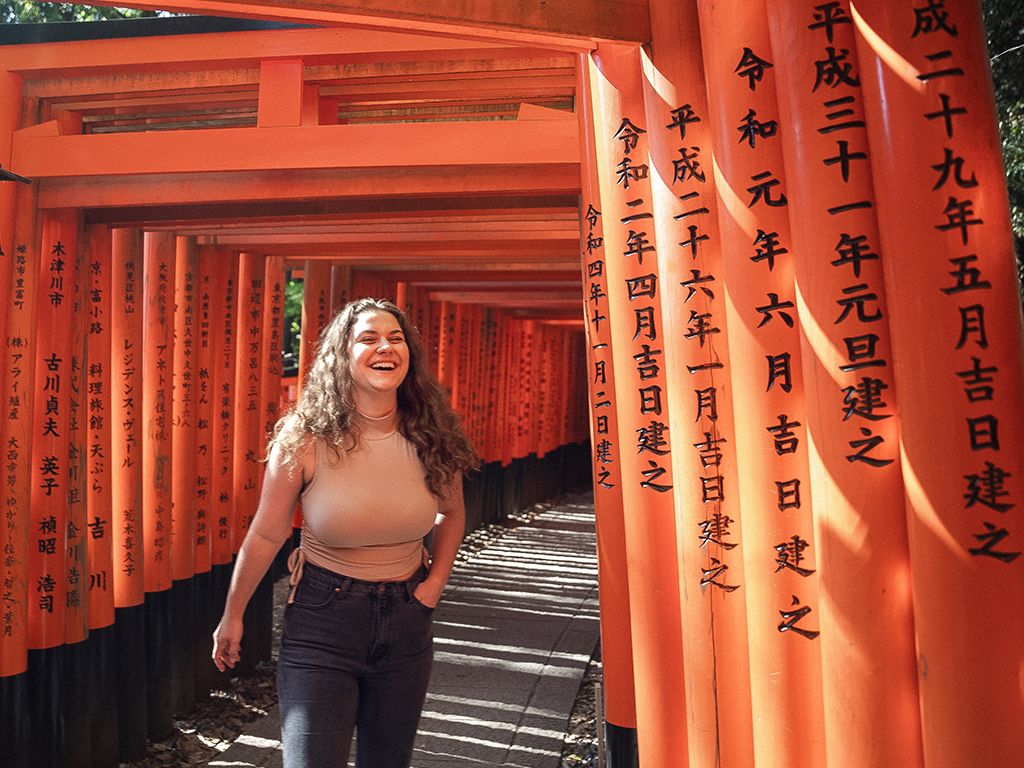
Walk through thousands of bright red gates winding up a mountain. This hike takes you past fox statues, shrines, and Kyoto skyline views.
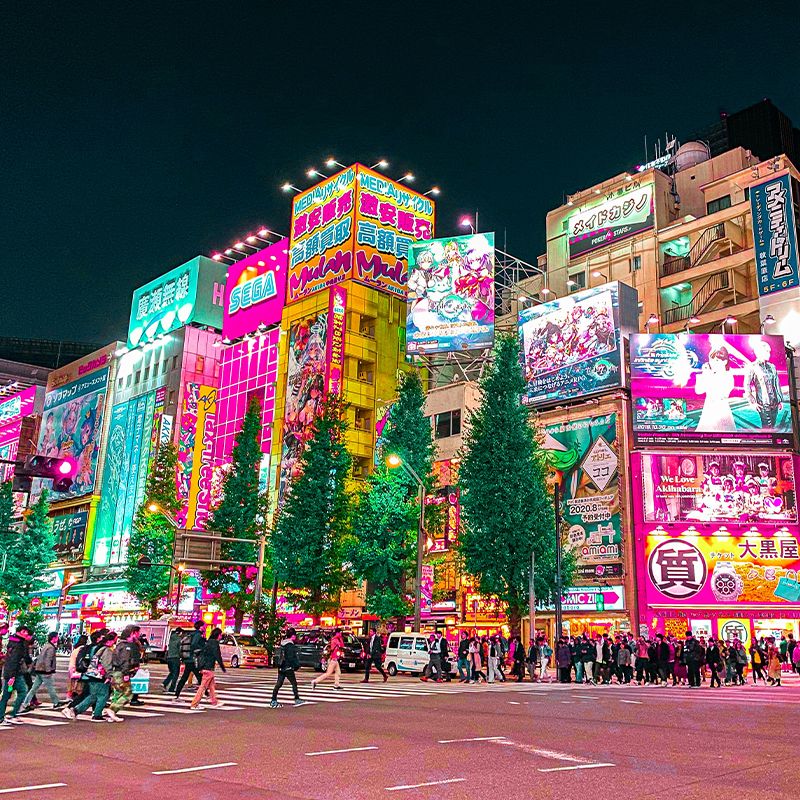
Wander Harajuku and Akihabara
Experience Japan’s hot spring culture, where you’ll strip down, rinse off, and sink into naturally heated mineral water.
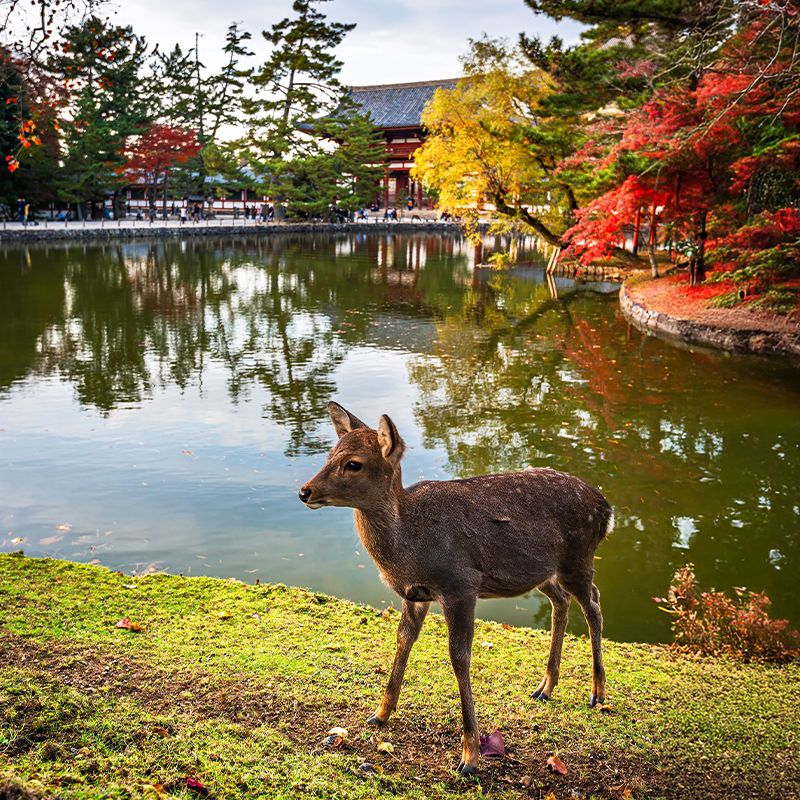
Visit Nara’s deer park
Feed (and bow to) sacred deer who’ve learned to bow back. The deer park visit is equal parts adorable and surreal, with deer roaming freely around the temples.
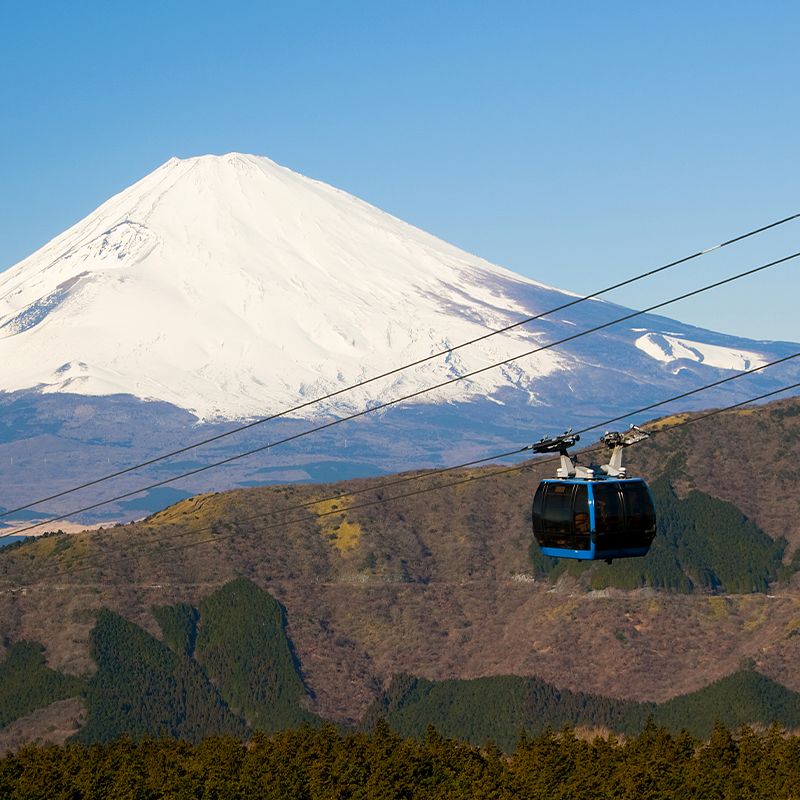
Take a Mount Fuji day trip
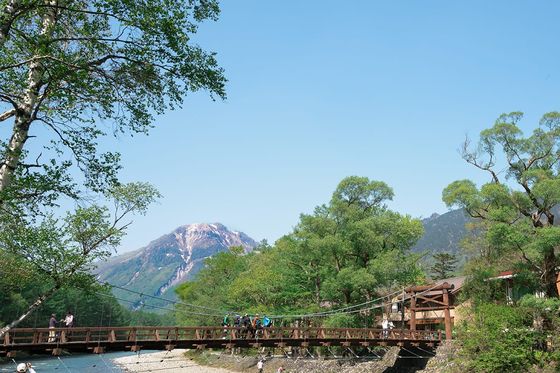
See Japan’s most iconic mountain from Hakone’s lakes and cable cars or get up close on a clear day. Clear views of Mount Fuji depend on the season, but it’s so worth exploring.
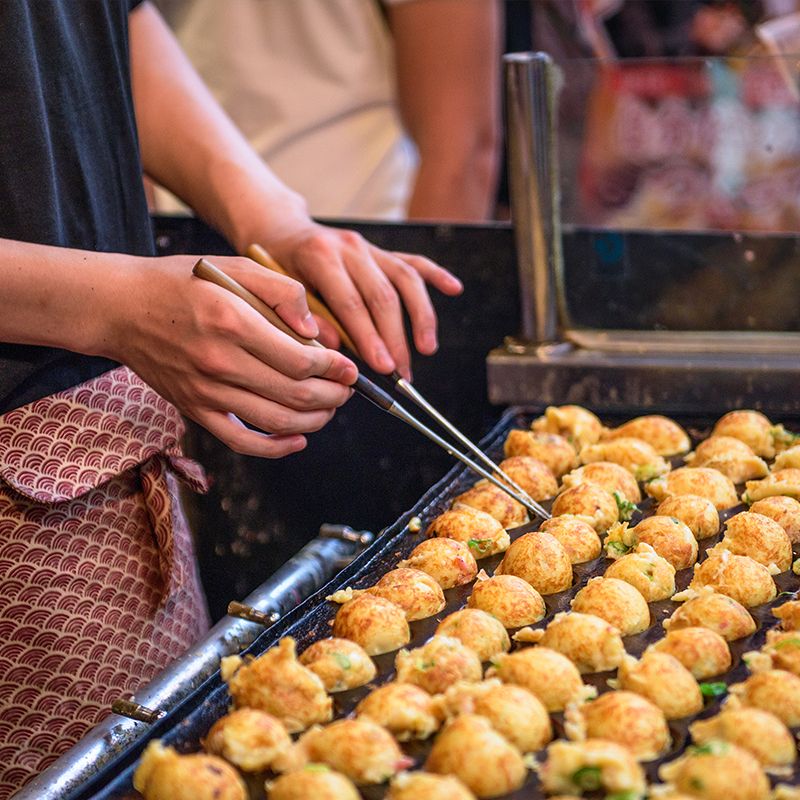
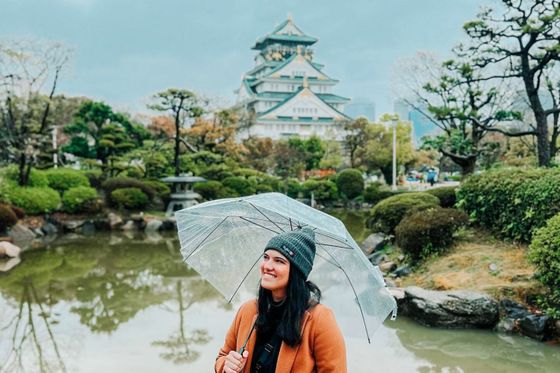
Eat your way through Osaka
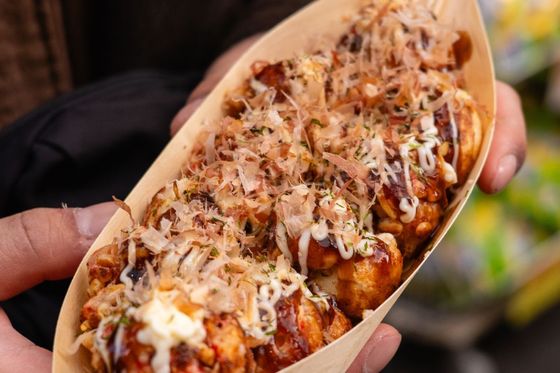
You must try all the iconic foods: takoyaki (octopus balls), okonomiyaki (savory pancakes), kushikatsu (fried skewers), and more.
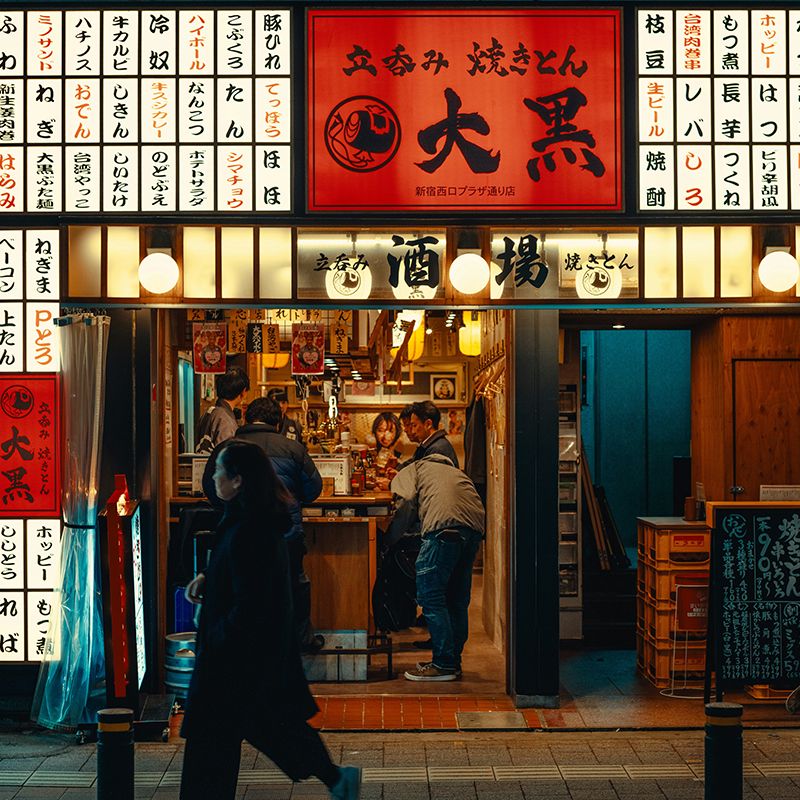
Explore Tokyo’s nightlife
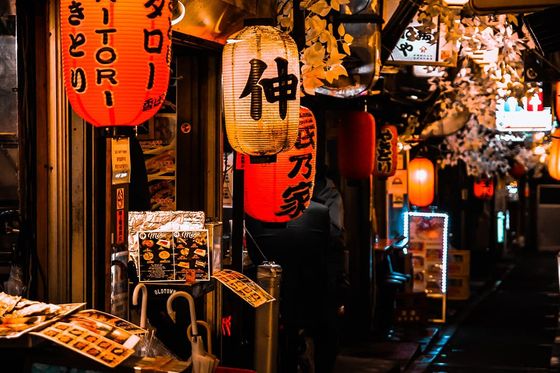
Tiny bars in Golden Gai, karaoke until 5 AM, izakayas for drinks and small plates, and clubs in Shibuya and Roppongi—this city never really sleeps, and neither will you.
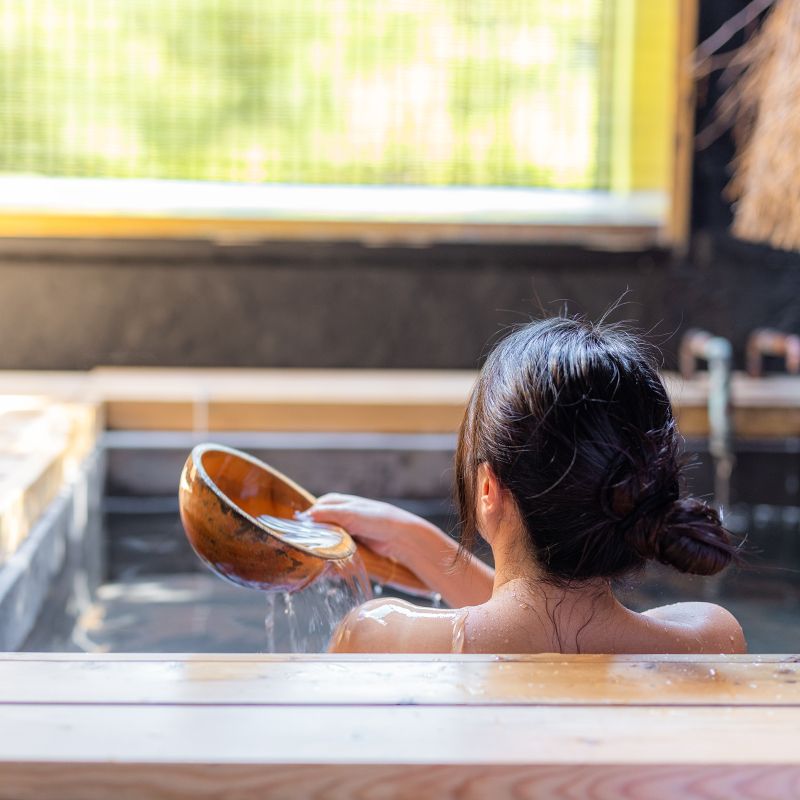
Soak in an onsen
Experience Japan’s hot spring culture, where you’ll strip down, rinse off, and sink into naturally heated mineral water. Tip: check local tattoo guidelines beforehand.
What’s the weather like in Japan?
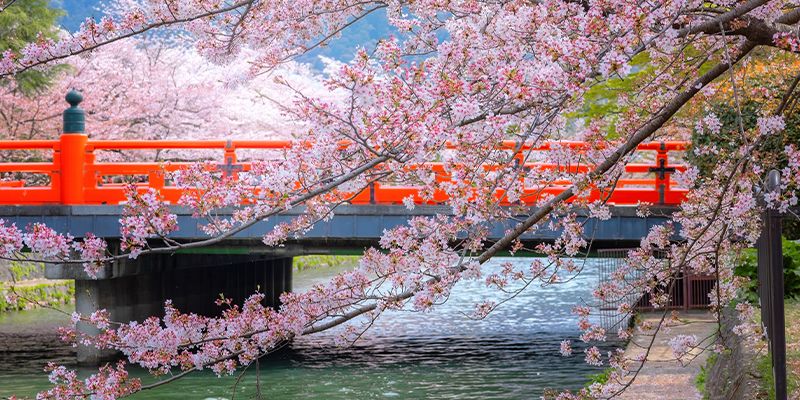
March–May
It’s the ultimate spring vibe. Cherry blossom bloom dates vary by region, but Tokyo and Kyoto begin early April. Temps range from 50-70 °F, so this is the most popular (and crowded) season.
Avoid: Golden Week (late April–early May) when the whole country is on vacay as trains and hotels prices spike.
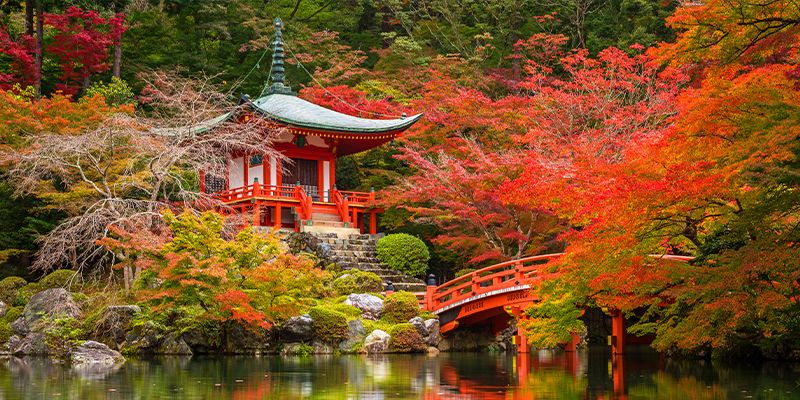
September–November
Fall wins for the best overall travel window with fewer crowds and equally stunning scenery. Best time for autumn leaves in Japan is mid-November, when temples glow red and gold. Temps range from 60–80 °F, ideal for hiking, sightseeing, and everything in between. This is the sweet spot.
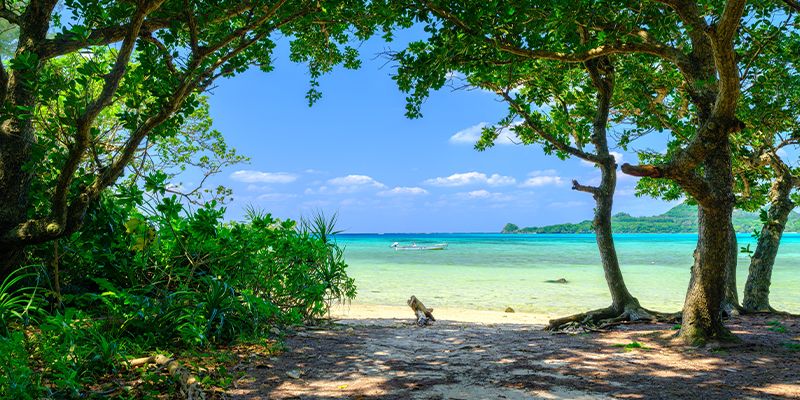
June–August
Japan rainy season hits June, but by July, summer festivals are in full swing. Temps soar to 85-95 °F with high humidity, so pack light and stay hydrated. Typhoon season also begins August–September, but it’s the cheapest time to visit Japan if you can handle the heat and rain.
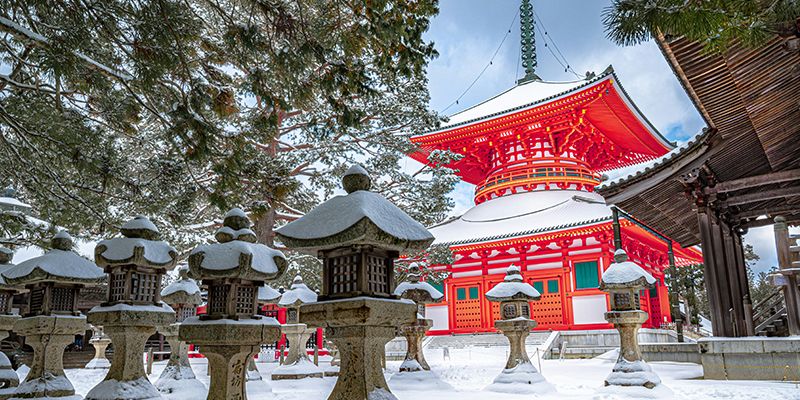
December–February
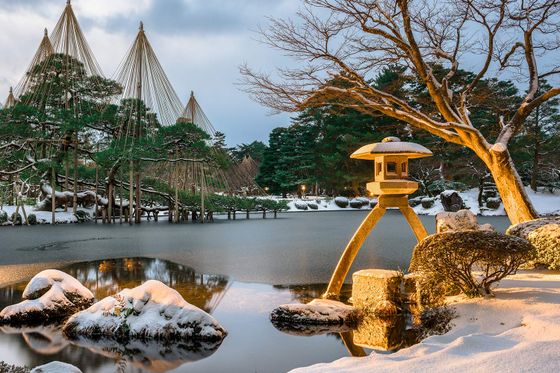
This is the best for budget travelers. Temps drop to 30-50 °F, but you’ll find cheaper flights, fewer tourists, and stunning snow in places like Hokkaido. Holiday illuminations light up Tokyo, and onsen season is peak cozy vibes.
What to eat in Japan?
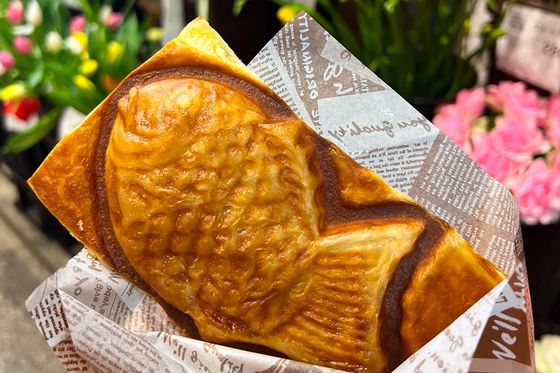
Japanese food is more than sushi. The best food in Japan includes regional specialties, seasonal ingredients, and flavors you didn’t know existed. And yes the rumors are true, convenience store food is genuinely delicious.
Safety in Japan
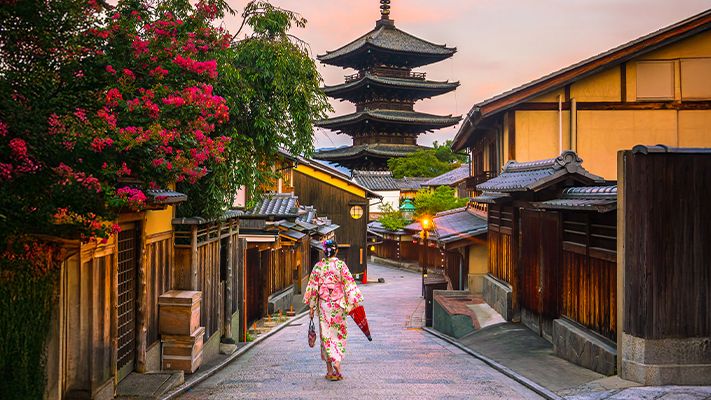
Japan is incredibly safe for tourists and consistently ranks as one of the safest countries in the world, with low crime rates and a culture that values respect and order. Is Tokyo safe at night? For sure. You’ll see people walking alone at midnight, and it feels completely normal.
Japan crime rate for tourists is so low it’s almost non-existent. Violent crime is rare, and petty theft is uncommon. That said, stay aware in crowded areas and keep valuables secure. Japan scams to avoid are minimal but watch for overpriced taxis (use the meter) and tourist traps in busy areas.
The biggest risks in Japan are natural disasters include earthquakes and typhoons. In the event of an earthquake, stay calm, get under a table, and follow local instructions. Buildings are designed to withstand quakes, and locals are prepared.
Bottom line: Japan travel precautions are to bring cash, learn basic phrases, and respect local customs. That’s it.
Your safety is our top priority
Traveling with EF Ultimate Break means you’re not exploring Japan alone—you’ve got a full support system making sure you feel comfortable, informed, and protected every step of the way.
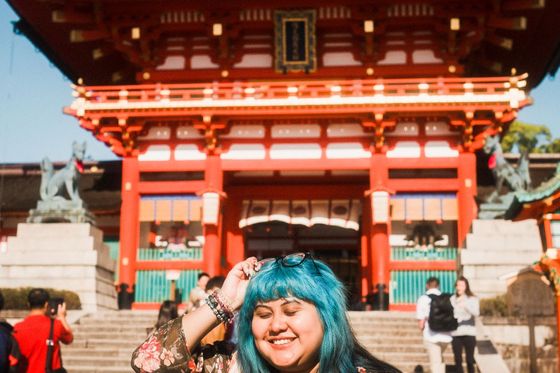
Traveler photos from Japan
Japan travel reviews
Our travelers love visiting Japan, and they aren’t afraid to tell us.