Traveling to South Korea with EF Ultimate Break
South Korea: ancient palaces, neon-lit streets, and a food scene that’s unmatched
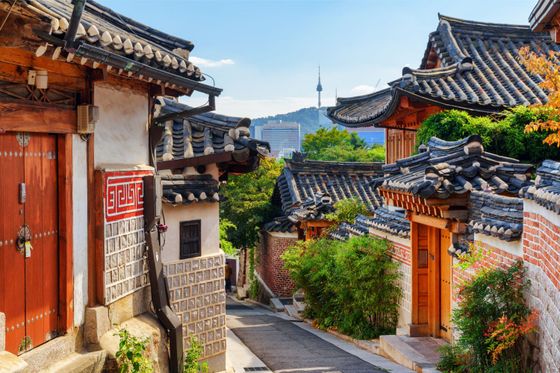
- A country of beautiful contradictions: South Korea holds its history close while sprinting toward the future—and somehow makes both feel effortless. In Seoul, a 600-year-old royal palace sits a few blocks from a glass skyscraper. In Gyeongju, you’re wandering royal tombs by moonlight. In Busan, you’re watching the sun set over the ocean from a beach club.
- Wildlife and nature that surprises you: South Korea isn’t just cities. It’s forested mountain temples, dramatic coastlines, and seaside shrines so picturesque they barely look real. Haedong Yonggungsa Temple clings to the rocky Busan coast. Bulguksa Temple sits on a forested hillside outside Gyeongju, surrounded by mountains. The countryside between Seoul and Busan is lush, quiet, and nothing like what you’d expect.
- Culture you actually get to participate in: Spend the night at a Buddhist temple, practice meditation with monks, and wake up for a sunrise ceremony. Make your own batch of makgeolli at a local expert’s home. Learn to cook traditional Korean dishes and eat what you made. The culture here isn’t a backdrop—it’s the whole point.
- Food, K-pop, and everything in between: Korean food is one of the great culinary experiences in the world. Street food at every turn, banchan that keeps coming, and flavors that are bold, balanced, and completely addictive. Add a K-pop dance class, a noraebang session, and a night market or two, and you’ve got a trip that hits every single note.

Language
Korean (한국어, Hangul) is the official language of South Korea. In major cities and tourist areas, English signage is common and many locals speak conversational English. But, learning a few words goes a long way—Koreans genuinely appreciate the effort, and it usually earns you a smile.

Currency & tipping culture
South Korea uses the Korean Won (₩). It’s a cash-friendly country—while cards are accepted at most hotels and larger restaurants; smaller eateries, street stalls, and markets often prefer cash. Tipping is not expected in South Korea, and in some traditional settings it can even come across as awkward. Service is considered part of the job.
South Korea: Korean Won (₩). Coins: ₩10, ₩50, ₩100, ₩500. Bills: ₩1,000, ₩5,000, ₩10,000, ₩50,000.
Credit and debit cards are accepted at most hotels, larger restaurants, and shops. Smaller spots and street vendors typically prefer cash.
ATMs are widely available in cities and convenience stores (which are everywhere—and open 24 hours). Notify your bank before traveling to avoid blocked transactions.
Tipping guidelines:
- Restaurants: Tipping is not customary in South Korea. No service charge is added to bills, and staff are paid fair wages. A sincere 감사합니다 (thank you), is the best way to show appreciation.
- Cafes & bars: Not expected. No need to round up.
- Taxis & ride-sharing: Not expected. Pay the metered fare and you’re good.
- Hotels: Not customary. A small gesture for exceptional service is fine but never required.
- Tour guides: Not required, but a small, quiet gesture of appreciation is always welcome for an exceptional experience.
Transportation
Getting around South Korea is genuinely easy—the public transportation system is one of the best in the world, and even first-time visitors find it surprisingly simple to navigate.

South Korea’s high-speed rail connects Seoul to Busan in about 2.5 hours. You’ll ride this on your return from Busan—smooth, fast, and scenic.

Extensive, reliable, and well-signed in English. It connects virtually every neighborhood you’d want to visit, including Insadong, Gangnam, and Itaewon.
Comfortable intercity buses connect cities and regions. The views out the window between Seoul and Gyeongju are worth staying awake for.

Metered taxis are widely available and affordable. Kakao T (Korea’s version of Uber) makes it easy to book a ride without flagging one down.

A rechargeable transit card that works on subways, buses, and some taxis across the country. Pick one up at any convenience store and tap your way around.

Seoul, Gyeongju, and Busan are all highly walkable. Some of the best discoveries happen when you slow down and wander.

South Korea’s iconic destinations
From ancient royal palaces to candy-colored hillside villages, these are the places that make a South Korea bucket list worth every penny.


Can’t-miss experiences in South Korea

Spend the night at Bulguksa Temple
A UNESCO World Heritage Site set among mountain forest outside Gyeongju, Bulguksa Temple offers something most trips don’t: a real chance to disconnect. Join monks for meditation, chanting, and a sunrise ceremony. Eat in contemplative silence. Wake up surrounded by mountains. It’s a full digital detox—and one of the most memorable nights of the trip.

Palace-hop through Seoul
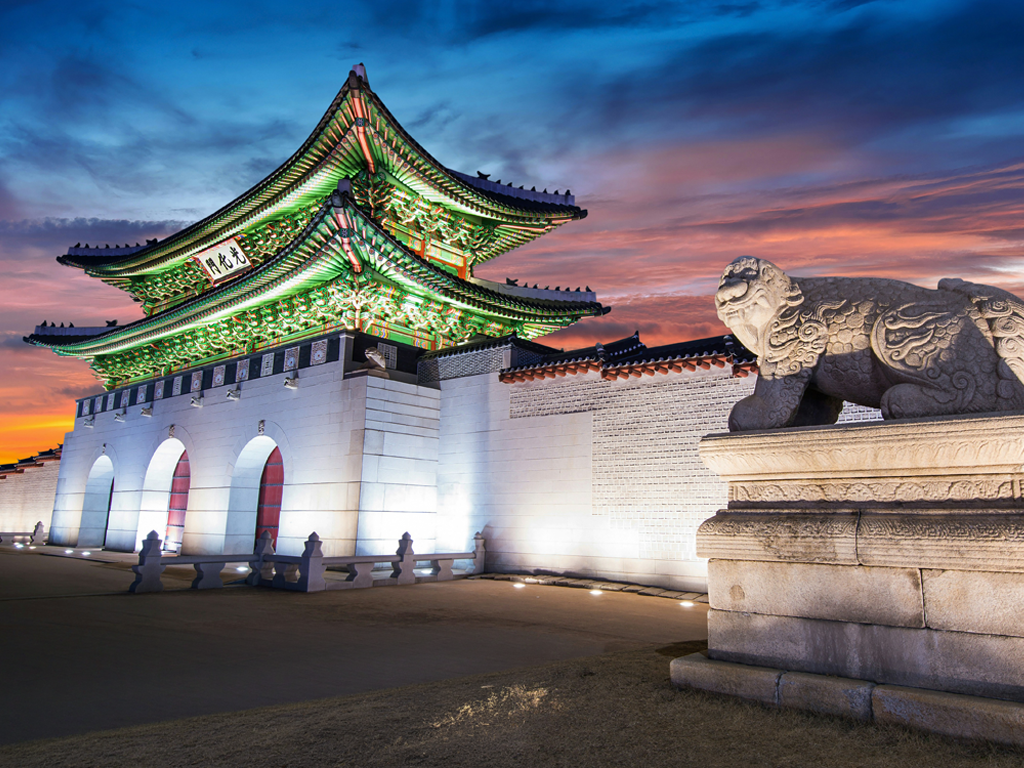
Start at Gyeongbokgung Palace, Seoul’s most iconic royal complex, and watch the changing of the guards—a ceremony dating back centuries. Then snap photos with statues of King Sejong and Admiral Yi Sun-sin at Gwanghwamun Square before exploring the rest of the city.

Make your own makgeolli
At a local expert’s mountain-side home in Busan, you’ll craft your own batch of Korea’s beloved milky rice wine from scratch. Taste-testing is, obviously, included.

Take a K-pop dance class
Learn idol group choreography, get Insta-worthy video proof, and find out just how hard it actually is to make it look that effortless.

Explore Gamcheon Culture Village
Wander the pastel-painted hillside neighborhood that’s been nicknamed the “Machu Picchu of Busan.” Every corner has a mural, a cafe, or a boutique—and every purchase supports the community that built it.

Walk the Dongbaek Island Coastal Promenade
This hour-long coastal path winds from the modern skyscrapers of Bay 101, around the point with stunning ocean views, and ends at Haeundae Beach—with plenty of scenic lookouts along the way.

Tour Donggung Palace by moonlight
Built in 674 CE and illuminated under the stars, this nighttime walking tour through ancient Gyeongju is genuinely magical. One of the most atmospheric experiences around.

Visit Haedong Yonggungsa Temple
One of Korea’s only seaside temples, perched dramatically on the rocky coast just outside Busan. It’s so picturesque it barely looks real—give yourself time to wander.

Cruise the Hangang River
Cap off your time in Seoul with a sunset cruise along the Hangang River. Grab a snack from the onboard cafe, take in the skyline one last time, and let it all sink in.
What’s the weather like in South Korea?

March–May
Spring is arguably the most beautiful time to visit South Korea. Cherry blossoms blanket the country in pink, temperatures are mild and comfortable, and the crowds haven’t hit their summer peak. If you can time your trip around late March to mid-April, do it—the country is stunning.

September–November
Fall foliage transforms the mountains and temple grounds into something out of a painting. Temperatures cool down, crowds thin out, and the whole country feels a little more relaxed. One of the best times to visit Gyeongju and Bulguksa Temple.

June–August
Hot, humid, and full of energy. Summer is peak travel season—more people and higher prices, but also festivals, beach days in Busan, and the city at its most electric. Haeundae Beach is at its best in July and August.
When is the cheapest time to visit South Korea?
If you’re looking to experience South Korea without peak-season prices, timing makes all the difference. Here’s when you’ll find the best value.
What to eat in South Korea?
Korean food is one of the great culinary experiences in the world—bold, balanced, communal, and completely addictive. Meals are built around rice, soup or stew, and a generous spread of small side dishes called banchan that just keeps coming. Street food is everywhere and always worth stopping for.
Safety in South Korea

South Korea is one of the safest countries in the world for travelers. Violent crime is extremely rare; public spaces are clean and well-maintained, and locals are generally welcoming and helpful—even across a language barrier. Solo travelers, first-timers, and group travelers alike consistently feel comfortable getting around.
As with any destination, it’s worth keeping an eye on your belongings in busy markets and tourist areas like Jagalchi Market and Gwangjang Market. Be mindful of your surroundings in crowded spots and follow your Tour Director’s guidance on local customs and etiquette—especially during temple stays, where silence and respect are part of the experience.
Note: South Korea’s UV index can be stronger than expected, especially in summer. Sunscreen is your friend. Tap water is safe to drink throughout the country, so stay hydrated.
Your safety is our top priority
Traveling with EF Ultimate Break means you’re not exploring South Korea alone—you’ve got a full support system making sure you feel comfortable, informed, and protected every step of the way.
Traveler photos from South Korea
South Korea travel reviews
Our travelers love visiting South Korea, and they aren’t afraid to tell us.