The State of Gen Z and Young Millennial Travel, Vol. III
The modern traveler has changed. Expectations are higher and interests are more diverse. We surveyed 1,100 18–35-year-olds to find out what places and lifestyle trends drive their travel choices.

In Volumes I and II of The State of Gen Z & Young Millennial Travel, we met a generation of travelers who prioritize their finances to keep exploring the world. They’re inspired by Netflix hits and BookTok bestsellers, increasingly sober-curious, and drawn to more sustainable travel. They’re also strategic about when and where they travel, navigating inflationary pressures, return-to-office mandates, and, most recently, geopolitical challenges where affordability and safety have become top priorities, particularly for first-time international travelers.
Volume III of The State of Gen Z and Young Millennial Travel shows us that international travel is no longer just about seeing the world. It’s about:
Learning something they can bring home
Restoring their mental and physical health
Belonging to something bigger than themselves
Today’s more discerning 18–35-year-olds are increasingly facing leisure travel deficits with more limited paid time off, often trading souvenirs for skills and life lessons, beach resorts for glamping experiences under the stars, and restorative escapes that leave them ready to tackle the real world again.
They’re also using travel to explore their ancestry, learn regional practices, and return home not just with photos, but with new abilities and a deeper sense of identity.
EF Ultimate Break, a leader in guided, experiential group travel for Gen Z and Millennial travelers, partnered with Qualtrics in December 2025 to survey a representative sample of approximately 1,100 U.S.-based 18–35-year-olds who intend to travel internationally in the next 12–24 months.
Key stats
Europe dominates traveler demand, with 62% of Gen Z and Millennial travelers wanting to visit central, western and Nordic destinations in Europe for their next vacation, cementing the continent’s enduring appeal for the next generation of international explorer.
Young travelers expect to spend $2,000–$4,000 on their next 10-day international trip, suggesting that despite economic pressures, this generation is willing to invest meaningfully in quality travel experiences.
Nearly 60% decide and book international trips within six months, reflecting a shift toward spontaneous, last-minute planning.
90% have taken between one and five microvacations in the past year, a sign of young adult travelers facing the reality of more limited paid time off as we return-to-office.
93% say learning a new skill while traveling is important, underscoring the rise of purpose-driven, skills-based travel.
62% choose glamping over traditional camping, redefining what “outdoorsy” means for young travelers.
By their 30s, 69% say it’s very or extremely important not to feel exhausted after a trip with more regenerative travel becoming more of a focus
92% have chosen or would consider choosing a destination specifically for a digital detox, though most prefer partial rather than total disconnection.
69% have taken trips to trace their family origins or plan to, highlighting travel’s growing role in identity and belonging.

The $3K norm: What young travelers actually spend
Ask a young traveler what they expect to spend on a 10-day international trip, and the answer clusters around one figure: $2,000 to $4,000 USD, with the sweet spot at roughly $3,000.
International travel is still a major financial commitment, but expectations are now clearly anchored around a $3K-ish "normal" spend rather than being perceived as an extravagant, multi-year splurge.
Planning timelines are shorter, too. Nearly 60% typically decide and book within six months of departure, a far cry from the year-plus advance planning that characterized previous generations.
Big trips are less often multi-year splurges and more often treated as sizeable but manageable investments slotted into the coming year. Translation? Travel has moved from "someday" bucket list to "this year" budgeting.
This shift aligns closely with the EF Ultimate Break payment plan and its low down payments, which help make the investment feel attainable for first‑ and second‑time international travelers.

Destinations: Europe still dominates
Europe remains the undisputed leader in young travelers’ dream destinations, claiming roughly 60% of interest when all regions are combined.
And while Europe still commands the majority of wanderlust, no single European sub-region dominates the way it once did. Young travelers are spreading their European dreams across the UK, Scandinavia, and Eastern Europe—and they’re just as likely to fantasize about Tokyo or Seoul as Paris or Rome. Today’s 18–35-year-olds are truly global citizens with appetites that span continents.
The complete ranking of where 18–35-year-olds want to go next:
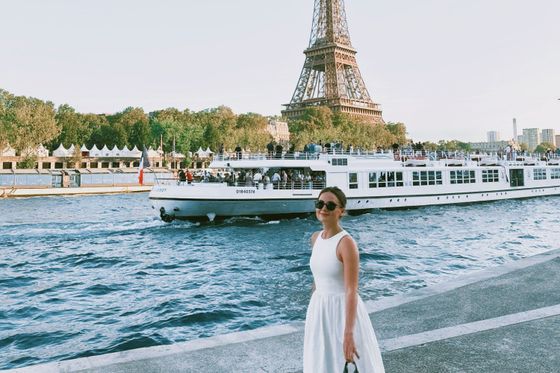
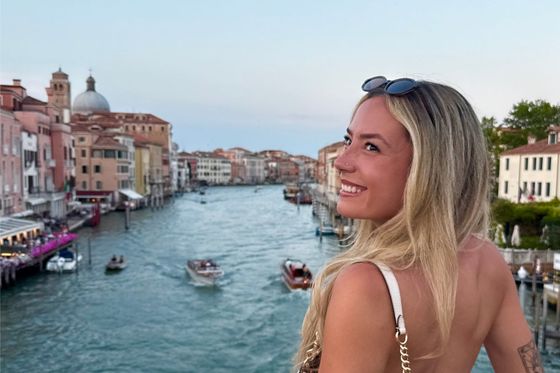
Central Europe (Belgium, Spain, France, Germany, Italy, the Netherlands, Portugal): 29%
Asia (China, Japan, South Korea, Thailand, Vietnam): 28%
Caribbean (Puerto Rico, Cuba): 20%
United States (Domestic): 16%
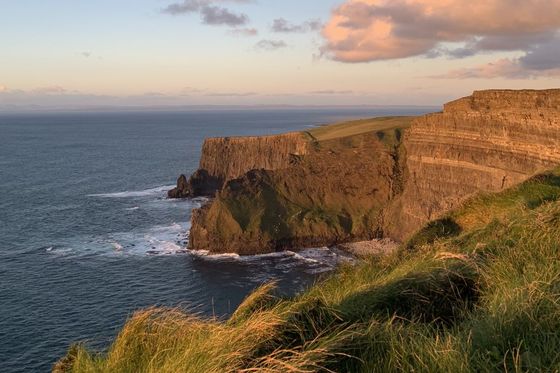
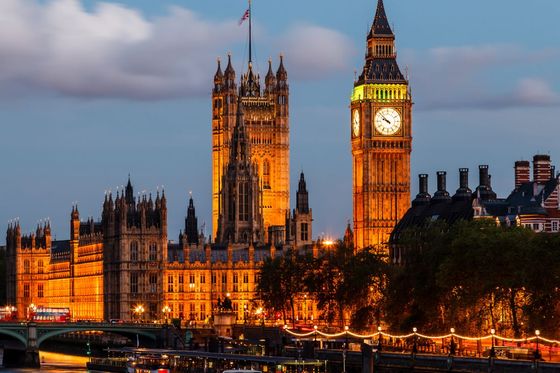
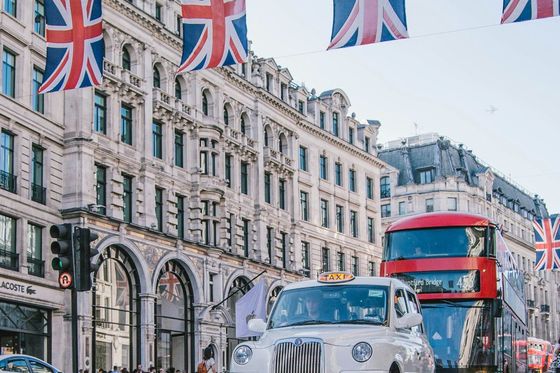
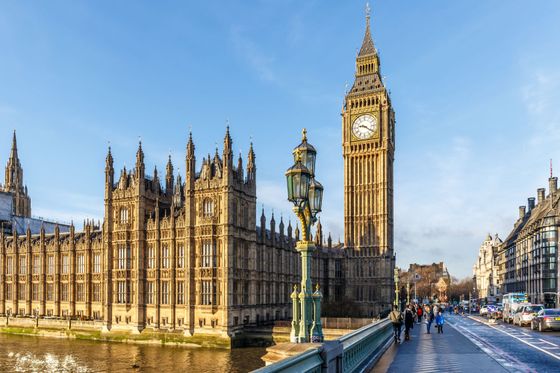
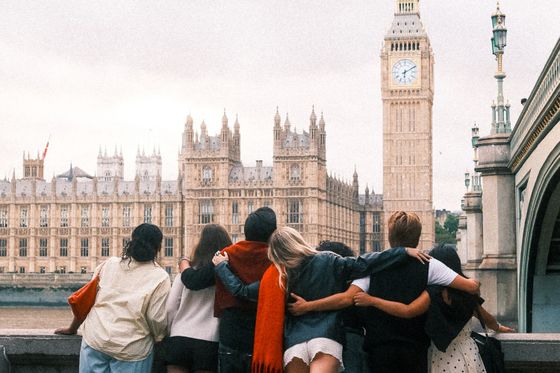
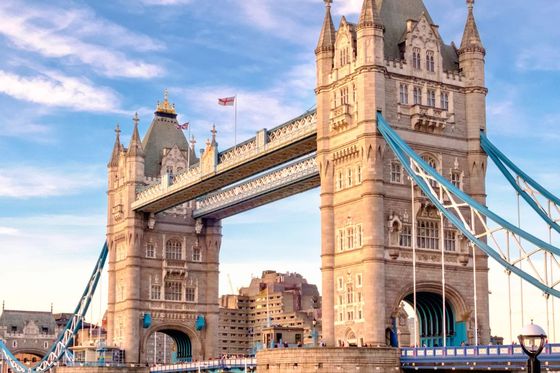
United Kingdom/Ireland: 13%
Canada: 13%
Mexico: 13%
Central America (Costa Rica, Panama, Belize): 12%
South America (Argentina, Brazil, Chile, Peru): 11%
Australia/New Zealand: 9%
Middle East (UAE, Israel, Jordan, Egypt, etc.): 9%
Africa (Kenya, Rwanda, South Africa, etc.): 9%
Scandinavia (Denmark, Norway, Sweden, Finland): 9%
Eastern Europe (Poland, Czech Republic, Slovenia): 8%
South Pacific (Fiji, Tahiti): 7%
Iceland: 3%
Antarctica: 2%

Meet the modern traveler: Foodies, nature lovers, and R&R seekers
When asked to identify their travel persona, young adults revealed what truly drives their wanderlust. The dominant archetype? The foodie.
Nearly half (44%) of respondents said, "I travel through my tastebuds. Local food is the fastest way to understand a culture, and I’m all about trying the real deal: street eats, quirky drinks, and even learning to cook from the pros themselves."
Close behind are nature lovers (36%), who declare, "If it’s outside, I’m in. Hiking trails, trekking mountains, kayaking on lakes, being one with the land on a wildlife safari—just get me into nature and let me explore."
Rounding out the top three are R&R lovers (31%), who simply want "a beach, a spa moment, a little meditation, or quality chill time with my people."

Skills, not souvenirs: The rise of transformative travel
Travel for young adults is shifting from passive sightseeing to active self-development. Nearly half of 18–35-year-olds say they’d choose a trip specifically to learn a new cultural or culinary skill, and they’re willing to invest extra time and money to do it.
The top skills travelers want to learn:
Culinary skills: 52%
Traditional dance or music: 50%
Traditional crafts: 40%
Why do skills matter to them? Personal growth and self-improvement lead the way at 49%, followed by turning travel into a lasting hobby (34%) and deeper cultural immersion (31%).
And they’re not just interested—they’re willing to pay. Nearly 8 in 10 are happy to pay $51 or more per guided, skills-focused experience on their vacation. Some would pay significantly more for the right opportunity.
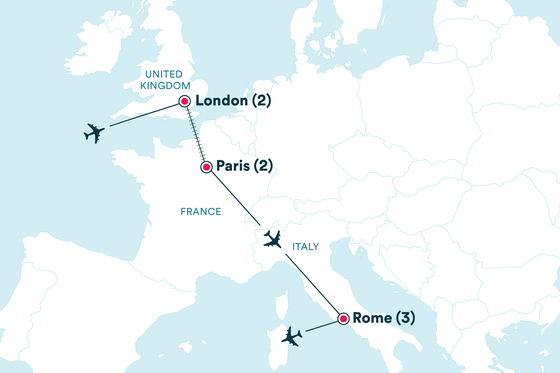
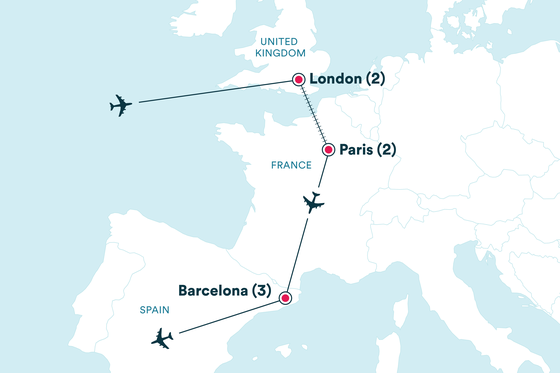
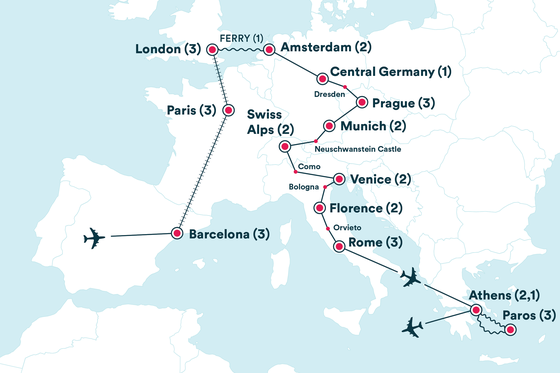
The takeaway: trips aren’t just about where you go anymore. They’re about what you come back with. Young travelers want transformative experiences that leave them with tangible abilities, not just Instagram stories that fade from memory. It’s why experiences like EF Ultimate Break’s pasta making class and meal in Rome—an optional excursion on the multi-country Europe tour Rome, Paris & London tour—resonate so deeply: travelers aren’t just eating their way through Italy tours, they’re learning to cook, too.

The hostel renaissance
Pop culture tells us hostels are for college break trips through Europe. The data tells a very different story.
Myth: Hostels are just for broke, solo backpacking twentysomethings.
Reality: In 2026, trips using more modern, traveler-friendly shared accommodations are starting to appeal to many thirtysomething, high-earning, and even married travelers. This is not your father or mother’s hostel from the 1990s.
Today’s shared accommodations—think places like Jacobs Inn Hostel in Dublin—bear little resemblance to the dingy dorm rooms of decades past. Modern hostels have evolved into design-forward, socially vibrant spaces with private room options, sleek common areas, and the kind of built-in community that solo hotels simply can’t replicate.
Overall, 60% of surveyed travelers say they’re at least somewhat likely to join in on young adult group travel that primarily uses shared accommodations. But here’s where it gets interesting:
Among 30–35-year-olds, that share jumps to 75%, compared to just 46% of 18–24-year-olds.
Among high earners ($100,000 USD+), 81% say they’d be at least somewhat likely to join a hostel-based group trip, versus 45% of those earning less than $50,000 USD.
Married travelers are similarly enthusiastic: 80% say they’d be at least somewhat likely to join a hostel-style group trip, compared to 50% of singles.
This flips the stereotype completely. The oldest and wealthiest young travelers are actually the most open to hostels, and married couples are more comfortable with shared accommodations than singles. Hostels are being reframed as social, design-forward, value-smart bases for group travel, not a last-resort budget option.

Microvacations have gone mainstream
If you haven’t heard of microvacations yet, you will soon. Heck, you probably take them all the time. These 2–4-day trips have exploded in popularity (with many tour operators introducing more week-long or less tours to support the trend of young adults with more limited paid time off in a world returning to the office. Seventy-Three percent of young adult travelers are now familiar with the concept.
Nine in 10 young travelers have taken one to five microvacations in the past year. Almost half now prefer a mix of microvacations and one longer trip per year, fundamentally reshaping how they allocate their limited time off.
Full-time employees are actually more likely than full-time students to have taken at least one microvacation in the past 12 months, and they’re far more likely to say they prefer a year built around multiple short breaks rather than saving everything for one big vacation.
Why the surge? The motivations reveal a generation under pressure:
37% use them for mental health breaks and stress relief
29% are maximizing limited time off
28% cite planning stress (shorter trips equal simpler logistics)
28% simply want to explore new places more frequently
Microvacations aren’t replacing big international adventures. They’re supplementing them, allowing young travelers to satisfy wanderlust more frequently without depleting vacation days or budgets all at once.

Glamping over roughing it: Redefining outdoorsy
When presented with the choice between glamping and traditional camping, 62% of young travelers choose glamping. Among self-identified Nature Lovers, that number jumps to 71% for glamping versus just 49% for camping.
This insight reframes how we think about "outdoorsy" Gen Z and young Millennials.
They’re clearly open-minded about where they’ll sleep—tents, treehouses, tiny homes—but they’re not romanticizing suffering.
Modern young travelers want nature, but with thoughtful design. They want adventure, but not at the expense of a good night’s sleep. They want to disconnect from the digital world, but not from comfort.

Sleep, then see: itineraries built around rest
Remember when exhaustion after a trip was a point of pride? "I need a vacation from my vacation!" was practically a travel mantra. Not anymore.
By their early 30s, roughly two-thirds (69%) of young travelers say it’s very or extremely important not to feel exhausted after a trip, and only about 4% reject the idea of a sleep-focused travel experience.
The shift is stark across age groups:
18–24: 49% say “not feeling exhausted after a trip” is very or extremely important.
25–30: 65% say the same.
30–35: 69% say the same.
What’s driving interest in sleep-focused trips? A combination of improving overall sleep quality, stress reduction, mental health benefits, physical recovery, and learning better sleep habits to bring home.
As young travelers age into their 30s, the idea of coming home exhausted feels like a trip failure, not a badge of honor. The new aspiration? Return from vacation actually feeling rejuvenated, rested, and ready to re-enter regular life.
Digital detox, yes...but in small doses
Young travelers are burned out by constant connectivity. More than 8 in 10 (83%) say they sometimes, often, or always feel the need to step away from their phones, signaling widespread digital fatigue.
But here’s the thing: travelers want relief from screens, not total disconnection.
The data reveals:
92% have chosen or would consider choosing a vacation that includes a digital detox experience
1–3 days offline is the comfort zone for most travelers
Only 10% are comfortable disconnecting for a full week or more
73% are interested in trips that mix offline time with limited, essential connectivity
The takeaway is clear. In 2026, travelers would love a partial digital detox—a few intentional offline days, followed by just enough Wi-Fi to stay grounded. They don’t want to disappear entirely. They want structured balance.

Gen Z is already using travel to explore their identity
The United States is still largely a county of immigrants, or at least the descendants of immigrants (unless of course, a resident is an indigenous American). Among 18–24-year-olds, 29% of young travelers with ancestors outside of the U.S. and Canada have already traveled to connect with their family roots by visiting their origin countries or regions, exploring family history, or experiencing the culture their grandparents or great-grandparents grew up in.
Let that sink in.
Before a young traveler has even finished college, before marriage, before kids, before peak earning years, nearly a third of 18–24-year-olds are already using their very first big trips to explore who they are and where they come from.
Across all age groups (18–35-year-olds), 69% of travelers surveyed have taken trips to trace their family origins or plan to. And 30% want to go deeper: learning traditional practices, recipes, crafts, or customs tied to their heritage while traveling, not just touring historic sites but actively engaging with their roots.
This isn’t your typical sightseeing. Young travelers are treating international trips as opportunities for self-discovery. They’re visiting the Italian village their great-grandmother emigrated from, learning traditional Irish step dancing, taking cooking classes to master their family’s regional cuisine, or hiking trails their ancestors once walked. It’s travel driven by identity and belonging, not just bucket list bragging rights.
The travel industry is responding, building more ancestry-focused itineraries, genealogy tourism packages, and culturally immersive experiences that help young people connect with their family homelands and heritage.

The bottom line
What emerges from this data isn’t a group of reluctant travelers navigating a world that’s too expensive or too complicated. It’s a generation that has decided, loudly and clearly, that travel is non-negotiable. They’re booking smarter, spending intentionally, seeking connection over consumption, and bringing their whole selves to every trip. The world is wide open, and these generations are more than ready to go.
Methodology and media contacts
This survey was sponsored by EF Ultimate Break and questions were co-developed and directly fielded by Qualtrics Research. A representative sample size of more than 1,000 United States and Canadian respondents, ages 18 to 35, participated in the survey in December 2025.
For media, researchers or other interested parties interested in learning more about this study, please email Clara Tuttle, clara.tuttle@ef.com or Brian Hoyt, brian.hoyt@ef.com, from EF World Journeys.




















)

)
)


)





)


)