Traveling to Australia & New Zealand with EF Ultimate Break
Australia & New Zealand: mountaintops, coral reefs, and nonstop adventure
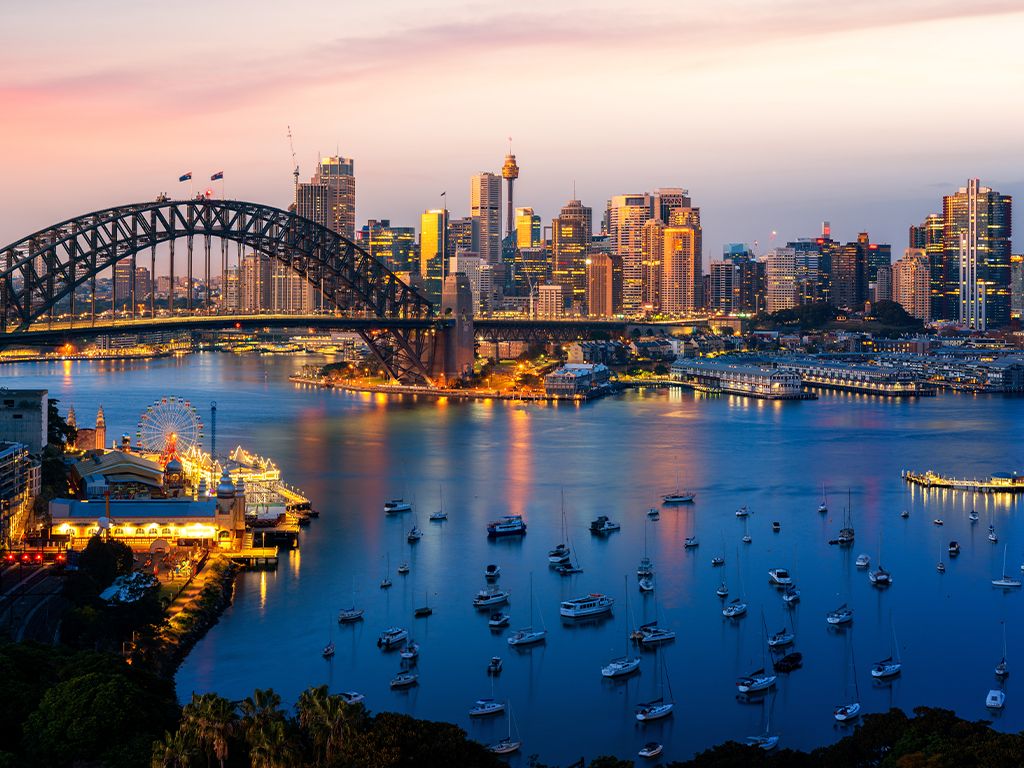
Two destinations, one epic trip: Together, they deliver one of the most varied and jaw-dropping travel experiences on the planet. Australia is sun-baked beaches, tropical rainforests, and cities that somehow feel both laid-back and electric. New Zealand is dramatic fjords, volcanic landscapes, and mountains that look like they were designed for a fantasy film.
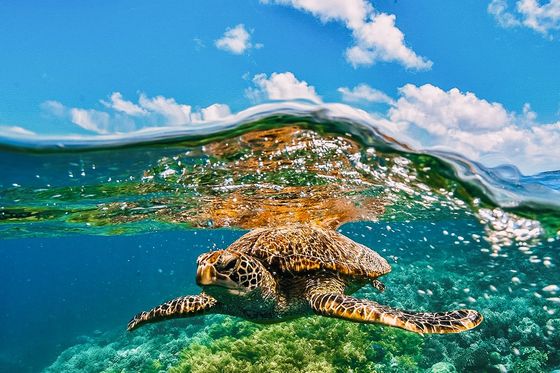
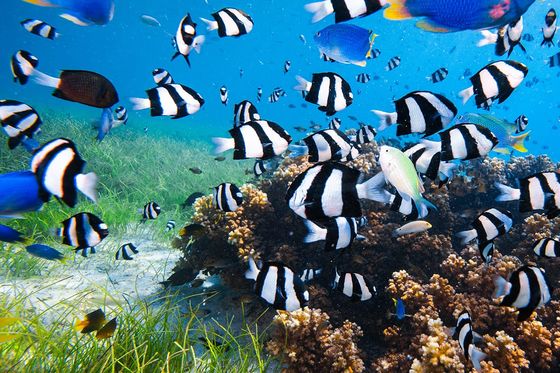
Wildlife unlike anywhere else: Australia wildlife is famously bizarre and wonderful. Koalas dozing in eucalyptus trees on Magnetic Island. Hector’s dolphins playing in Akaroa Harbour. Dugongs and clownfish darting through coral gardens on the Great Barrier Reef. Little blue penguins waddling up Summerlands Beach.
Adventure at every turn: Queenstown is widely considered the adventure capital of the world, with bungee jumping, skydiving, jet boating, and white-water rafting all on the menu. Australia’s backpacking culture is strong with coastal trails and hot-air balloon rides.
Food, culture, and good vibes: Australian food is casual, multicultural, and genuinely delicious. Melbourne’s laneway restaurants draw from Vietnamese, Chinese, Sri Lankan, and Italian influences. Sydney’s brunch scene is world-class. And the flat white coffee—supposedly invented in Melbourne—is a non-negotiable daily ritual. New Zealand food is equally worth exploring, from a traditional hangi feast to fresh seafood and world-class Sauvignon Blanc on Waiheke Island.

Language
English is the official language in both Australia and New Zealand, so communication is easy. That said, both countries have their own distinct slang and cultural vocabulary—and in New Zealand, te reo Māori is an official language woven into everyday life. Learning a few words shows respect and will earn you instant goodwill from locals.

Currency & tipping culture
Australia uses the Australian Dollar (AUD) and New Zealand uses the New Zealand Dollar (NZD). Both are cashless-friendly countries—credit and debit cards are accepted almost everywhere, including small cafes and markets. Tipping is not expected in either country.
Australia: Australian Dollar (AUD). Coins: 5c to $2. Bills: $5, $10, $20, $50, $100.
New Zealand: New Zealand Dollar (NZD). Coins: 10c to $2. Bills: $5, $10, $20, $50, $100.
Credit and debit cards are accepted almost universally in both countries. Contactless payment (tap-to-pay) is the norm.
ATMs are widely available in cities and tourist areas. Notify your bank before traveling to avoid blocked transactions.
Tipping tips:
Restaurants: Tipping is not customary in Australia or New Zealand. Service charges are not added to bills, and staff are paid fair wages. That said, leaving a few dollars for exceptional service is always appreciated.
Cafes and bars: Not expected. Rounding up is a kind gesture but not required.
Taxis and ride-sharing: Not expected. Rounding up is polite but optional.
Hotels: Not customary, but a few dollars for porters or housekeeping is appreciated.
Local guides: Not required, but $10–20 AUD/NZD per person for an exceptional experience is a generous and welcome gesture.
Transportation
Getting around Australia and New Zealand is straightforward, with reliable domestic flights, buses, ferries, and trains connecting cities and regions.

The distances in Australia are vast—flying between Melbourne, Cairns, and Sydney saves days of travel time. New Zealand’s two islands are also connected by domestic flights.

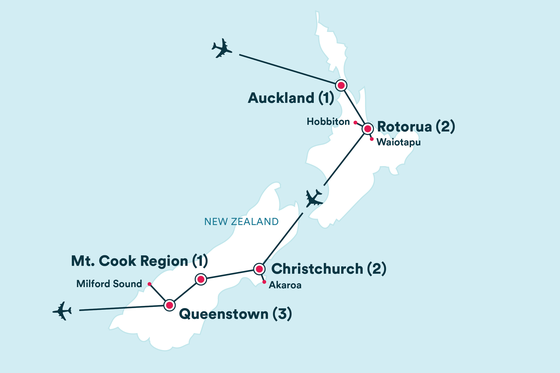
Comfortable private coaches connect cities and regions like Cairns to Townsville to Airlie Beach, or Christchurch to the Mount Cook region. The views out the window are half the experience.

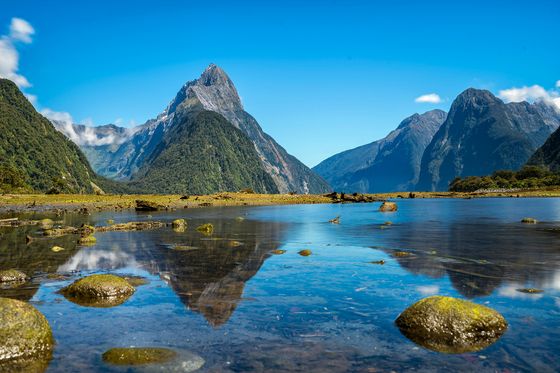
Ferries are essential for island hopping—from Brisbane to Moreton Island, from Townsville to Magnetic Island, and from Queenstown into the fiords of Milford Sound.

Sydney’s train network is efficient and easy to navigate. New Zealand’s scenic rail routes are also worth experiencing if you have extra time.

Uber and taxis are reliable in major cities across both countries. Driving in both regions is straightforward as roads are well-maintained and traffic drives on the left.

Both countries have incredibly walkable cities. Sydney’s coastal paths, Melbourne’s laneways, Queenstown’s waterfront, and Christchurch’s riverside are all best explored on foot.

Australia and New Zealand’s iconic destinations
From tropical reefs to volcanic hot springs, these are the places that make an Australia and New Zealand bucket list worth every penny.


Can’t-miss experiences down under
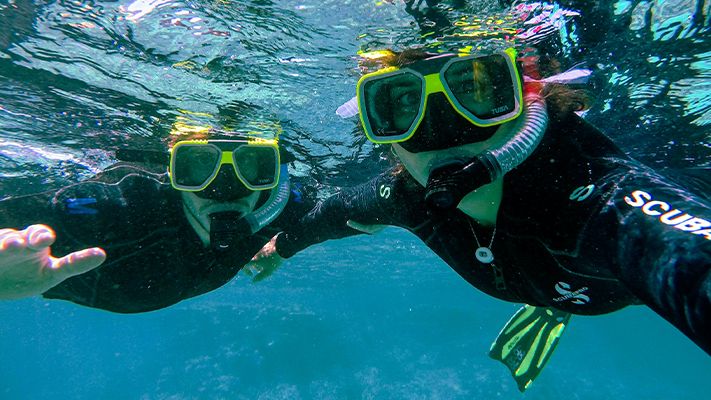
Snorkel the Great Barrier Reef
Getting into the water here—surrounded by coral gardens, clownfish, dugongs, and the sheer scale of it all—is something you’ll be talking about for years. You’ll also step into an underwater observatory built directly into the reef, watching the fish up close without getting your hair wet.

Surf Bondi Beach
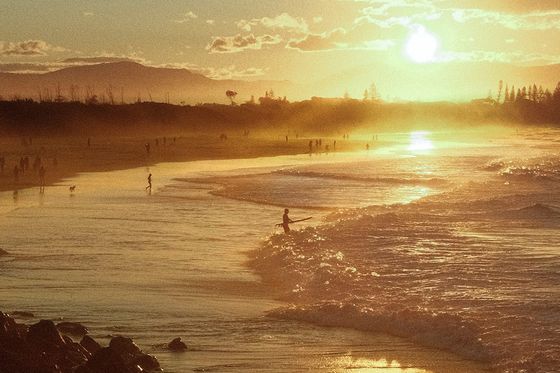
Spend the day swimming, sunbathing, or taking the Bondi to Bronte coastwalk along the sandstone cliffs. An optional surf lesson from a local pro is available for those who want to hang ten.

Sail the Whitsundays
Airlie Beach is your launching pad for a sailing adventure through the Whitsunday Islands. Anchor off Whitsunday Island, swim in crystal-clear water, and watch the sun go down over the Coral Sea.

Watch the penguins
Every evening at Phillip Island Nature Park, hundreds of little penguins waddle up from the ocean and head home for the night. It’s one of Australia’s most iconic wildlife experiences—and it never gets old.

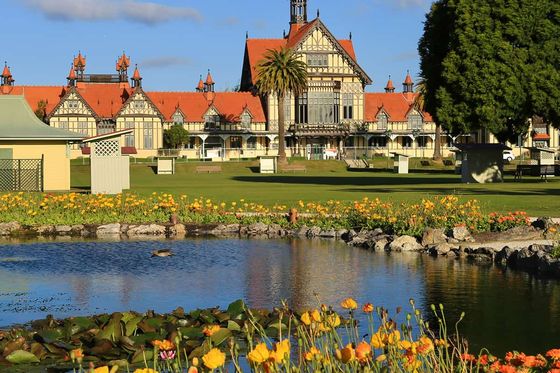
Explore Rotorua’s geysers
Rotorua is where the earth literally bubbles. Geysers, mud pools, and steaming vents make this one of New Zealand’s most unique stops—and the Polynesian Spa is the perfect way to end the day.

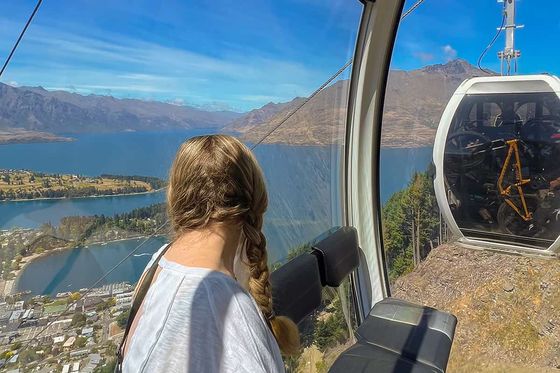
Climb Bob’s Peak
Take the gondola up Bob’s Peak for panoramic views over Queenstown and Lake Wakatipu. It’s one of those views that earns its own photo album.

Discover Waiheke Island
A short ferry ride from Auckland, Waiheke Island is all rolling vineyards, olive groves, and laid-back beach vibes. It’s the kind of place you stumble into and immediately start planning your return.

Experience Māori culture
A visit to a living Māori village in Rotorua is a truly meaningful experience. The Tūhourangi Ngāti Wāhiao people share their traditions, their connection to the land, and their history.
What’s the weather like in Australia and New Zealand?

June–August
Here’s the thing about Australia seasons: when it’s summer in the Northern Hemisphere, it’s winter down under. “Winter” in Australia means mild temperatures, clear skies, and far fewer tourists. This is the best time to visit the Great Barrier Reef and Queensland (Cairns, Airlie Beach, the Whitsundays), where temps are warm and comfortable. In New Zealand, ski season runs June through September, making Queenstown lively.

March–May & September–November
The shoulder seasons offer the best of both worlds: pleasant weather, thinner crowds, and slightly lower prices. Avoiding crowds is much easier in these windows. Spring (September–November) in Australia brings wildflowers and warming temperatures. Autumn (March–May) in New Zealand delivers stunning fall foliage.

December–February
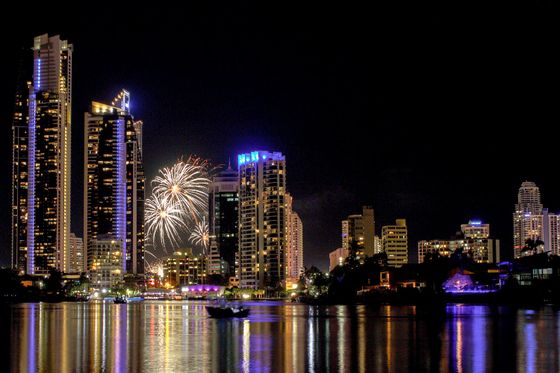
Australia in summer is hot, vibrant, and full of energy. Sydney and Melbourne buzz with outdoor festivals, Bondi Beach is at its most iconic, and New Year’s Eve on the Gold Coast is one of the great party experiences in the Southern Hemisphere. The trade-off: higher prices, bigger crowds, and intense heat in some regions.
When is the cheapest time to visit Australia and New Zealand?
If you’re looking to experience Australia and New Zealand without peak-season prices, timing makes all the difference. Here’s when you’ll find the best value.
What to eat in Australia and New Zealand?
Australian food culture is casual, multicultural, and genuinely excellent, pulling from Vietnamese, Chinese, Sri Lankan, and Italian influences. New Zealand food leans into fresh, local ingredients: lamb, seafood, and wine are all a must. Both countries have a strong cafe culture and an obsession with quality produce.
Safety in Australia and New Zealand
Both countries are considered very safe for travelers, with low violent crime rates and well-developed tourism infrastructure. That said, Australia’s natural environment comes with a few things worth knowing before you go.
Australia is home to some of the world’s most venomous creatures—spiders, snakes, and box jellyfish among them. In practice, encounters are rare but always follow local advice: check your shoes in the morning, heed beach warning flags, and never swim in unflagged areas where crocodiles and box jellyfish can be present.
New Zealand on the other hand is generally very safe with minimal wildlife hazards. Standard travel awareness applies though—keep an eye on your belongings in busy areas and follow trail safety guidelines when hiking.
Note: The UV index in Australia and New Zealand is no joke. Sunscreen, a hat, and staying hydrated aren’t optional—they’re essential. Tap water is also safe to drink in both regions so hydrate hydrate hydrate!
Your safety is our top priority
Traveling with EF Ultimate Break means you’re not exploring Australia and New Zealand alone—you’ve got a full support system making sure you feel comfortable, informed, and protected every step of the way.
Traveler photos from Australia and New Zealand
Australia and New Zealand travel reviews
Our travelers love visiting New Zealand, and they aren’t afraid to tell us.




)