Run Athens: Your Ultimate Guide to the Athens Marathon
Get expert tips from 2019 champion Eleftheria Petroulaki on training, pacing, and race-day logistics for the Athens Marathon. Prepare smarter, run stronger, and experience an unforgettable race.

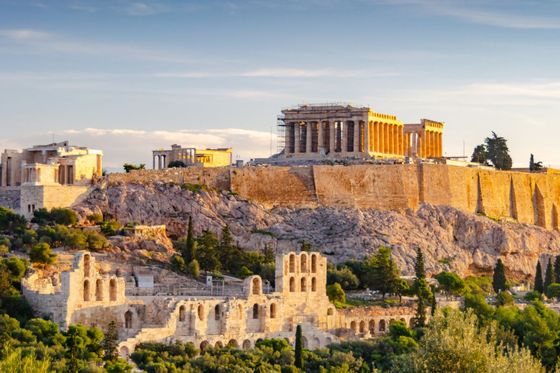
In Athens, a city where history echoes through every street, runners from around the world gather each November to take on one of the most iconic courses in the sport.
This year, EF Ultimate Break teamed up with Eleftheria Petroulaki—2019 Athens Marathon champion and seasoned running coach—to help travelers understand the race, the course, and how to prepare like a pro. Alongside insights from Panagiotis, our Tour Director in Greece, and stories from past Ultimate Break runners, here’s everything you need to know before you lace up in Athens.

The race weekend at a glance
Run Athens takes place over two exciting days in early November. Saturday kicks things off with 5K events and community races throughout the city. Sunday is the big one: the full Athens Marathon and a 10K that starts in central Athens and finishes dramatically on the marble track of the Panathenaic Stadium—the very site where the first modern Olympics were held in 1896.
The full marathon follows the legendary route from the town of Marathon all the way into Athens, making this not just a race, but a run through living history.
Key logistics you need to know
Race start transportation: Shuttle buses leave from several central Athens locations between about 5:30–6:45 AM. After that window, police road closures make it impossible to reach the start—so plan to arrive early.
Bag drop rules: There is no bag drop at the starting line. You’ll need to use the official race bag and drop it off at designated locations before race day. After you finish, you’ll collect your bag inside the Panathenaic Stadium.
Finishing area: The stadium can get busy, but the post-race pickup system is well-organized. Keep your race materials handy and follow signage to your designated collection point.
Understanding the course
The Athens Marathon course is famous—not just for its history, but for its challenging profile. Proper pacing can make or break your race.
0–10K: the trap zone: Flat to slightly downhill, this opening stretch can feel effortless. Eleftheria advises resisting the temptation to start too fast. Save your energy—you’ll need it.
16K: the first big test: A major uphill begins here, followed by a long downhill. Keep your effort steady on the climb, then let gravity help you recover without overstriding.
22–25K: the hardest part: This section is the longest and most sustained climb of the race. Almost everyone slows here, and that’s normal. Patience pays off.
30K: the turning point: The final significant climb sits around 30K. Conquer this, and your morale shifts in the best way. From here, most of the remaining kilometers trend downhill.
Last 10K: time to finish strong: Mostly downhill with a couple of small bumps around 37K and 39K. Smooth, steady pacing will help you ride the adrenaline of the finish.
Practical tips for the route
Hydrate early and often: Water stations appear about every 2.5K after the first few kilometers.
Expect slower uphill splits: Planning to drop 10–20 seconds per kilometer on climbs is realistic.
Stay controlled on downhills: Maintain your cadence—don’t bomb the hills and burn out your legs.
How to train for Athens
The Athens course rewards runners who prepare specifically for hills and endurance. Here’s how Eleftheria recommends structuring your training:
Prioritize “hill work”. Incorporate hill repeats and long, sustained climbs to mimic the mid-race elevation gain. Focus less on hitting marathon-pace splits and more on managing effort over rolling terrain. And of course, fueling up is VITAL. During long runs, practice your race nutrition—gels every 35–45 minutes, plus salt tabs if you’re prone to cramps. Then carb load lightly 24–48 hours before race day.

The culture, course, and emotional finish
What makes Athens unforgettable isn’t just the race—it’s the combination of ancient mythology and modern energy. You’ll start in the birthplace of the marathon legend and end in a stadium carved entirely from white marble, surrounded by cheering crowds. Before race day, many runners use Athens’ most scenic spots for shakeout runs:
- The Stavros Niarchos Foundation Cultural Center
- Zappeion Gardens
- The tree-lined streets of central Athens
Final tip: save the moussaka and souvlaki for after the race. Stick to pasta and lighter meals the night before to avoid digestive surprises.
What past runners want you to know
Some travelers come to soak in the atmosphere and check a bucket-list marathon off their list. Others chase a time goal, while recognizing that Athens isn’t a traditionally “fast” course. Both mindsets are valid. The most important thing? Respect your training, pace yourself, and enjoy every moment of running through a city with thousands of years of stories under your feet.
Final pre-race checklist:
✔️ Drop off your official race bag before the deadline.
✔️ Wear warm, throwaway layers on race morning.
✔️ Don’t experiment your fuel plan on race day.
✔️ Get to the shuttle bus early.
✔️ Pace smart: easy start, controlled climbs, smooth downhill finish.
Whether you're running your first marathon or adding a historic course to your collection, Greece delivers an experience unlike any other. With thoughtful prep and local advice, this challenging route becomes a celebration—of endurance, culture, and one seriously epic finish line.