Greece or Portugal? How to Choose Your Next Trip
Two incredible destinations, one impossible decision. Here’s how to figure out which one is calling your name.

You’ve got the PTO approved, the passport ready, and a serious case of get-me-out-of-here. The only problem? You can’t decide between Greece and Portugal. Both are sun-soaked, historically rich, and absolutely stunning in their own right—and both are wildly popular for a reason. But they’re not the same trip, and knowing the differences between Greece and Portugal could save you from booking the wrong one.
Whether you’re dreaming of whitewashed cliffs above a turquoise sea or cobblestone streets lined with azulejo tiles, this guide is here to help you figure out which destination actually fits what you’re looking for.

The Porch of the Maidens at the Acropolis.
What is Greece known for?
Greece feels almost too beautiful to be real. Think volcanic islands, crystal-clear Aegean water, ancient ruins that predate basically everything, and a food culture built around fresh ingredients and long, leisurely meals. It’s where Western civilization started, and you can feel that history everywhere you go.
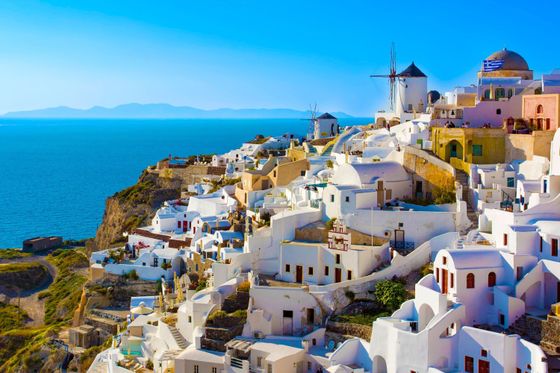
Athens is the obvious starting point: the Acropolis, the Parthenon, the buzzing Monastiraki neighborhood with its street food and open-air markets. But Greece really hits its stride once you reach the islands. Santorini delivers those iconic caldera views and sunsets that look straight off your lock screen. Mykonos is famous for its nightlife and beach clubs. Crete is the largest island and arguably the most diverse—ancient Minoan palaces, gorge hikes, and some of the best food in the country.
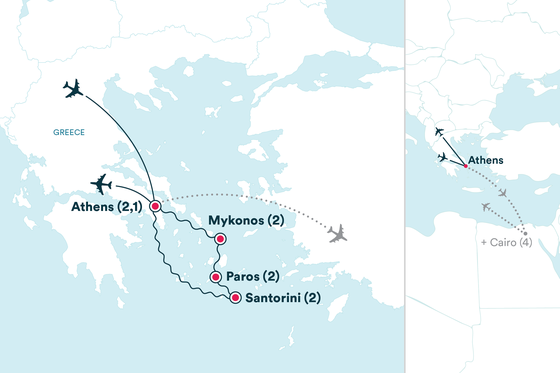
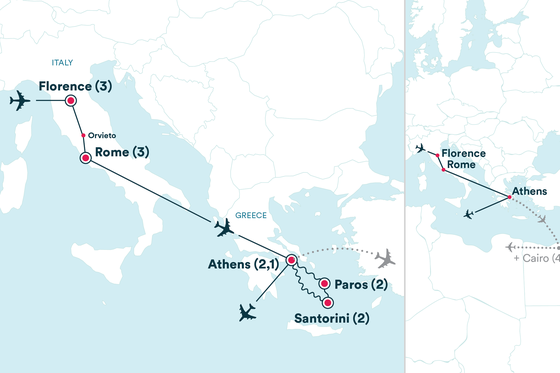
EF Ultimate Break’s Greece trips cover a lot of this ground. The Greek Islands tour hits Athens, Paros, Santorini, and Mykonos over 11 days—a solid way to get a real feel for the country without having to piece it all together yourself. There’s also the Italy & the Greek Islands tour for those who want to combine two European heavyweights in one go.

Porto's coast from the Douro River.
What is Portugal known for?
Portugal is small but mighty. Lisbon is one of Europe’s most livable and lovable cities: hilly, colorful, full of character, and incredibly affordable by Western European standards. Porto, in the north, is a bit grittier and more industrial in an approachable way, with its port wine cellars, dramatic bridges, and a food scene that’s been quietly earning serious attention.
Portugal is also where you’ll find some of Europe’s best beaches, particularly along the Algarve coast in the south, where dramatic limestone cliffs drop into golden sand and sea caves beg to be kayaked through. The country has a distinct identity: fado music, pastel de nata, tinned fish culture (get over it it’s delicious), and a laid-back energy that makes it easy to slow down and enjoy where you are.
EF Ultimate Break’s Portugal Getaway takes you through both Lisbon and Porto, giving you a taste of the country’s two very different urban personalities. There’s also the Spain & Portugal Getaway if you want to stack two countries in one trip, and the Portugal: Lagos Beaches, Vibrant Nightlife & Local Markets trip for a more immersive look at the country.

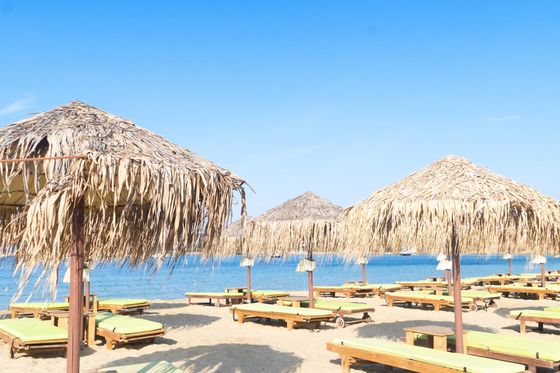
A black sand beach in Santorini (left) and a s‘cute cove in the Algarve.
Greece vs. Portugal for beaches
Both countries have incredible coastlines, but they feel completely different.
Greece is all about the Aegean and Ionian Seas—calm, warm, and that specific shade of blue that makes every photo look edited. The beaches on the islands tend to be smaller and more intimate, often tucked between cliffs or volcanic rock. Santorini’s black sand beaches are unlike anything else in Europe. Crete has a mix of everything, from busy resort beaches to remote coves you can only reach by boat.
Portugal’s beaches are more Atlantic, with bigger waves, wider stretches of sand, and a slightly wilder feel. The Algarve is the standout, with its golden cliffs, hidden grottos, and sea caves. If you’re a surfer or someone who loves dramatic coastal scenery, Portugal might edge ahead. If you want calm, clear water perfect for swimming and snorkeling, Greece wins.
Verdict: Greece for swimming and island-hopping vibes; Portugal for dramatic scenery and surf culture.

Greek feta salad (left) and Portugese bacalhau.
Greece vs. Portugal for food
Greek food is fresh, simple, and deeply satisfying. You’re looking at a lot of olive oil, grilled fish, mezze spreads, feta, and slow-cooked lamb. Eating in Greece is a social event, meaning meals are long, portions are generous, and the table tends to fill up with small plates before anyone’s really decided what they want. Souvlaki from a street stall is one of the great travel foods of the world. Full stop.
Portuguese food is underrated. Again, underrated. Lisbon and Porto have both developed serious food scenes in recent years, but the classics are what really stand out: bacalhau (salt cod prepared about a thousand different ways), fresh seafood, pasteis de nata (those custard tarts you’ll become obsessed with), and an incredible wine culture that doesn’t get nearly enough attention. Vinho Verde, port wine, and natural wines from the Alentejo region are all worth exploring.
Verdict: It’s genuinely a tie. Greek food is iconic and comforting; Portuguese food is surprising and layered. You can’t go wrong either way.

Nightlife in Athens (left) and Porto.
Greece vs. Portugal for nightlife
Greece has a well-earned reputation for nightlife, particularly on the islands. Mykonos is one of the most famous party destinations in Europe, with beach clubs that run into the early morning, international DJs, and a scene that doesn’t really get started until midnight. Santorini is more about sunset cocktails and rooftop bars than full-on clubs, which is its own kind of perfect. Athens has a thriving bar and club scene in neighborhoods like Gazi and Psiri, with a mix of rooftop bars and late-night spots.
Portugal’s nightlife is more low-key but no less fun. Lisbon’s Bairro Alto neighborhood is famous for its bar-hopping culture—small bars with open doors, people spilling out onto the street, and a casual energy that’s easy to fall into. Porto has a younger, more underground scene. Neither city is trying to compete with Mykonos, it’s more about good wine and good company than massive clubs.
Verdict: Greece for big nights out and island club culture; Portugal for laid-back bar-hopping and a more local feel.

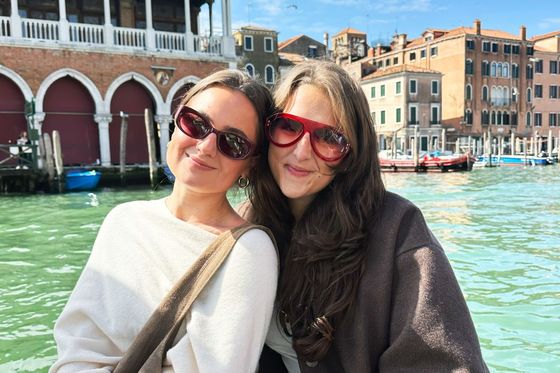
Travelers living their best lives in Athens and Lisbon (right).
Is Greece or Portugal better for first-time travelers?
Both are genuinely great options for first-timers, but for different reasons.
Greece is a bucket-list destination for a lot of people. If you want to check off a major travel milestone and experience something that feels genuinely iconic, Greece delivers. The islands are easy to fall in love with, the history is everywhere, and the vibe is warm and welcoming. The logistics of island-hopping can be a little complex to navigate solo, which is one reason why going with a group tour makes a lot of sense for first-timers.
Portugal is often described as one of the most accessible countries in Europe—English is widely spoken, the cities are easy to navigate, and the overall pace of travel is relaxed. It’s a great choice if you want to ease into international travel without feeling overwhelmed. Lisbon and Porto are both walkable, affordable, and packed with things to do. If you’re someone who prefers a city-focused trip over island-hopping, Portugal might be the better fit.
Verdict: Portugal for a more relaxed, city-focused first trip; Greece for a bucket-list island experience. Either way, going with EF Ultimate Break means the logistics are handled—hotels, transportation, guided experiences, and 24/7 support.

Snacking on Greek street food and listening to local fado music.
Which one is right for you?
Still not sure? Here’s a quick breakdown by travel personality:
You’re the history buff: Go to Greece. The Acropolis, ancient Delphi, the Palace of Knossos in Crete, there’s nowhere else in Europe with this density of ancient history.
You’re the foodie: Flip a coin. But if you love seafood, wine, and discovering underrated food cultures, Portugal might surprise you more.
You’re the beach lover: Greece for calm, clear water and island vibes; Portugal for dramatic cliffs and Atlantic energy. You’re the nightlife seeker: Greece, specifically Mykonos or Athens, if you want big nights out. Portugal if you prefer something more relaxed and local.
You’re the culture explorer: Both, but in different ways. Greece for ancient civilization and mythology; Portugal for fado music, maritime history, and a distinct national identity that’s easy to fall in love with.
You’re the first-time solo traveler: Portugal for its ease and accessibility; Greece for the iconic experience. Either way, traveling with a group tour means you’re never actually navigating it alone.
The bottom line: Greece and Portugal are both exceptional, and the differences between them are what make each one worth visiting. Greece is dramatic, ancient, and iconic. Portugal is warm, surprising, and deeply livable. The “right” choice really does come down to what you’re looking for in a trip.
The good news: EF Ultimate Break has trips to both, and they handle everything from accommodations and transportation to guided experiences and 24/7 support. So whether you’re island-hopping in the Aegean or tasting your way through Lisbon, you’re covered. All you have to do is decide eeek.
Key takeaways
Greece is ideal for ancient history lovers, island-hopping, crystal-clear swimming water, and big nightlife—especially on Mykonos and Santorini.
Portugal is a great fit for city-focused travelers, food and wine enthusiasts, beach lovers who want dramatic Atlantic scenery, and first-time international travelers looking for an accessible entry point to Europe.
For beaches, Greece wins on calm, warm water; Portugal wins on dramatic coastal scenery and surf culture.
Both countries have incredible food scenes—Greek cuisine is fresh and iconic, while Portuguese food is underrated and full of surprises.
Greece’s nightlife (especially on the islands) is louder and more club-focused; Portugal’s is more laid-back and bar-hopping-friendly.
EF Ultimate Break offers dedicated trips to both destinations, with all logistics handled—hotels, transportation, guided experiences, and 24/7 support included.
Can’t choose? The Ultimate Europe tour covers both countries and more in a single trip.
Know before you go
Your most-asked questions about choosing between Greece and Portugal.