Things to do in Kyoto that’ll make you stop and smell the matcha
Kyoto is the kind of city that makes you slow down—and once you do, you wonder how you’ll ever feel this zen again.

There’s a version of Japan that lives in your head before you go: neon lights, bullet trains, vending machines selling things you didn’t know you needed. And then there’s Kyoto. Kyoto is the other side of that coin. It’s where Japan keeps its soul—centuries of temples, shrines, bamboo forests, and a pace of life that feels genuinely different from anywhere else you’ve been.
It’s also, for the record, one of the most beautiful places on earth. So, if you’re planning a trip to Japan and wondering what to actually do in Kyoto, here’s your guide—from the iconic to the unexpected, from the trails to the tea houses.

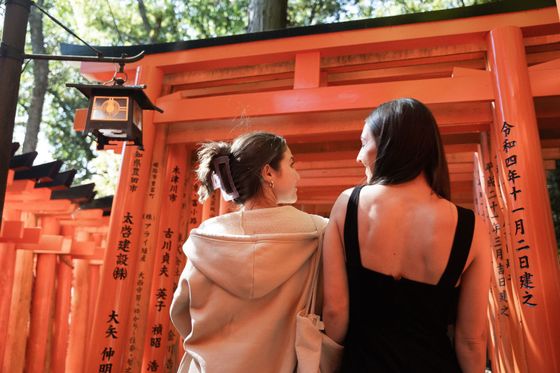
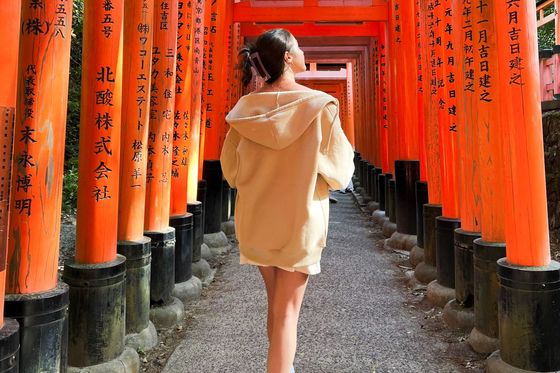
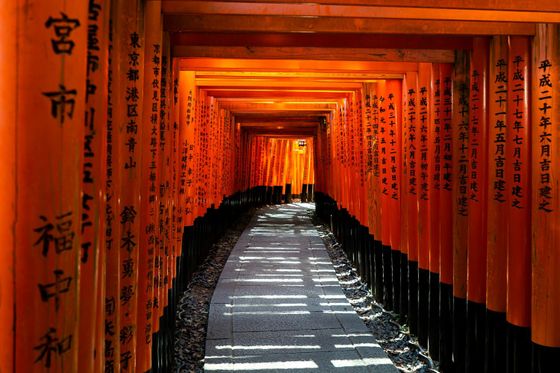
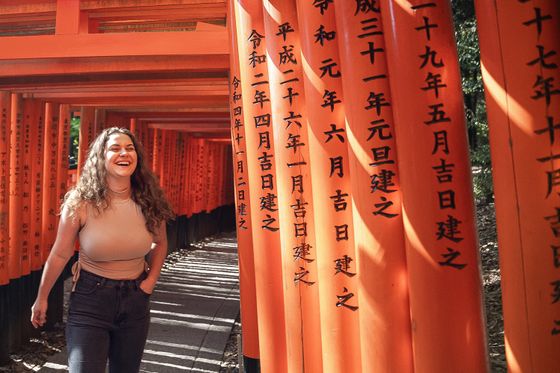
Hiking through the bright torii gates of Fushimi Inari Shrine
Walk through 10,000 torii gates at Fushimi Inari Shrine
If there’s one thing you do in Kyoto, make it this. Fushimi Inari Shrine is dedicated to Inari, the Shinto god of rice and good fortune, and it’s famous for its seemingly endless tunnel of vermillion torii gates that wind up the sacred mountain behind the main shrine. There are roughly 10,000 of them. Walking through feels like stepping into a different world—the light filters through in streaks, the gates glow orange, and the further up you go, the quieter it gets.
The full hike to the summit of Mount Inari takes about two to three hours round trip, but you don’t have to go all the way to the top to feel the magic. Even the first 30 minutes are worth it. Along the path, you’ll spot fox statues everywhere—Inari’s sacred messengers—and small sub-shrines tucked into the hillside. Go early in the morning to beat the crowds and wear comfortable shoes because the terrain gets steep.
One important note if you’re visiting with EF Ultimate Break: foot traffic through the Fushimi Inari Shrine flows in one direction, so once you enter, you’ll need to complete the walk. It’s not a loop you can reverse out of, which honestly just means you have to commit—and that’s kind of the point.

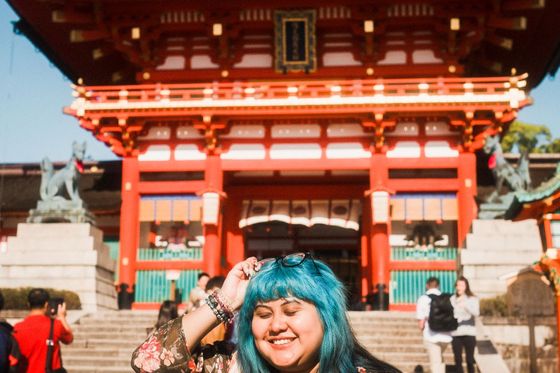
Taking in the golden glow of Kinkaku-ji (The Golden Pavilion) in Kyoto
See Kinkaku-ji, the Golden Pavilion
There are a lot of temples in Kyoto (over 1,600 Buddhist temples and 400 Shinto shrines, to be exact), but Kinkaku-ji is the one that stops you in your tracks. The top two floors of this Zen Buddhist temple are literally covered in gold leaf, and it sits right on the edge of a reflecting pond, which means on a clear day you get the whole thing twice—once in real life and once in the water below.
It’s one of the most photographed places in Japan, and when you see it in person, you’ll understand why. No photo really does it justice. The gold catches the light differently depending on the time of day and the season, and the surrounding garden is immaculate. It’s the kind of place that makes you stand still and just look.

Walking beneath the towering bamboo stalks of Arashiyama
Wander the Arashiyama Bamboo Grove
The Arashiyama Bamboo Grove is one of those places that looks like it was designed for a movie set—and yet it’s completely real. Towering stalks of bamboo line the path on both sides, creating a canopy that filters the light into something soft and green. The sound is different here too. When the wind moves through, the bamboo creaks and sways in a way that’s almost meditative.
Arashiyama is a whole neighborhood worth exploring, not just the grove. There’s the Tenryu-ji temple and its stunning garden, the Togetsukyo Bridge over the Oi River, and a handful of small shops and cafés along the main street. And yes, there are monkeys. The Iwatayama Monkey Park is a short hike up from the river, and the view from the top is worth the climb.

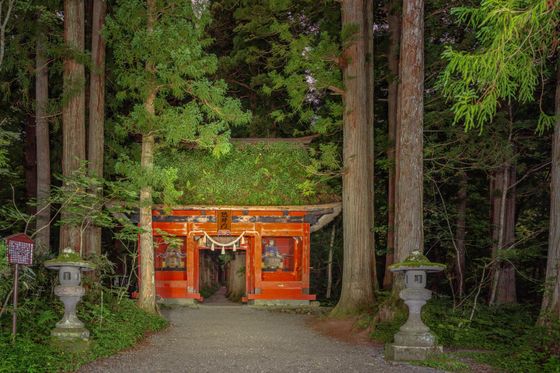
Recharging in a quiet Kyoto forest walkway
Go forest bathing in Japan
You may have heard of shinrin-yoku—it translates to “forest bathing,” and it’s been a part of Japanese culture since the 1980s. The idea is simple: you spend time in a forest, not to exercise or reach a destination, but just to be in it. You walk slowly. You breathe. You pay attention to what’s around you. Research has shown that time in nature lowers cortisol levels, reduces blood pressure, and improves mood. Japan, which has made this a national health practice, takes it seriously.
Kyoto is one of the best places in the world to experience this. The city is surrounded by forested mountains, and many of its most famous sites—Fushimi Inari, Arashiyama, the trails around Kurama—are essentially forest bathing destinations whether you frame them that way or not. The difference is intentionality. Instead of rushing from gate to gate or checking your phone, try slowing all the way down. Leave the earbuds out. Notice the way the light comes through the trees. Let the walk be the point.
The Arashiyama Bamboo Grove is a natural place to practice this, but so is any of the quieter temple gardens in the city. Kyoto has a way of rewarding the people who aren’t in a hurry.
Hike in and around Kyoto
The Fushimi Inari hike is the most famous, and for good reason. The full trail to the summit of Mount Inari is about 4 kilometers each way, with a significant elevation gain as you go. The torii gates thin out the higher you climb, and the upper sections of the trail are quieter and more forested. If you make it to the top, you’ll have panoramic views of Kyoto and Osaka on a clear day.
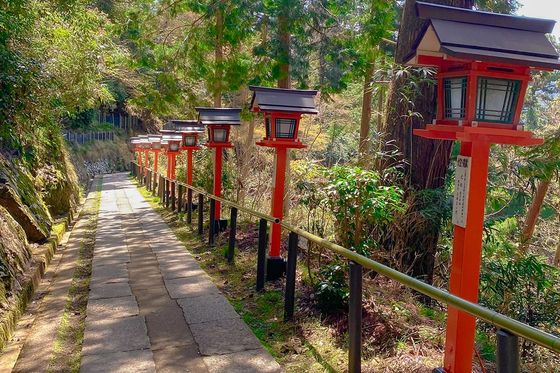
The Kurama to Kibune trail is another favorite. It connects two small mountain villages north of Kyoto through a forested ridge, and the whole hike takes about two hours. Kurama is home to a beautiful temple complex, and Kibune is known for its riverside restaurants where you can eat on platforms built over a stream in the summer. The trail itself passes through cedar forest and is genuinely peaceful—it’s the kind of hike where you might not see another person for long stretches.
The Daimonji trail on Mount Daimonji is shorter and steeper, but the payoff is one of the best views of Kyoto you’ll find anywhere. The summit is marked by a large character (大, meaning “great”) that’s set on fire every August during the Obon festival. Outside of that, it’s a quiet trail with a big reward at the top.

Participating in a traditional tea ceremony in Kyoto
Have a traditional tea ceremony
This one is worth doing at least once. A traditional Japanese tea ceremony (chado) is less about the tea and more about the ritual—every movement is intentional, every gesture has meaning, and the whole experience is designed to bring you into the present moment. You’ll be served matcha and wagashi (Japanese sweets), and a host will walk you through the ceremony’s history and etiquette.
It sounds formal, but it’s not intimidating. It’s actually one of the most calming things you can do in a city full of things to do. EF Ultimate Break offers a traditional tea ceremony in Kyoto as an optional add-on, and it’s one of those experiences that travelers consistently say was a highlight of their trip.

Sampling street-food favorites at Nishiki Market in Kyoto
Explore Nishiki Market
If you want to eat your way through Kyoto, Nishiki Market is where to start. This narrow, five-block covered shopping street has more than 100 shops and food stalls and is affectionately known as “Kyoto’s kitchen.” You’ll find pickled vegetables, fresh tofu, grilled skewers, matcha everything, and plenty of things you won’t be able to identify but will want to try anyway. It’s busy and a little chaotic in the best way, and it’s a great place to pick up edible souvenirs or just wander and snack.

Strolling through the historic streets of Gion in Kyoto
Wander the Gion District at sunset
Gion is Kyoto’s famous geisha district, and it’s one of those neighborhoods that feels like it belongs to a different century. The streets are lined with traditional wooden machiya townhouses, lanterns glow in the early evening, and tea houses sit behind bamboo fences and sliding paper screens. If you walk through around sunset, you have the best chance of spotting a maiko (a geisha in training) moving between appointments. It’s not guaranteed, but it happens—and when it does, it’s one of those quiet, unexpected moments that you’ll think about long after you get home.
Experiencing Kyoto with EF Ultimate Break
Kyoto is the kind of city that rewards slow exploration, and EF Ultimate Break’s Highlights of Japan itinerary gives you real time to do that. You’ll arrive in Kyoto by bullet train from Hakone, visit Kiyomizu-dera Temple (perched on a hillside since 778 CE) and Kinkaku-ji on your first day in the city, and then spend the following days between the Fushimi Inari shrine walk, free time to explore on your own, and optional add-ons like the tea ceremony and hiking trip.
Your Tour Director knows the city well—they can point you toward hidden temples and gardens beyond the famous ones, tell you where to find the best matcha treats and wagashi, and help you figure out how to make the most of your free time based on what you actually want to do. That’s the difference between having a guide and having a good guide.
Kyoto doesn’t ask much of you. Just show up, slow down, and pay attention. The city will do the rest.
Key takeaways
- Kyoto is home to over 1,600 Buddhist temples and 400 Shinto shrines, making it Japan’s cultural heartland and one of the most historically rich destinations in the world.
- The Fushimi Inari Shrine, with its tunnel of 10,000 vermillion torii gates winding up Mount Inari, is a must-do—go early in the morning to experience it with fewer crowds.
- Kyoto is one of the best places in the world to practice shinrin-yoku (forest bathing), a Japanese tradition of spending intentional, unhurried time in nature for its proven mental and physical health benefits.
- The hiking around Kyoto ranges from accessible to challenging, with trails like the Fushimi Inari hike, the Kurama to Kibune trail, and the Daimonji summit all offering rewarding views and genuine time in the forest.
- EF Ultimate Break’s Highlights of Japan tour includes Kyoto as a multi-day stop, with optional add-ons like a traditional tea ceremony and a guided hiking trip from Kyoto to help you go deeper into the city’s culture and landscape.
Know before you go
Your most-asked questions about visiting Kyoto.