Why Shoulder Season Is the Best-Kept Secret in Travel
Skip the crowds, save some cash, and actually enjoy the places you came to experience.

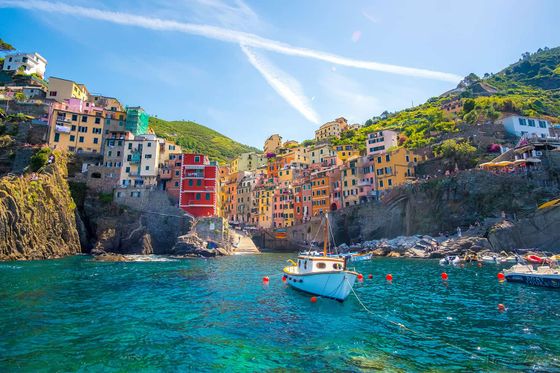
Here’s a travel truth nobody puts on a postcard: peak season is kind of a scam. You pay more, wait longer, and share every “once-in-a-lifetime” moment with approximately 3,000 other people who had the exact same idea. The Eiffel Tower at sunset in July? Beautiful. Also, absolutely packed. The Amalfi Coast in August? Stunning. Also, boiling hot and elbow-to-elbow.
Enter shoulder season—the stretch of weeks just before and just after peak summer travel (think April through early June, and September through October)—when the weather is still great, the prices drop, and the crowds thin out enough that you can actually breathe. If you’ve been asking yourself where should I travel for fewer crowds, the answer is almost anywhere, as long as you go at the right time.
Here’s a look at some of the best places to travel in shoulder season, with a focus on EF Ultimate Break destinations that genuinely shine when the masses have gone home.

The immaculate vibes of Paris, France.
Europe in spring and fall: the sweet spot
Europe is the obvious starting point for shoulder season travel, and for good reason. The continent’s most popular destinations, like Rome, Paris, Barcelona, and Athens, are all dramatically more enjoyable when you’re not fighting for a table at every restaurant or waiting an hour to get that photo.

In Italy, the food's not the only thing that's iconic.
Italy
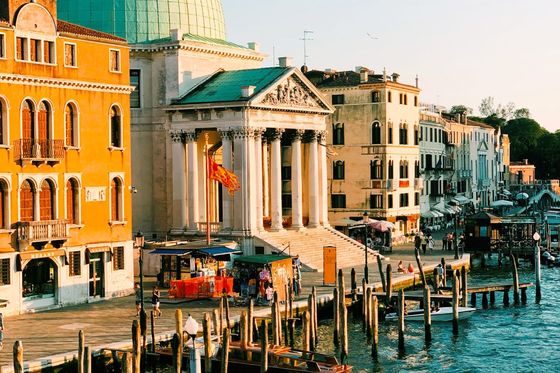
Spring in Italy (April through May) might be the most underrated travel window on the planet. The temperatures are mild, the wildflowers are out, and the gelato lines are actually manageable. In Rome, you can stand in front of the Colosseum without the full summer crush. In Venice, the canals are still magical, but you can walk the bridges without bumping into someone’s selfie stick every five seconds.
EF Ultimate Break’s Rome, Paris & London trip and Venice, Florence & Rome tour both hit Italy as a centerpiece, and doing either in the spring or early fall means you get the iconic experiences without the peak-season chaos. The Trevi Fountain still delivers. The pasta is still incredible. You’ll just actually be able to enjoy it.

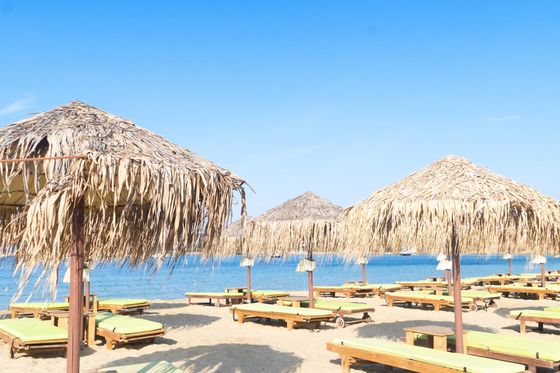
It's not a fantasy land, it's the Greek Islands.
Greece
September and October are arguably the best months to visit Greece. The sea is warm (it holds heat from the summer), the tourist traffic has thinned, and the light is that golden, cinematic kind that makes every photo look like it was shot on film. Athens in the shoulder season is a completely different city. Yes, the Acropolis is still breathtaking and it earns bonus points for it not being a trillion degrees on Sacred Rock.
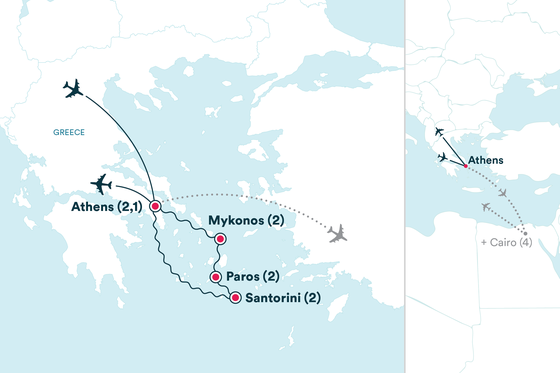
EF Ultimate Break’s The Greek Islands and Rome, the Amalfi Coast & Greece trips are perfect for this window. You get the beauty of the islands and the history of Athens without the August madness.

The hills are steep and the treats are sweet in Lisbon.
Portugal
Lisbon and Porto are two of Europe’s most beloved cities, and they’ve gotten increasingly popular over the last few years. The good news: shoulder season brings them back down to earth. In April, May, or October, you can wander Lisbon’s hilly neighborhoods, ride the famous trams, and explore the city’s incredible food scene (yes, including the tinned fish) without the summer surge. The weather is still warm and sunny, just not scorching.

Everything feels unplanned in Barcelona.
Spain
Barcelona in June before the summer peak, or in September just after it, is a completely different experience than Barcelona in July or August. The beaches are still swimmable, the architecture is still jaw-dropping, and you can actually get a table at a tapas bar without a two-hour wait. EF Ultimate Break’s Madrid to Barcelona itinerary hits the country’s highlights, and visiting in shoulder season means you get the full experience without the full-season price tag.

Prague just might be Eastern Europe's crown jewel.
Eastern Europe
Prague, Budapest, and Krakow are some of the best destinations to visit before or after peak summer. These cities are stunning year-round, but spring and fall bring a quieter, more local energy that’s hard to find in July. Budapest’s thermal baths feel more like a local ritual and less like a tourist attraction and Prague’s Charles Bridge is uber walkable.
EF Ultimate Break’s Highlights of Eastern Europe trip is built around rich history, incredible food, and cities that reward slow exploration. Shoulder season just gives you more room to do it right.

Iceland's not another planet, it just looks that way.
Beyond Europe: shoulder season destinations worth the flight
Europe might get top billing, but it's far from the only place that rewards shoulder season timing. From volcanic landscapes to cherry-blossomed hillsides, these destinations are worth the longer flight — and even better when you're not sharing them with peak-season crowds.

Iceland's natural beauty is almost impossible to beat.
Iceland
Iceland doesn’t really have a “peak” season the way Mediterranean destinations do, but late August through September is a particularly magical window. The summer crowds have started to thin, the landscape is still lush and green, and the aurora borealis starts to make its return. You get the best of both worlds: dramatic daylight landscapes and the possibility of catching the northern lights. EF Ultimate Break’s Iceland Winter Escape runs in the colder months, but if Iceland is on your radar, the late-summer shoulder window is worth knowing about.

Cherry blossom season is peak Japan.
Japan
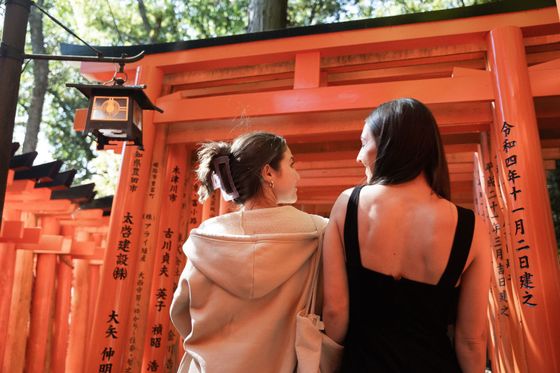
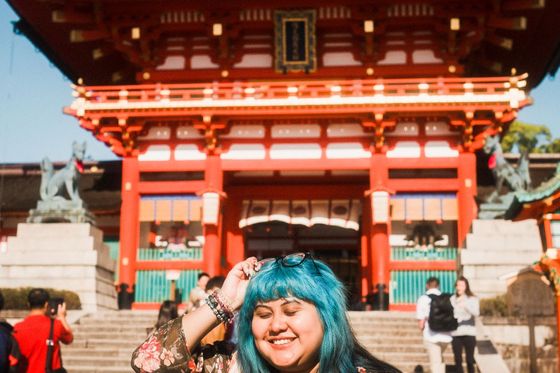
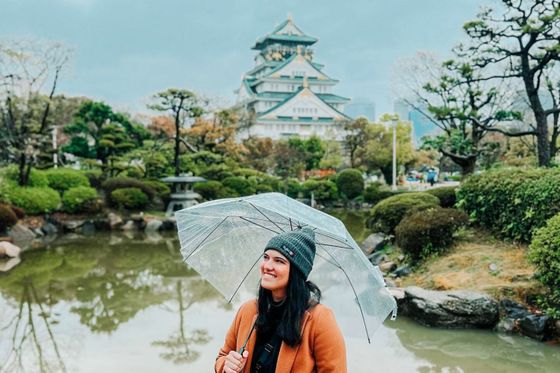
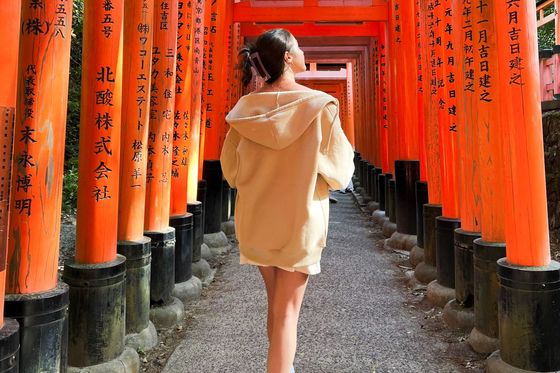
Japan in spring (cherry blossom season) and fall (autumn foliage) is technically peak season within Japan, but it’s still far less crowded than European summer hotspots, and the experience is worth every bit of the hype. The shoulder weeks just before or after peak bloom and peak foliage are often the sweet spot: prices are slightly lower, the colors are still incredible, and you’re not competing with every tourist in the country for the same photo spot.
Why shoulder season makes sense
Beyond the crowds, there are a few practical reasons shoulder season travel is worth considering:
Lower prices. Flights and hotels both tend to cost less outside of peak summer. That savings adds up fast.
Better weather than you’d expect. Spring and fall in most of Europe are genuinely lovely, warm enough to enjoy outdoor dining and sightseeing, cool enough that you’re not miserable.
More authentic experiences. When a destination isn’t overrun with tourists, you get a better sense of what it’s actually like to live there. Local restaurants are easier to get into. The vibe is more relaxed.
Less planning stress. Booking popular restaurants, tours, and experiences is just easier when you’re not competing with peak-season demand.
EF Ultimate Break runs trips year-round, which means you can take advantage of shoulder season without sacrificing any of the things that make group travel great, like expertly planned itineraries, included hotels and flights, a built-in group of travel friends, and 24/7 support if anything comes up. The logistics are handled. You just get to show up and enjoy the destination at its best.
If you’ve been waiting for the “right time” to book that Europe trip, consider this your sign. The right time might just be before everyone else gets there.
Key takeaways
Shoulder season—generally April through early June and September through October—offers the best balance of good weather, manageable crowds, and lower prices at most popular destinations.
Europe’s most iconic cities (Rome, Barcelona, Prague, Athens, Lisbon) are dramatically more enjoyable outside of peak summer, with shorter lines, easier restaurant reservations, and a more local atmosphere.
Greece is particularly spectacular in September and October, when the sea is still warm but the summer crowds have thinned.
Eastern European destinations like Budapest, Prague, and Krakow shine in shoulder season. The cities feel more authentic and less tourist-saturated.
EF Ultimate Break runs trips year-round, so you can experience your dream destination in shoulder season without giving up any of the convenience of fully planned group travel.
Know before you go
Your most-asked questions about some of the world’s best festivals.