Traveling to Egypt with EF Ultimate Break
Egypt should 10000% be on your bucket list
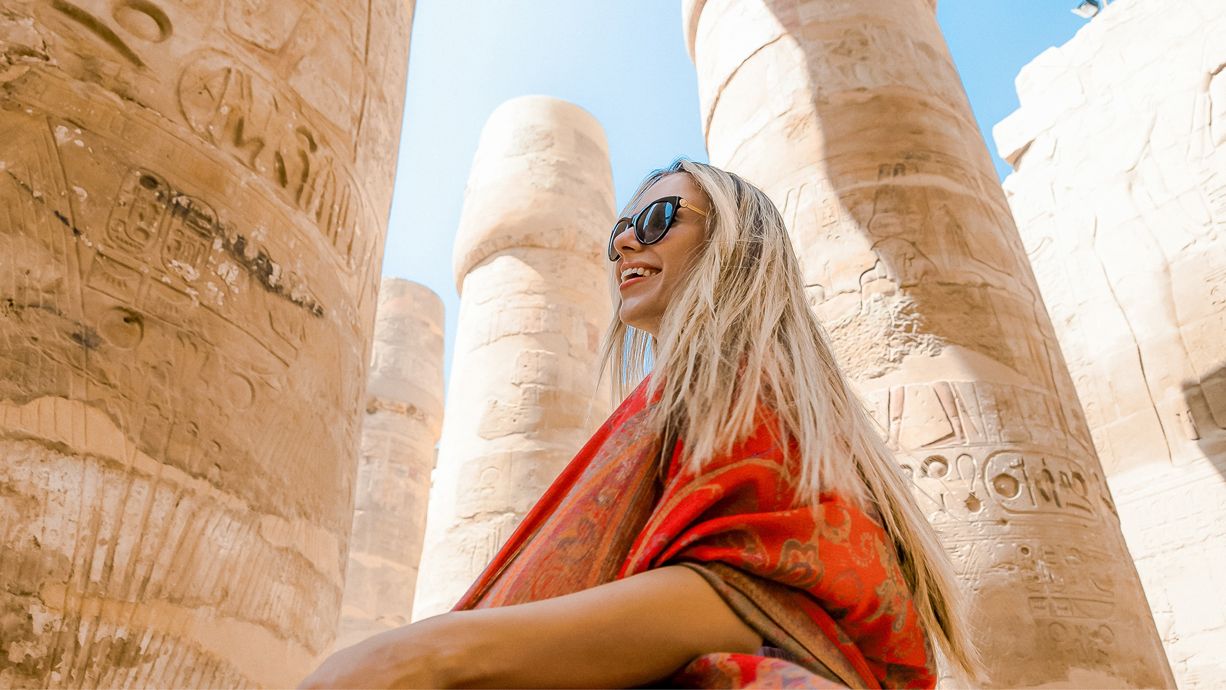
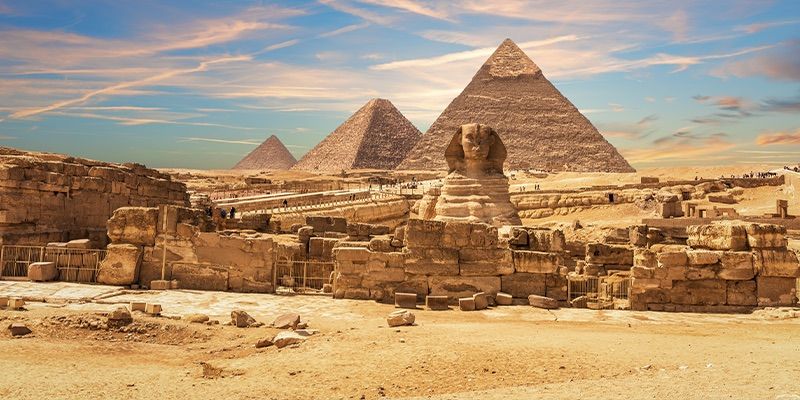
- Ancient wonders: Home to the only surviving Ancient Wonder of the World and more ancient Egypt attractions than you can explore in one trip, Egypt delivers history on a scale that’s hard to wrap your head around. The pyramids of Giza tour alone justifies the flight.
- Culture trip: What makes Egypt special isn’t just the monuments—it’s the Egyptian bazaar shopping at Khan el Khalili market, the call to prayer echoing through Cairo, and the Nile River cruise Egypt experience that connects you to civilizations that thrived thousands of years before TikTok existed.
- Seriously affordable: Is Egypt worth the money? Absolutely. While other bucket-list destinations drain your savings, Egypt delivers world-class experiences, must try Egyptian food, and unforgettable adventures without the premium price tag. The benefits of traveling to Egypt include incredible value that lets you do more, see more, and stress less about your budget.
- Beyond the history books: Best things to do in Egypt go way beyond ancient temples. Hot air balloon Luxor rides at sunrise, Red Sea diving Egypt adventures, Egypt desert safari experiences, and vibrant Cairo nightlife prove there’s something here for every type of traveler—whether you’re a history nerd or an adrenaline junkie.
- Year-round destination: When to visit Egypt depends on what you’re into. The best time to go to Egypt is October through April for comfortable temps, but even Egypt in summer offers early morning pyramids visits and budget-friendly prices. Shoulder season Egypt (September and May) gives you the sweet spot of decent weather and fewer crowds.
- Perfect for group travel: Is Egypt good for first-time travelers? Yes. What to expect in Egypt: expertly guided tours, shared cultural experiences, and the kind of “did that really just happen?” moments that bond you with your travel crew for life.

Language
Arabic is Egypt’s official language, with Egyptian Arabic being the most widely spoken dialect in the country. While many people in touristy areas speak English—especially guides, hotel staff, and vendors—learning a few Arabic phrases will enhance your Egypt culture experience and earn you smiles from locals.

Currency & tipping culture
Egypt uses the Egyptian Pound (EGP or LE), and while credit cards are accepted at hotels and larger restaurants, cash rules mostly everything around you—especially in markets, Egyptian street food guide spots, and for tipping in Egypt restaurants. Tipping is also deeply embedded in Egyptian culture and expected for most services.
- Egypt uses the Egyptian Pound (EGP or LE).
- Banknotes: LE 1, 5, 10, 20, 50, 100, 200. Coins: 25 and 50 piastres, LE 1.
- Credit cards are accepted at hotels and upscale restaurants, but carry cash for Khan el Khalili market and street vendors.
- ATMs are common in cities—watch for withdrawal fees and notify your bank before traveling. Exchange rates fluctuate, so check current rates. Airport exchanges often have higher fees.
Tipping guidelines:
- Restaurants: 10–15% if service charge isn’t included.
- Cafés: Small change or rounding up.
- Taxis: Round up to the nearest 5–10 LE.
- Hotels: LE 20–30 per bag for porters; LE 20–40 per day for housekeeping.
- Local guides: LE 100–200 per person for a full-day Egyptian pyramids tour or Karnak Temple complex visit.
- Bathroom attendants: LE 2–5.
- General services Even small services (opening a door, helping with directions) may expect LE 5–10.
Transportation
Egypt’s transportation network connects major cities and top attractions in Egypt, though the experience varies from modern metros to more adventurous options. In Cairo, the metro is efficient and incredibly cheap, while taxis and ride-sharing apps offer flexibility.

Cairo’s metro is clean, air-conditioned, and inexpensive. Buses connect major areas but can be crowded and confusing for first-time travelers.

Many Cairo neighborhoods and historical sites are best explored on foot, though traffic can be chaotic—cross streets with confidence and follow the locals’ lead.

Uber and Careem work well in Cairo and major cities. Traditional taxis are everywhere—agree on a price before starting or insist on using the meter to avoid scams.

Connecting Cairo with Alexandria day trip destinations, Luxor, and Aswan. Sleeper trains offer overnight options for longer journeys.

Quick and affordable for traveling between Cairo, Luxor, Aswan, and coastal cities for Red Sea diving Egypt adventures.

A relaxing way to travel between Luxor and Aswan while visiting temples along the river. Best Nile cruises operate year-round with peak comfort during shoulder season Egypt.

Egypt’s iconic destinations
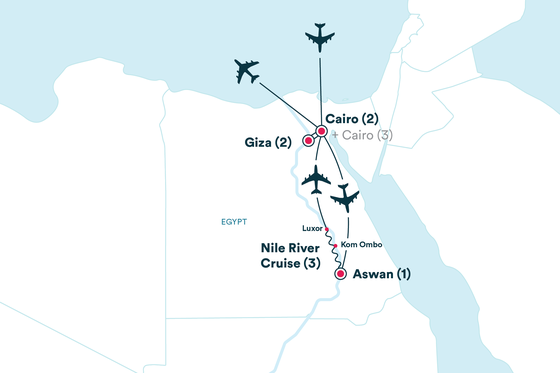
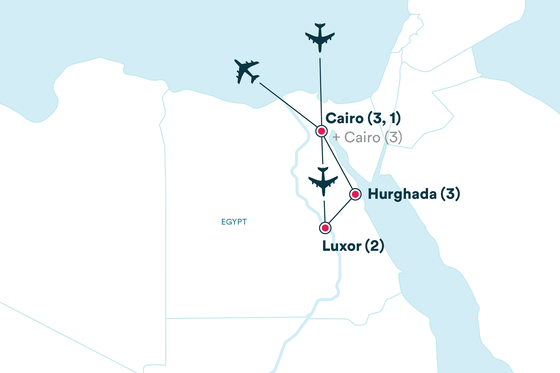
From chaotic Cairo to the luxe Red Sea coast, Egypt has no shortage of incredible spots.


Can’t-miss Egyptian experiences
Pyramids of Giza tour
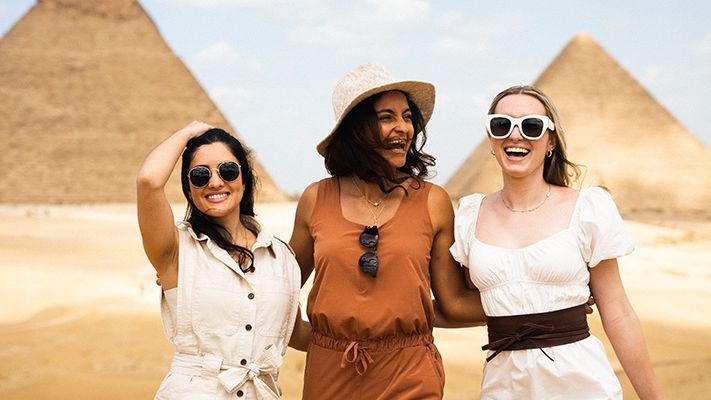
No photo can prepare you for the feeling of standing in the shadow of one of humanity’s wildest achievements. All Ultimate Break Egypt trips include a tour of the pyramid complex, including the Sphinx.
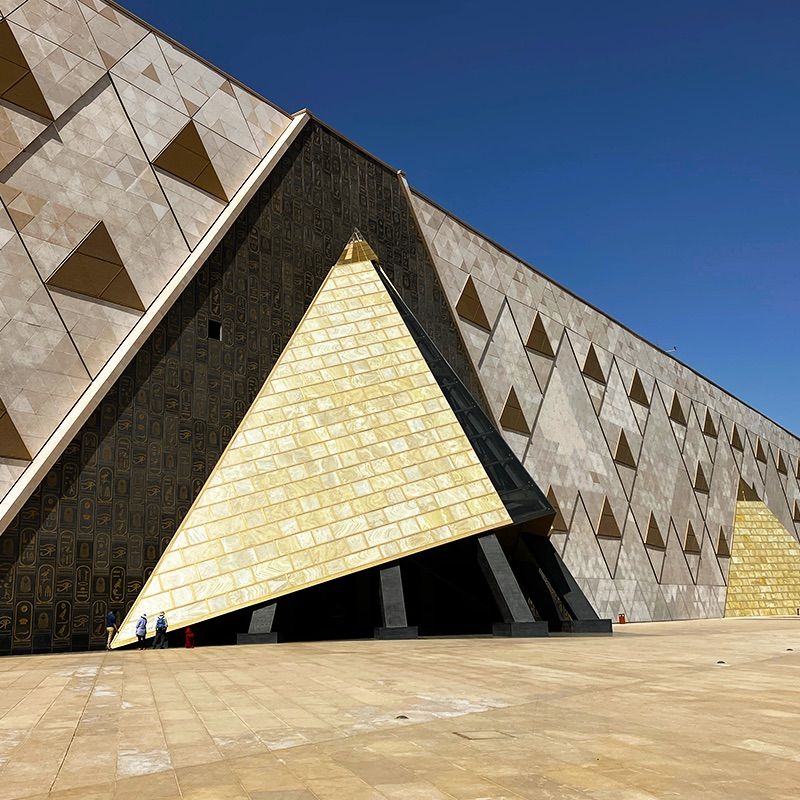
Wander the Grand Egyptian Museum
Dive deep into ancient Egypt attractions at Cairo’s brand-new Grand Egyptian Museum, home to over 120,000 artifacts including the mummy and golden mask of King Tutankhamun.
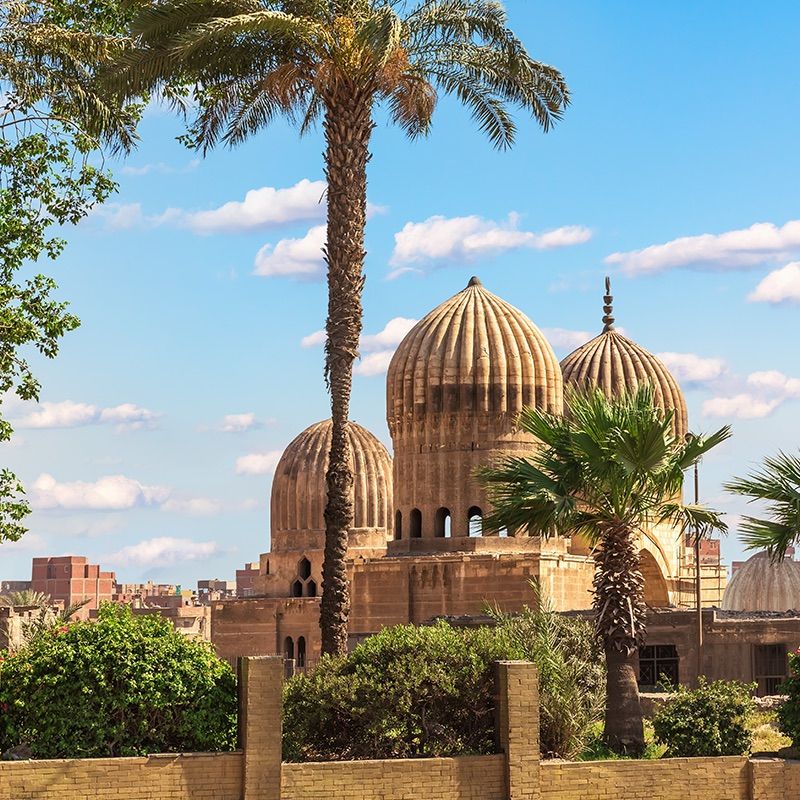
Explore Old Cairo
Dive into the bustle of Cairo, where you’ll experience stunning Islamic architecture, rooftop cafes, vibrant nightlife, and some of the best restaurants serving authentic Egyptian cuisine.
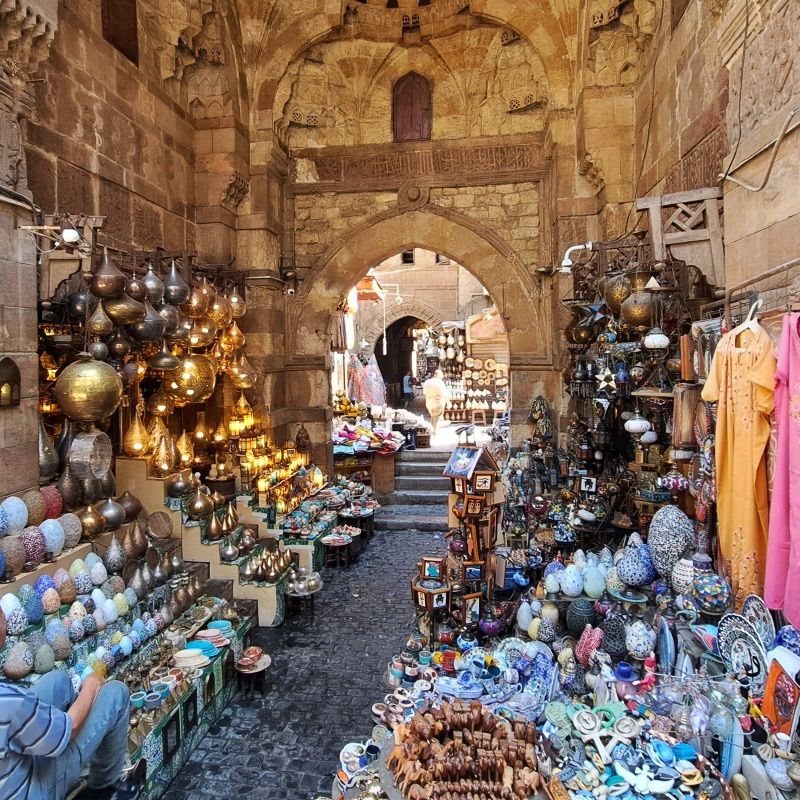
Get lost in Khan el Khalili Market
Stroll through the maze of this famous Egyptian bazaar, where vendors sell everything from spices and textiles to handcrafted jewelry and traditional lanterns. Get ready to haggle!
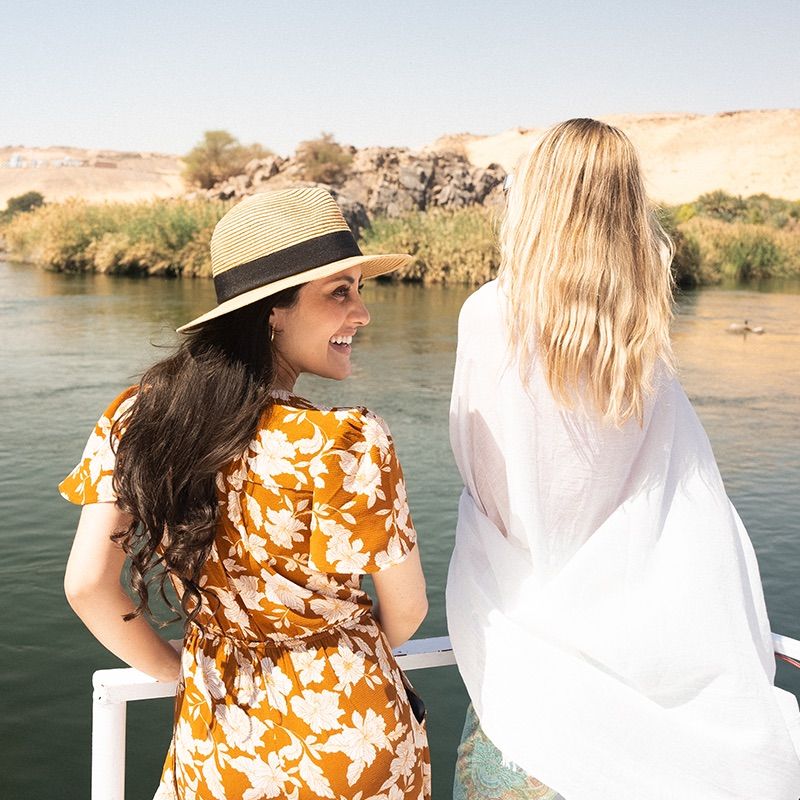
Cruise the Nile River
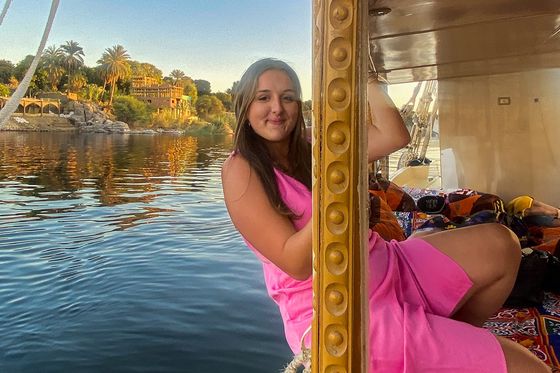
Float down the world’s longest river, stop to see ancient temples, chill on the sunny deck, and watch life unfold along the riverbank on a Nile River cruise.
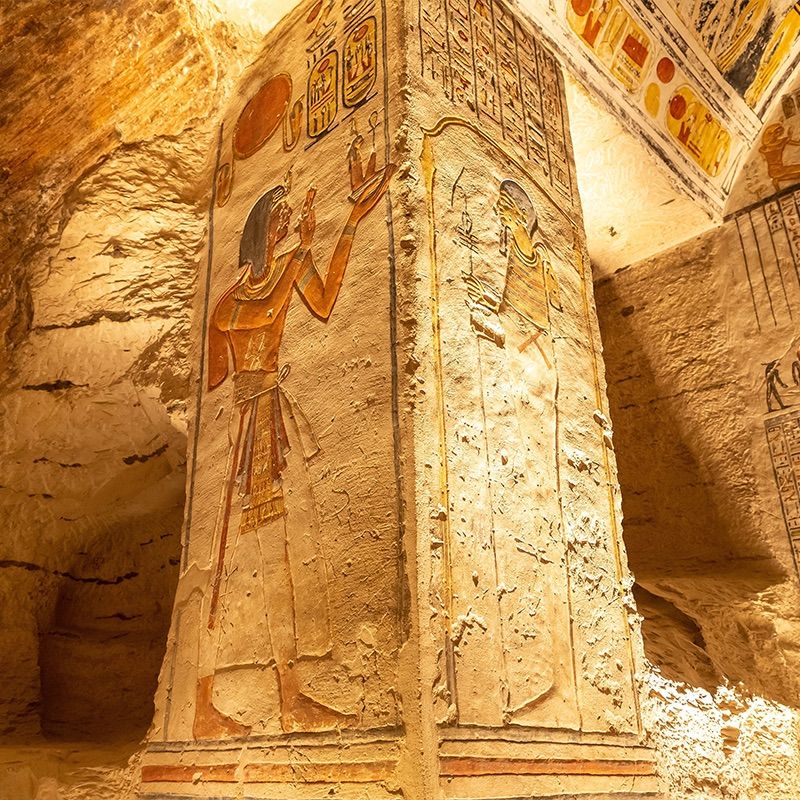
Visit the Valley of the Kings
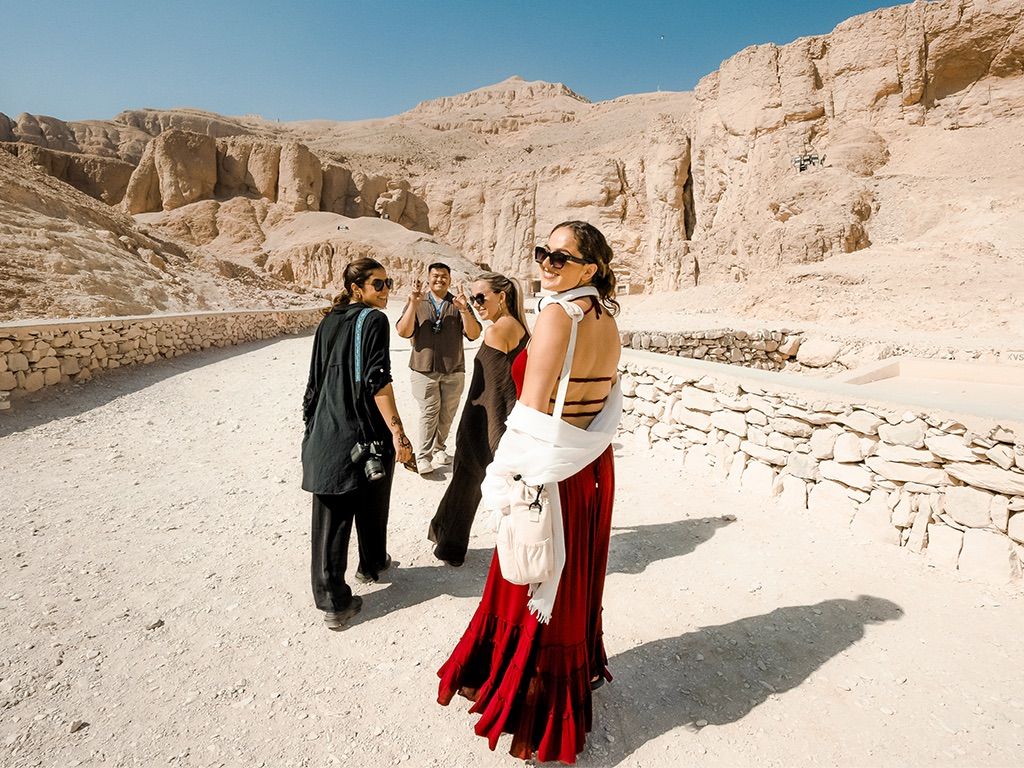
Venture into the underground tombs where pharaohs were laid to rest thousands of years ago. The intricate hieroglyphics and preserved colors are truly mind-blowing.
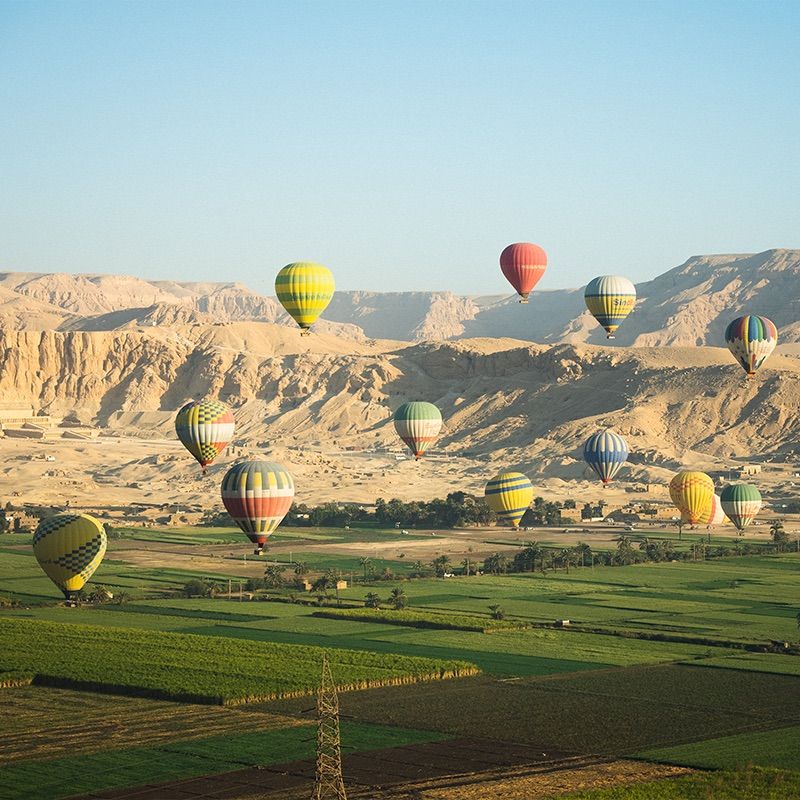
Float high over Luxor
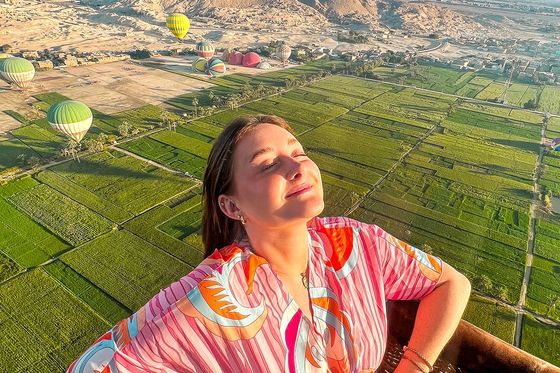
Step into your hot-air ballon and drift above the Valley of the Kings at sunrise for breathtaking views of ancient temples and the Nile and a perspective on the landscape you can’t get anywhere else.
What’s the weather like in Egypt?
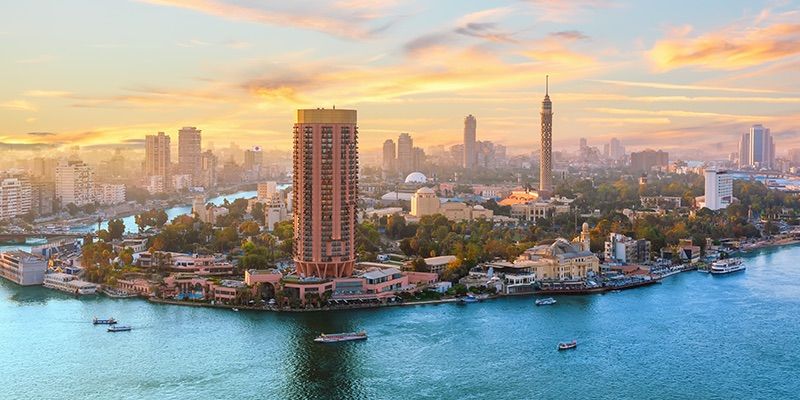
October–April
Best overall travel window: Mild to warm temperatures, perfect for exploring outdoor sites without the intense heat. This is Egypt peak season for tourism, especially around the pyramids and Luxor, so expect more crowds but also the most comfortable weather for sightseeing.
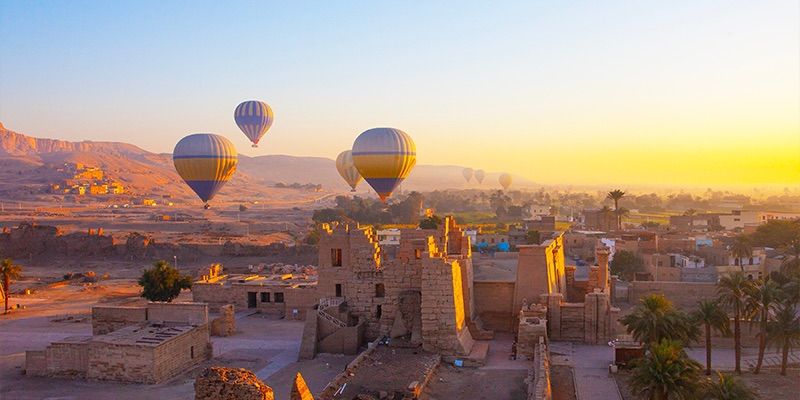
November–February
Ideal for comfort: Cooler temperatures make this the most pleasant time for extensive walking tours and desert excursions. Egypt weather by month varies, but winter offers the best conditions for all-day exploration. Nights can be chilly, especially in desert areas, so pack layers.
May–September
How hot is Egypt in summer? Very. Summer brings intense heat, particularly in southern Egypt and desert regions. However, this is the worst time to visit Egypt for heat-sensitive travelers but the best for budget-conscious ones.
When is the cheapest time to visit Egypt?
If you’re looking to experience Egypt without peak-season prices, timing is everything. Here’s when you’ll find the best value.
What to eat in Egypt?
Egyptian food is often plant-based and vegetarian friendly, with a lot of dishes heavy on beans, lentils, chickpeas, and vegetables, but there’s more to Egyptian food than falafel and hummus (although those are really delicious, too).
Safety in Egypt
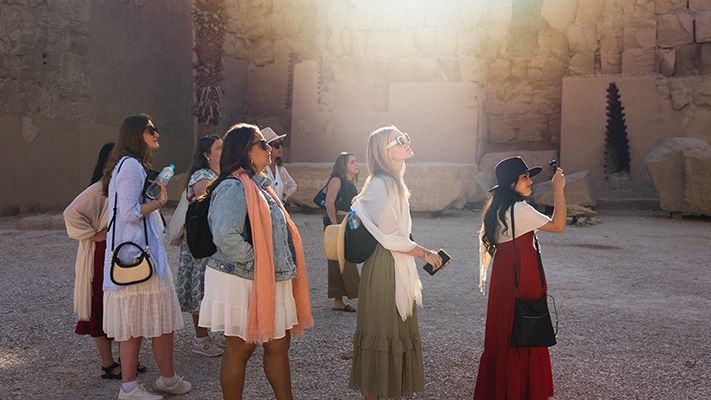
Egypt is generally safe for tourists, especially in major tourist areas where security is visible and well-maintained. Millions of visitors explore Egypt’s ancient sites, cities, and markets each year without incident. The Egyptian government prioritizes tourist safety, and you’ll notice Egypt tourist police at major attractions and hotels.
Like any destination, staying aware of your surroundings is important. Egypt scams to avoid include overpriced taxi rides (use Uber), pushy vendors at tourist sites, and unofficial “guides.” Keep valuables secure in crowded markets. At night, safe areas in Cairo like Zamalek, Maadi, and downtown tourist zones are generally fine for evening strolls, especially in groups. Use common sense and stick to well-lit, populated areas.
Trust your instincts, stay alert in busy areas, and you’ll have a safe and incredible experience exploring everything Egypt has to offer.
Your safety is our top priority
Traveling with EF Ultimate Break means you’re not exploring Egypt alone—you’ve got a full support system making sure you feel comfortable, informed, and protected every step of the way.
Traveler photos from Egypt
Egypt travel reviews
Our travelers loooove visiting Egypt.